Stocks slightly lower after selloff, global yields hit fresh highs
US yields have climbed over the past month as investors grapple with rising rate expectations, heavy debt issuance, solid economic growth and worries about the long-term fiscal outlook.
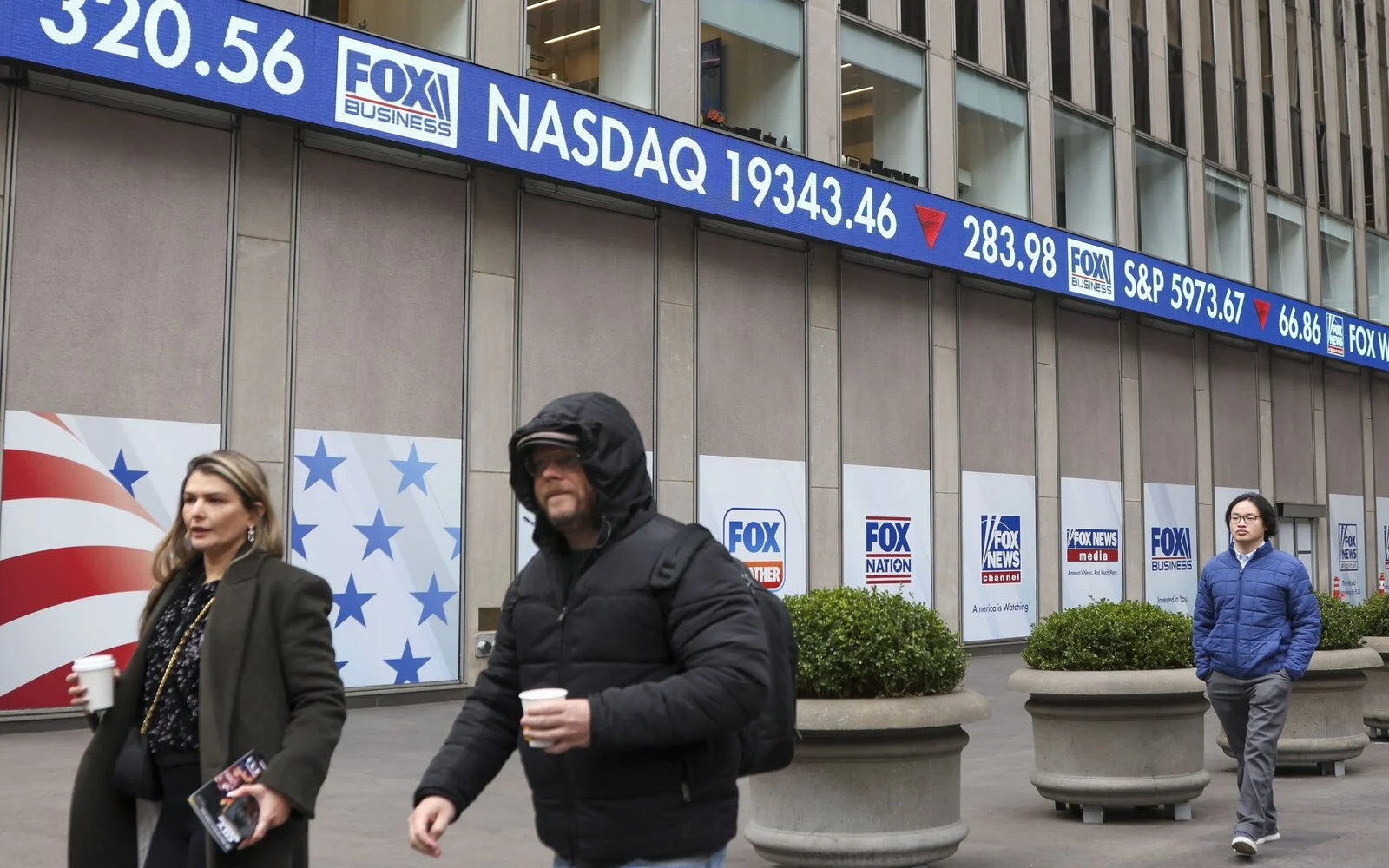
US stocks dipped marginally on Tuesday, following the declines from the prior trading day, as global bond yields reached their most elevated levels since 2007. Investors expressed apprehension that surging oil prices, exceeding $100 per barrel, could exacerbate the energy crisis. Over the past month, US Treasury yields have climbed due to heightened rate expectations, intense debt issuance, robust economic expansion, and concerns about the nation's long-term fiscal trajectory.
Market attention has shifted towards the Federal Reserve, with expectations of a quarter-point rate increase and warnings of forthcoming policy tightening, though Federal Reserve Chair Kevin Warsh remains noncommittal about future rate directions.
The MSCI's global stocks index dropped 0.18 percent on Tuesday, after falling 0.65 percent the previous day. The STOXX 600 in Europe declined 0.10 percent, hitting a 17-year low since June 12. Europe's tech stock index rose 0.10 percent, after plummeting more than 2 percent on Monday. Nasdaq futures were down 0.10 percent, while S&P 500 futures slipped 0.15 percent.
Jeff Blazek, co-chief investment officer at Neuberger, noted that the de-rating process has been "remarkably measured," with volatility triggered by specific events rather than a widespread loss of confidence. He added that while equity markets appeared notably cheaper, the bull market persisted. Oil prices surged, with Brent crude futures surpassing $105 per barrel after Yemen's Iran-aligned Houthis intensified attacks on Saudi Arabia and expanded their reach along the Red Sea's western coast.
This development prompted comments from Thierry Wizman, a global forex and rates strategist at Macquarie Group, who suggested that Iran's military strategy now favors preemptive attacks.
Central banks were under scrutiny as US 10-year Treasury yields peaked since 2007, reflecting traders' anticipation of multiple rate hikes from the Federal Reserve. German Bund yields soared to their highest level in 17 years at 3.56 percent, as traders bolstered expectations of European Central Bank rate increases, with the deposit rate projected at 3.45 percent by the end of 2027, up from the current 2.50 percent.
BNY's John Velis predicted nearly four Federal Reserve rate hikes by the year's end, warning that the economy might struggle to manage such high interest rates for an extended period. Consequently, the Fed might consider easing its restrictive measures later in the year. The dollar index rose 0.12 percent to 99.58, after increasing 0.39 percent the day before, while the euro weakened by 0.05 percent to $1.1542.
The Bank of Japan is expected to raise its interest rate by 25 basis points to 1.25 percent at the conclusion of its two-day meeting, signaling additional tightening measures. Policymakers aim to strengthen the yen following an intervention that pushed the currency away from a 40-year low.
Written by urgent.news from Free Malaysia Today's reporting — not their text. Machine-written — may contain errors; check the original before relying on it.
This story
This is one outlet's version. Read the fullest account.
- Stocks slightly lower after selloff, global yields hit fresh highs freemalaysiatoday.com