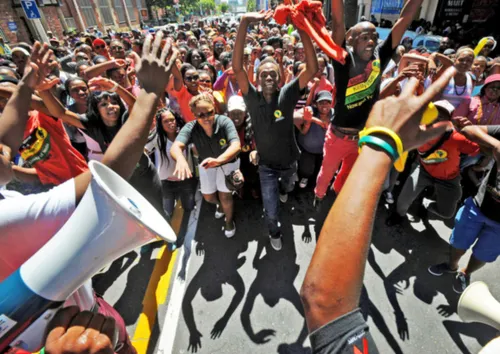
Southern Thailand's surge in violence tests Bangkok's new peace strategy
LETTERS: For communities on both sides of the Thailand-Malaysia border, the latest violence in Thailand’s deep south is more than another episode in a conflict that has lasted for more than two decades.
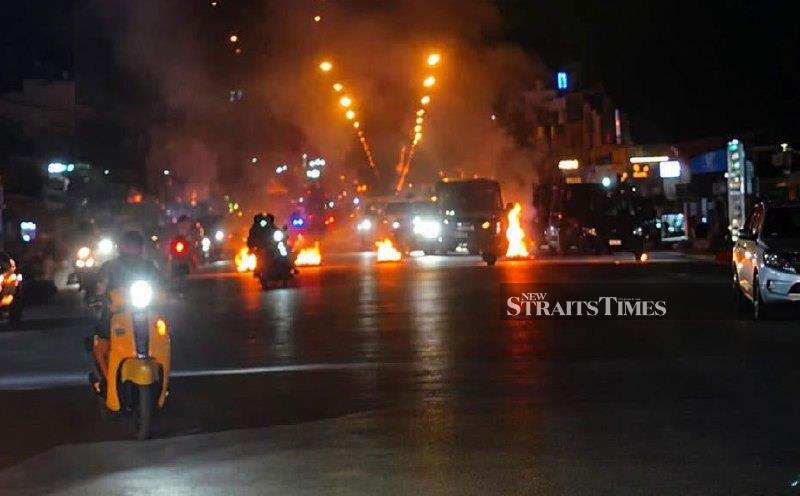
Southern Thailand's recent surge in violence has put Bangkok's new peace strategy to the test, as the conflict has endured for over two decades. Thailand's chief peace negotiator, Thanut Suvarnananda, hints at a more comprehensive approach, discussing political grievances, governance, decentralization, and potentially amnesty, pardons, or sentence reductions. However, Malaysia continues to facilitate these talks.
The violence may serve as a reminder to Bangkok that the insurgency remains politically and operationally strong, according to the assessment. The attacks on shops, railway infrastructure, utility facilities, and other state presence are politically significant, sending a message beyond the battlefield. It challenges Bangkok's ability to maintain uncontested authority in the southern provinces, indicating a challenge to the state's capacity to exercise authority.
The escalation of violence comes amid concerns about waning confidence within the Barisan Revolusi Nasional (BRN) over the slow progress of the peace process. Thai negotiators acknowledge the correlation between violence and negotiations. The message sent by the attacks may vary, depending on the audience - local Malay-Muslim population, Malaysia as facilitator, and potentially other factions within the insurgency.
The southern peace process has faced numerous challenges, including government changes, political upheaval, military intervention, and shifting negotiating personnel. This history complicates both sides' ability to trust each other's commitments, raising questions about whether future Thai governments will uphold agreements and whether negotiators can guarantee armed elements' compliance.
The attacks on infrastructure, while causing few deaths, disrupt daily life and demonstrate the insurgency's military capability, making the political message inseparable from their military strength.
Written by urgent.news from New Straits Times's reporting — not their text. Machine-written — may contain errors; check the original before relying on it.