Shutting down East-West pipeline making crude oil more expensive for Indian refiners
High crude oil prices, coupled with a record weak Indian rupee against the US dollar, will further inflate the crude import bill
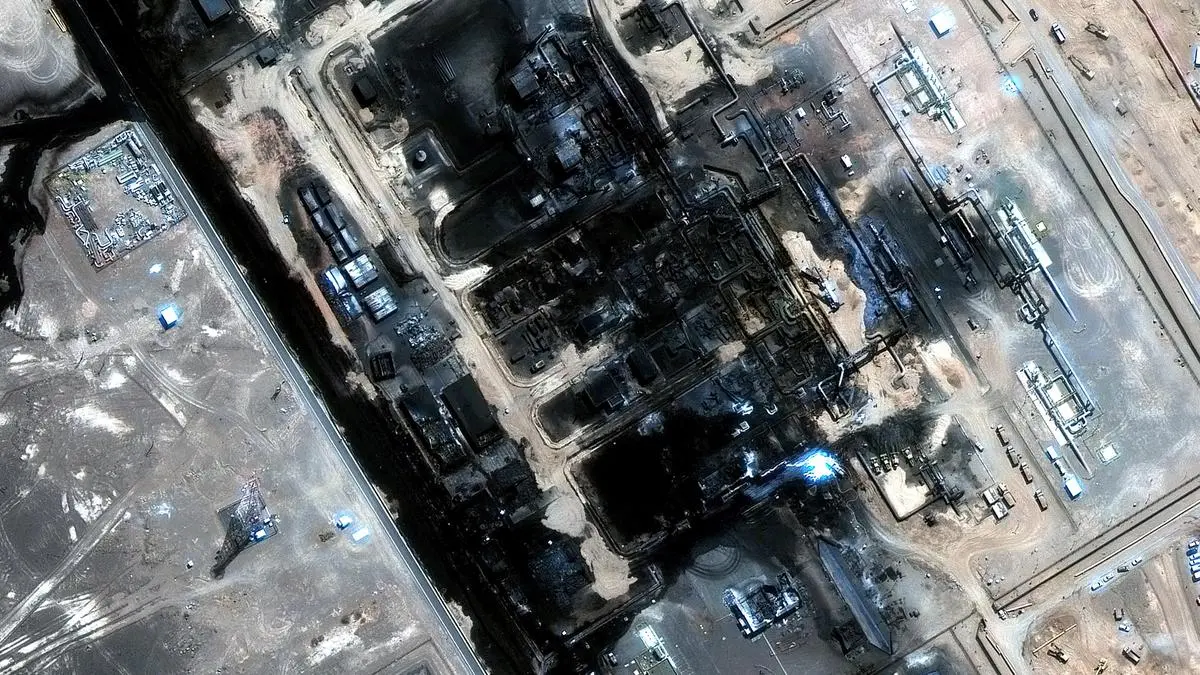
Saudi Arabia's decision to shut down the East-West crude oil pipeline, a key supplier of around 4% of global crude, could significantly increase oil prices. The 1,200 km pipeline, which transports oil from Abqaiq to the Yanbu port on the Red Sea, carries roughly 4 million barrels of crude oil daily. The closure, while expected to not cause major supply disruptions, has heightened uncertainty and contributed to a rise in oil prices. By Tuesday, the price of Brent crude was $106.1 per barrel, WTI at $102.3, and Murban at $120.8.
India's crude import bill, already at a record high of $63.4 billion during April-July 2027, is likely to be further inflated by the high crude prices and a weak Indian rupee against the US dollar. Kpler's analysis points out that the closure of the pipeline reduces routing flexibility for Indian refiners at a time when several key oil transit routes are already under pressure.
India is increasingly looking to diversify its oil sources across countries like Russia, the US, West Africa, and Latin America to mitigate the risks associated with a single corridor. However, the bigger concern for India is not just the physical availability of crude but the rising landed cost of crude, which includes higher crude prices, freight, insurance, and longer voyages. This could lead to a higher oil import bill, strain the current account deficit (CAD), weaken the rupee, and increase inflationary risks.
Dharmakirti Joshi, Chief Economist at Crisil, forecasts that if global crude prices rise by $10 per barrel, India's import bill could increase by $13-14 billion. Rising global energy prices are already impacting inflation, with India's Consumer Price Index (CPI)-based inflation rising to 4.8% in July 2027, reflecting price pressures across food and non-food categories.
The discontinuation of the East-West pipeline due to drone attacks and geopolitical tensions in West Asia has further strained energy security. Tanker transits through the Strait of Hormuz have plummeted to single digits, and concerns over a potential explosion of a super tanker have added to market volatility. High energy prices are also affecting oil marketing companies' margins and the government's fiscal position.
To mitigate these risks, diversification of oil sources is crucial, but it cannot fully offset the cost impact when several major oil routes are stressed simultaneously. Russian crude oil, particularly when transported through the Black Sea and Baltic, becomes more valuable in terms of supply security. The shutdown of the East-West pipeline highlights the need for India to explore alternative oil sources to ensure energy security and mitigate the impact of rising energy costs.
Written by urgent.news from Hindu BusinessLine's reporting — not their text. Machine-written — may contain errors; check the original before relying on it.
This story
This is one outlet's version. Read the fullest account.
- What Saudi Arabia’s East-West pipeline closure means for global energy markets thehindubusinessline.com
- Saudi Arabia issues emergency alert for Khamis Mushait, Abha fxstreet.com
- Iran’s allies squeeze Saudi Arabia ft.com
- Saudi Arabia may be just days away from not being able to export much oil marketwatch.com
- Oil’s next test: Saudi Arabia races to restore a key safety valve for prices cnbc.com