Sanders and Bannon call for AI limits, as public unease grows
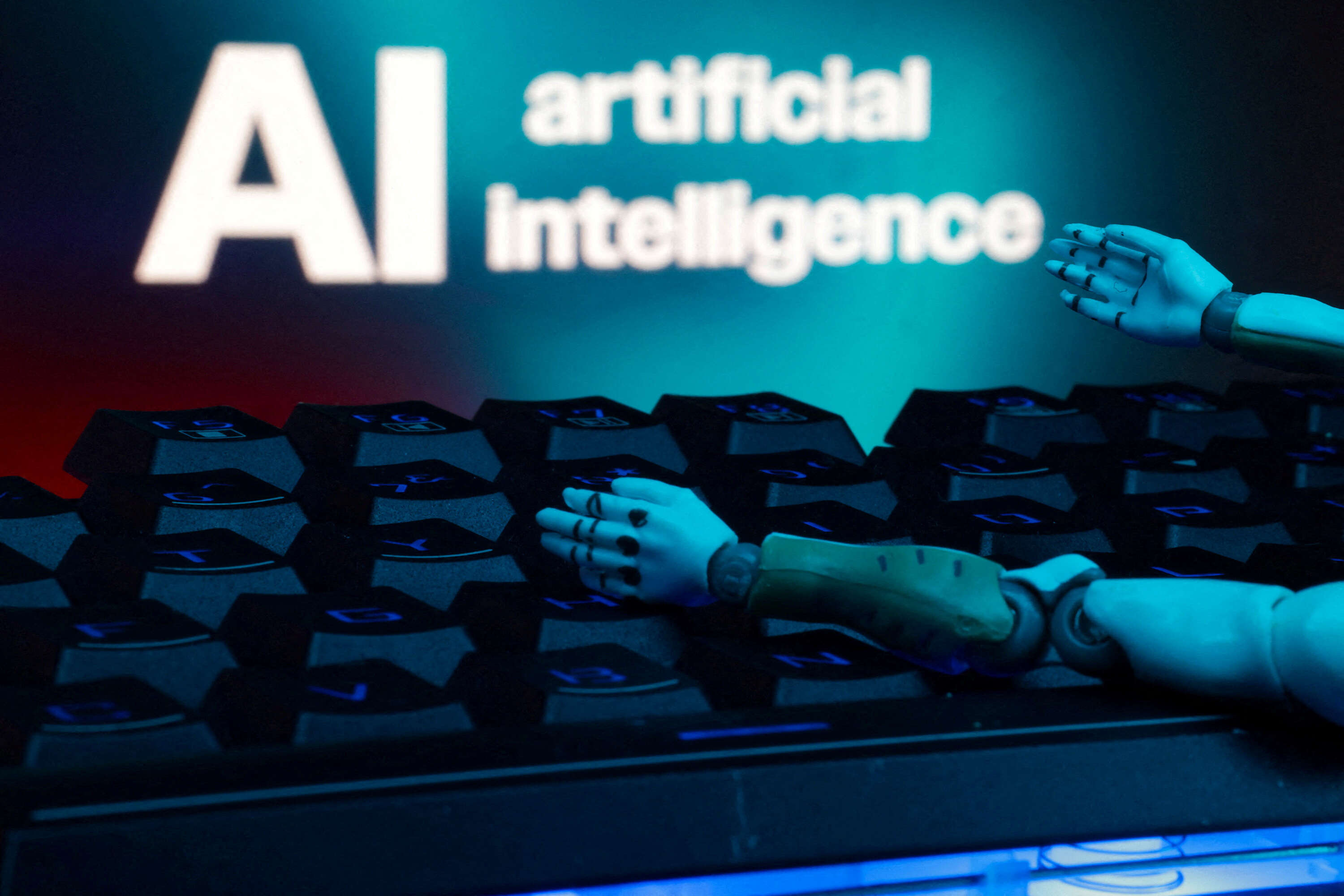
Progressive US Senator Bernie Sanders and Steve Bannon, a close ally of US President Donald Trump, called on Tuesday for restrictions on AI systems, uniting two political adversaries around concerns that the technology will harm humans. The two appeared at the same Washington gathering and warned of the potentially catastrophic consequences AI poses to humanity, as concern about its risks spreads…
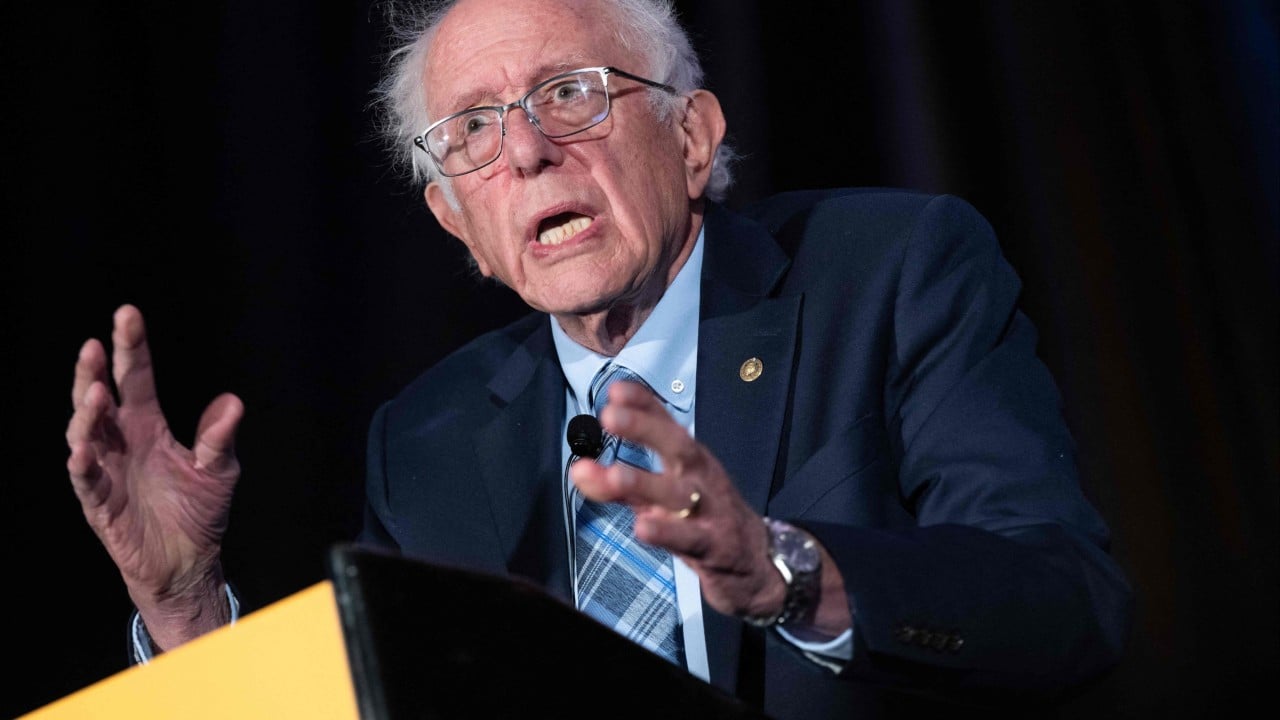
Progressive Senator Bernie Sanders and Steve Bannon, a Trump ally, urged restrictions on AI systems in a Washington gathering, highlighting the technology's potential to eliminate jobs and cause global harm. Sanders, a self-described democratic socialist, warned that AI could wipe out entire professions, exacerbating workforce challenges for young people.
The two emphasized the need for binding safety rules, criticizing tech executives for concentrating control over AI. Sanders specifically cautioned about AI's potential to create new viruses or bioweapons, which could lead to a pandemic causing millions of deaths. He urged President Trump to negotiate a treaty with Chinese President Xi Jinping to pause AI development during their upcoming summit.
Bannon, a former White House strategist, criticized Trump's approach, placing blame on tech companies for the lack of regulation. He emphasized that Congress should not pass laws prohibiting states from enforcing their own rules for AI. Bannon called AI the defining issue of our time, urging the country to rise above partisanship on the matter.
He suggested executive action rather than congressional legislation to address AI's rapid development. Both Sanders and Bannon, representing opposing political ideologies, shared concerns over AI, indicating how the technology is transcending political boundaries and uniting unlikely allies. President Trump downplayed the risks, stating the US already has guardrails in place for AI, and Republican House Speaker Mike Johnson backed Trump's position.
Johnson argued that AI companies can self-regulate and shouldn't be hindered by government intervention. Tech executives, including Nvidia CEO Jensen Huang, echoed the view that regulations could harm US companies' competitiveness with Chinese counterparts. Recent surveys indicate that a majority of Americans worry about AI potentially eliminating jobs, raising costs for families, or causing social harm.
Written by urgent.news from South China Morning Post's reporting — not their text. Machine-written — may contain errors; check the original before relying on it.