Rubber mask helps to track cattle methane emissions in real time
A wearable mask that tracks the methane output of individual cattle in real time promises to help quantify the livestock sector's contribution to national emissions.
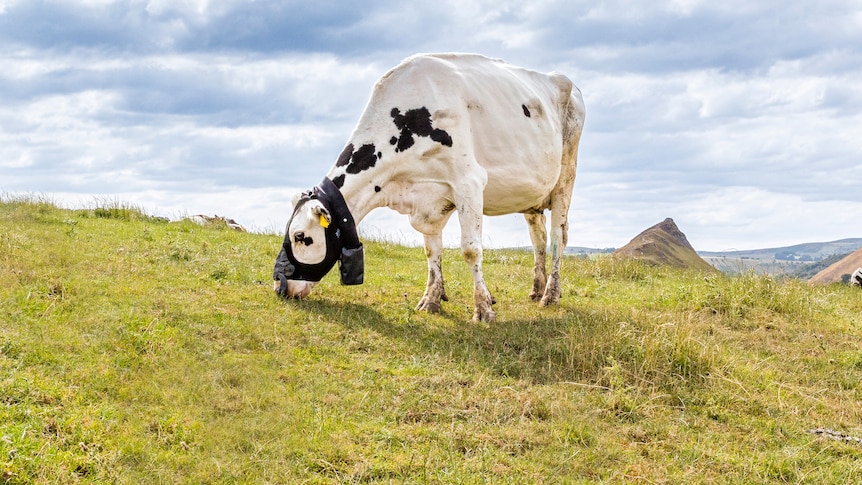
A new wearable device has been developed to help farmers track methane emissions from cattle in real-time, according to CSIRO. The Global Methane Hub (GMH) funded the ZELP Sense, which is essentially a rubber sock that fits over a cow's head, allowing it to eat and drink normally while sampling the air around its nostrils. The device measures both the concentration of methane in the air and the rate of airflow, enabling farmers to estimate daily or even hourly emissions.
This technology could help the livestock industry lower its greenhouse gas emissions and demonstrate its efforts to reduce its carbon footprint. The CSIRO estimates that ruminant animals, including cows, sheep, and goats, contribute more than 10% of Australia's total greenhouse gas emissions. While some methane-detecting devices measure gas in the animal's breath when they walk into fixed feed stations, this new device offers a more accurate and cost-effective solution.
The Australian Climate Council notes that agriculture and livestock farming are the largest single emitter of methane in the country, accounting for nearly 65% of climate pollution from Australian agriculture. However, the livestock industry has questioned the methodology of how cattle methane emissions are calculated, and this new technology could provide a clearer picture.
The CSIRO estimates that this wearable device has undergone over 20,000 hours of real-world use, and its development aligns with the growing trend towards climate-friendly meat.
Written by urgent.news from ABC News AU's reporting — not their text. Machine-written — may contain errors; check the original before relying on it.