Putin’s diplomacy blitz strategically targeting the Global South
Over the past two weeks, Russia’s President Vladimir Putin staged a major diplomatic blitz. Across three events in Bishkek, Kyrgyzstan, Vladivostok in Russia’s Far East and New Delhi, India, as well as a state visit by Vietnam’s leader, he met with some 18 heads of state. Among them were the leaders of heavyweights of the Global South such as China, India, Indonesia, […] The post Putin’s…
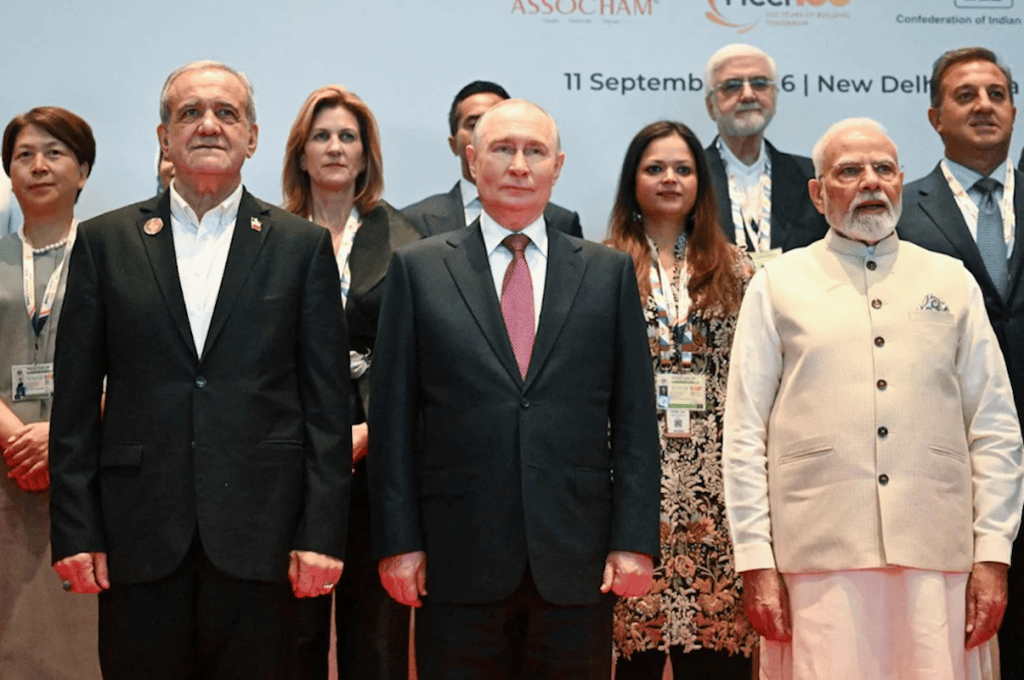
At the 18th BRICS Summit in New Delhi, leaders emphasized the development priorities of emerging economies, advocating for stronger representation of the Global South and cooperation on trade, technology, finance, and sustainable growth. Chinese President Xi Jinping highlighted the importance of pursuing tailored development paths for each country, aligning with the summit's emphasis on policy autonomy, inclusive growth, and global institution reform.
Xi marked 20 years of BRICS cooperation and described the group as a vital platform for emerging markets and developing nations. The New Delhi Declaration advocated for a more representative international order and reforms to institutions such as the UN, WTO, and international financial architecture. Leaders called for national circumstances and policy space, especially in areas like energy transition, industrialization, and climate action.
Xi proposed an AI-enabled industrialization initiative, deeper research cooperation, and stronger industrial and supply-chain links. Prime Minister Narendra Modi emphasized resilience, innovation, cooperation, and sustainability, calling for solutions developed within BRICS to benefit a wider range of developing countries. Members agreed on measures for digital cooperation, food and energy security, health, trade facilitation, and local currency use in cross-border transactions.
The declaration supported stronger payment connectivity but did not endorse a common BRICS currency. The economic agenda also underlined the practical challenges facing the group, such as using national currencies in trade and investment and strengthening cooperation through the New Development Bank. While the expanded BRICS brings together countries with diverse political systems, strategic alignments, and economic structures, this diversity limits how far members can converge on detailed policy prescriptions.
Analysts note tensions over whether BRICS should primarily remain an economic and development forum or assume a stronger geopolitical role.
Written by urgent.news from Arabian Post's reporting — not their text. Machine-written — may contain errors; check the original before relying on it.
This story
This is one outlet's version. Read the fullest account.
- BRICS elevates Global South development priorities thearabianpost.com
- Anwar: BRICS can help build fairer global trade, more democratic world order thevibes.com