Punk’s not dead—it’s in the boardroom
A few years ago Adrian Swinscoe , a customer experience consultant, was lamenting that the field had become overly focused on benchmarks, metrics, and other abstract notions removed from actually connecting with customers. “People were getting so much into the details, they were losing sight of the customer,” he says. If only, Swinscoe mused to a friend over a beer, someone could just do…
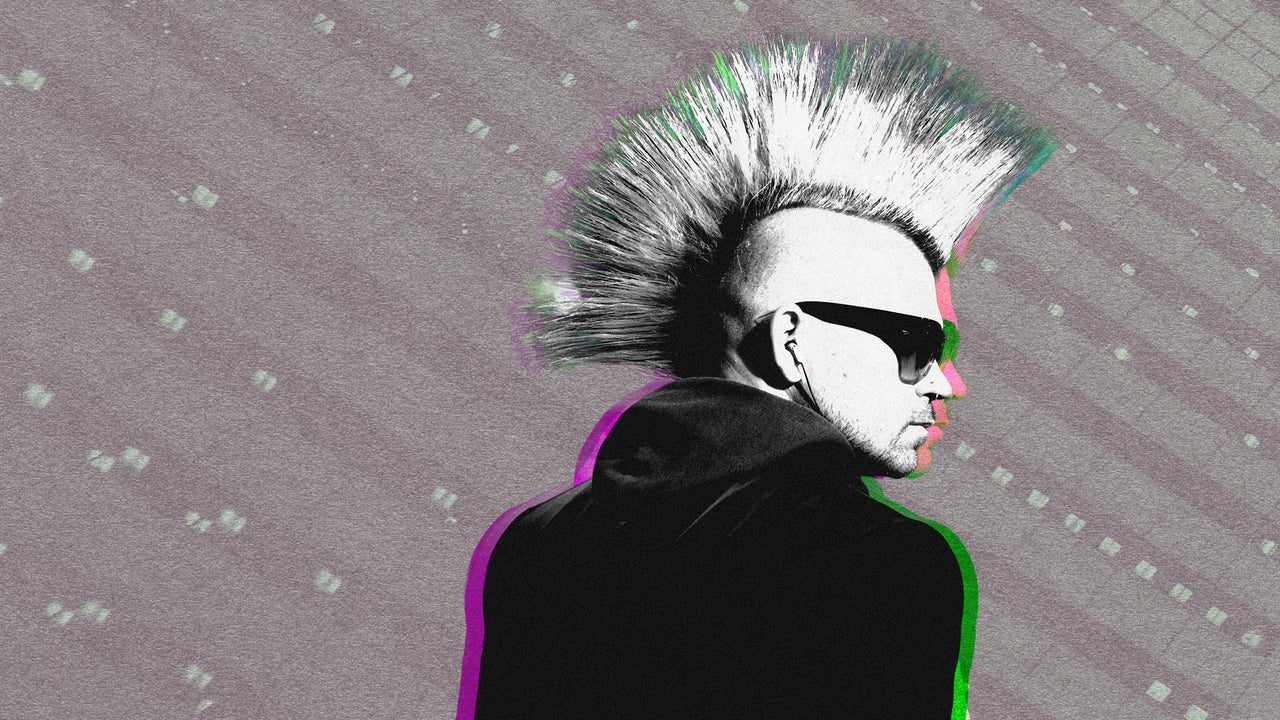
Adrian Swinscoe, a customer experience consultant, once lamented that the field had become overly focused on abstract concepts like benchmarks and metrics, leading to a loss of connection with customers. Inspired by punk music, which he saw as a reaction against overly technical rock genres, Swinscoe penned his 2019 book, Punk CX, a guide with a punk-inspired aesthetic.
The book advocates for a stripped-down approach that emphasizes energy, enthusiasm, and authenticity, using memorable imagery like guillotines and scatological allusions. Since its publication, Punk CX has inspired readers, led to a second volume, and even sparked a podcast where Swinscoe interviews leaders from big companies and startups.
While some in the business world have embraced punk-inspired aesthetics, others, like HR consultant Laurie Ruettimann, argue that it's contradictory to be both punk and participate in capitalism. Ruettimann, a Gen Xer who grew up listening to punk, found herself torn between her values and the need to make a living in middle age.
She has since become a chair of the ITSA Foundation and uses her "Punk Rock HR" aesthetic to advocate for universal basic income. Meanwhile, Chris Lynch, who got into punk bands as a teenager and later became a CEO, says he had to "sell out" to pay bills and provide for his family.
Written by urgent.news from Fast Company's reporting — not their text. Machine-written — may contain errors; check the original before relying on it.