Palantir CEO does not want American companies to put brakes on AI development
Palantir CEO Alex Karp opposes slowing artificial intelligence development. He believes pausing technology would cede strategic advantage to China. Karp emphasizes AI's importance for defense and national security applications. Many AI leaders and Donald Trump also reject a development slowdown. Karp notes growing US consensus on concerns regarding China's leadership.
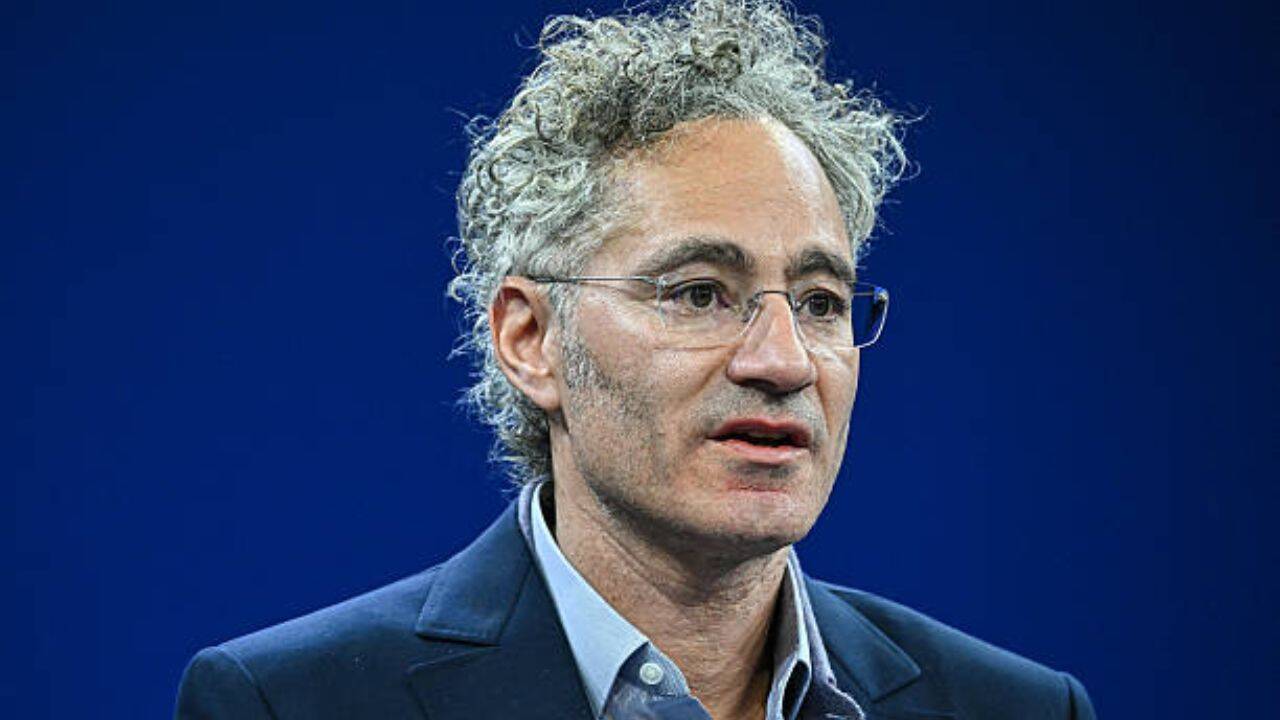
Palantir CEO Alex Karp does not want American companies to slow down artificial intelligence (AI) development, despite growing concerns about the risks posed by increasingly powerful AI models. His stance is driven by the possibility of losing a strategic advantage in the race for AI against China. Karp supports a pause in AI development only if there are no geopolitical rivals pushing ahead with the technology, as it would provide a structural advantage for both large language models (LLMs) and algorithms.
He emphasizes the importance of making AI work in classified environments, particularly for defense and national security, which he believes will be a significant opportunity for the US economy. Karp expressed concern over China's leadership and believes that the US and China are unlikely to reconcile, suggesting that the US should increase its aggression towards China.
Growing calls for a slowdown from AI leaders like Anthropic CEO Dario Amodei, OpenAI CEO Sam Altman, and Elon Musk, as well as US President Donald Trump's rejection of the idea, have fueled the ongoing debate on AI regulation.
Written by urgent.news from Times of India's reporting — not their text. Machine-written — may contain errors; check the original before relying on it.