Oil prices tick up as conflict widens, disruptions grow in Middle East
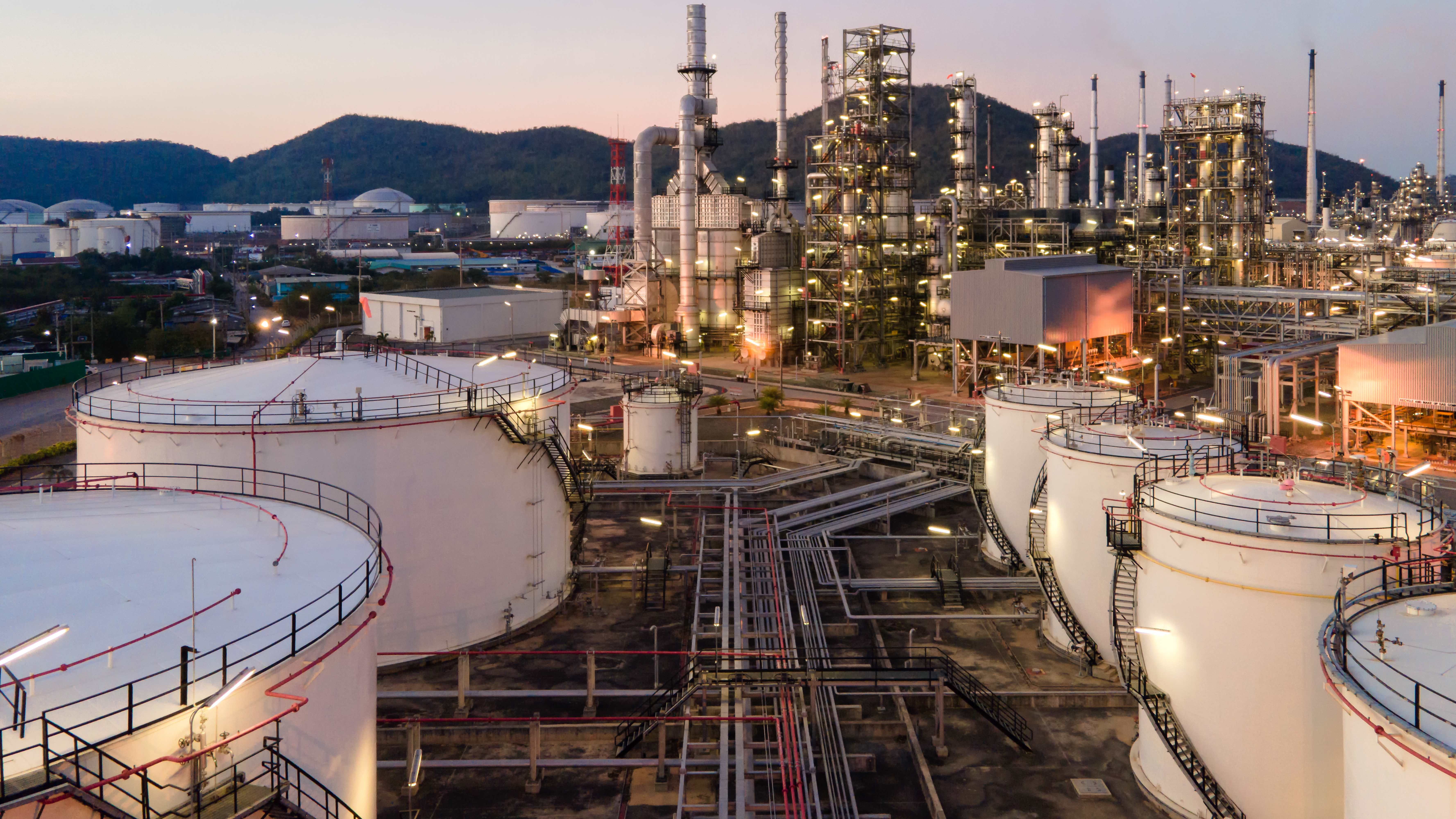
Oil prices surged on Tuesday, approaching recent highs as conflict in the Middle East intensified. Brent crude futures crossed the $108.50 mark, while WTI crude jumped over $104.50. The main concern was Saudi Arabia, as the country faced attacks on its oil infrastructure by Yemeni Houthi militia and Iran-backed proxy forces. The East-West pipeline, carrying oil to the Red Sea port of Yanbu, was shut down due to the strikes, affecting oil exports.
With a capacity of around 7 million barrels per day, the pipeline has been crucial in driving recovery in Persian Gulf oil exports. However, disruptions in the Red Sea and the Strait of Hormuz have hampered oil flows, with Saudi exports recovering but not fully returning to prewar levels. European buyers reportedly faced cancellation of some September cargo loadings.
The Red Sea has become a hot zone, with Rabobank strategists noting that pipeline rebuilding is not the same as restarting oil exports. The situation also includes Iran's potential deal with the U.S. and protests by militia in Libya, suspending oil production at two oilfields. These factors have intensified pressure on the Federal Reserve, with energy prices persistently pushing inflation upward.
Written by urgent.news from Yahoo Finance's reporting — not their text. Machine-written — may contain errors; check the original before relying on it.