National COVID-19 trends, September 15
This summer’s COVID-19 wave may have reached its peak in some parts of the country, as major metrics report disease levels stagnating or starting to decline as of early September. But levels remain high in many places, particularly in the West and South. And we are approaching the start of the season for flu and other respiratory viruses that spread in colder weather. The post National COVID-19…
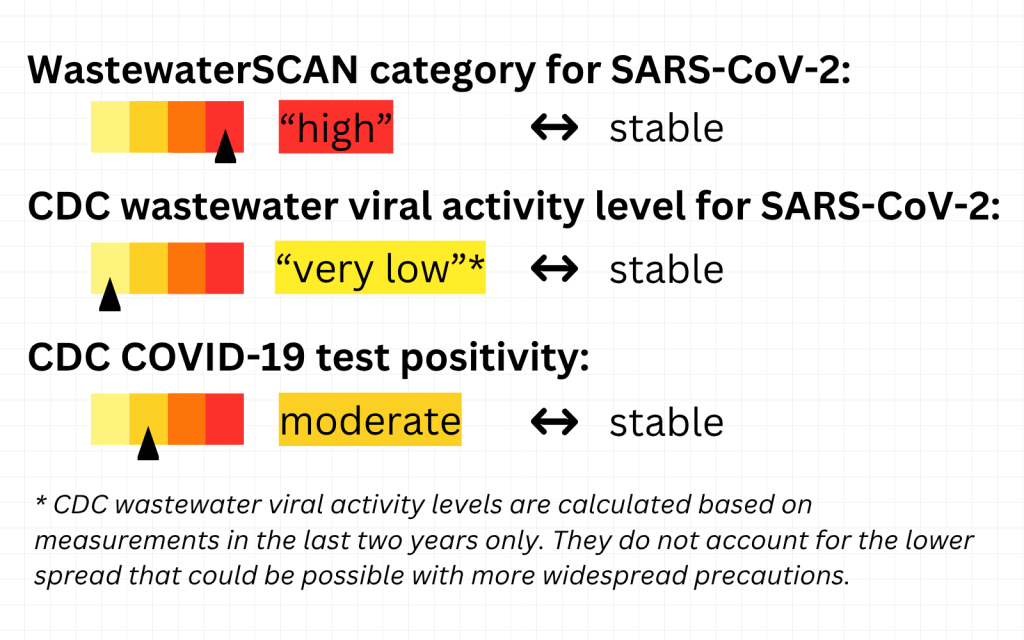
The latest national COVID-19 trends, as reported by the U.S. Centers for Disease Control and Prevention (CDC) and major wastewater surveillance providers, show a mixed picture. SARS-CoV-2 concentration in wastewater increased by 4% between August 26 and September 2, with the national wastewater trend classified as "high" by WastewaterSCAN.
However, wastewater-based viral activity levels for the virus remained relatively low. COVID-19 test positivity rates have remained steady, with 5.6% of tests returning positive results during both the week ending August 29 and the week ending September 5.
This summer's COVID-19 wave may have peaked in certain parts of the country, as major metrics indicate disease levels are stagnating or beginning to decline by early September. Yet, the virus remains prevalent, particularly in the West and South. Wastewater data from the CDC and Biobot Analytics indicate that national averages of SARS-CoV-2 in sewage have plateaued in recent weeks, though the rate of increase has slowed compared to the sharp rise seen in August.
The West and South regions have recorded the highest SARS-CoV-2 levels in wastewater throughout the current wave, as summer waves have typically been larger than winter ones in recent years.
Healthcare system data corroborate these findings, showing stagnant national average test positivity rates between August 22 and September 5, with higher positivity rates in the South and West, especially in Texas and surrounding states. The CDC's infectious disease forecasting center estimates COVID-19 cases are "growing or likely growing" in 35 states as of September 9, including states in the West, Midwest, and Northeast.
Conversely, cases in eight Southern states are "declining or likely declining," while seven states report no change. Despite the general decline in summer 2023's COVID-19 cases compared to past summers, comparison remains challenging due to the evolving nature of the virus and other factors that affect wastewater data.
As the COVID-19 wave may be peaking, other viruses are beginning to emerge. The CDC's flu surveillance network reports a rise in influenza-like illness cases over recent weeks, indicating a broad increase in people seeking medical attention for fever, cough, or sore throat. This metric can include COVID-19 cases alongside flu, RSV, and other respiratory viruses.
New vaccines are becoming available from pharmacies and doctor's offices, including the Novavax vaccine, which some individuals with Long COVID or related conditions may favor due to its fewer side effects.
Written by urgent.news from The Sick Times's reporting — not their text. Machine-written — may contain errors; check the original before relying on it.