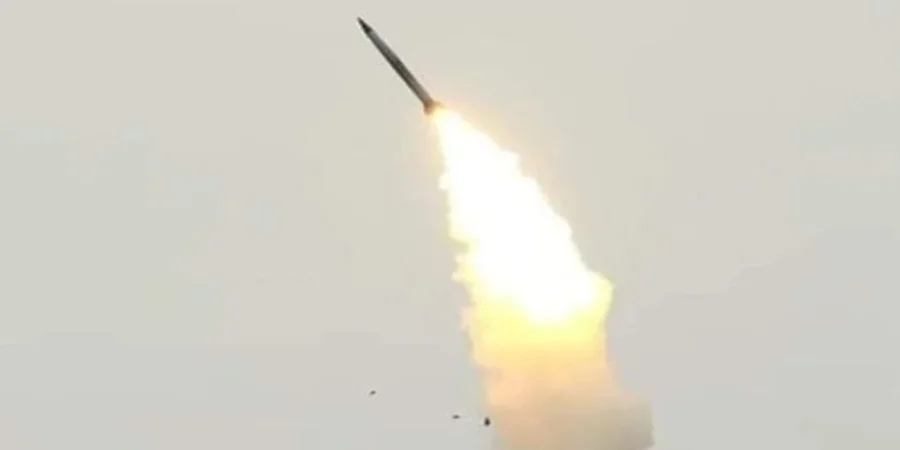
Naher Osten: US-Kontrollbehörde stellt Munitionsmangel wegen Iran-Krieg fest
Der Bericht einer US-Behörde bestätigt, was die Regierung lange bestritten hat: Der Iran-Krieg hat die Munitionsvorräte der USA ausgedünnt. Auch die finanziellen Auswirkungen werden klarer.
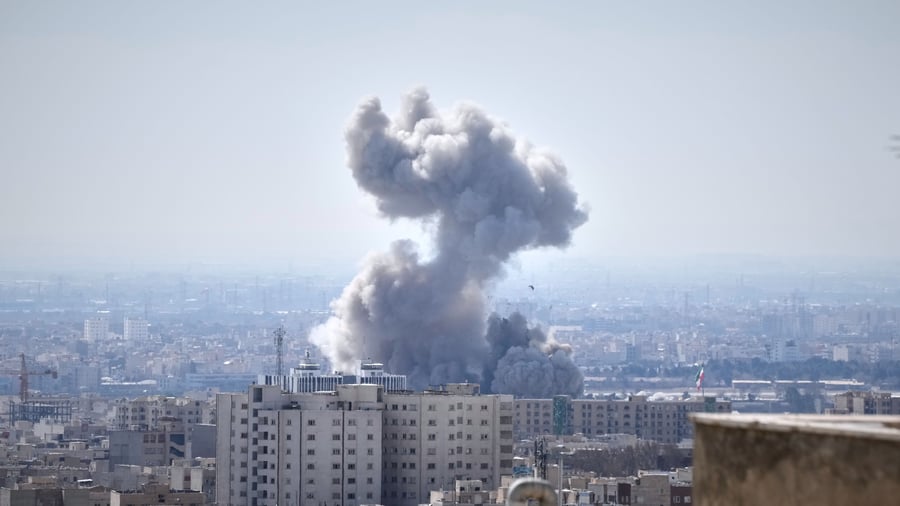
The Pentagon's General Inspection, an independent agency within the Department of Defense, acknowledged in its initial congressional report that ammunition shortages are a consequence of the Iran War. The report, released on Monday, stated that the operation "Epic Fury" has caused "strategic stock shortage" and "supply chain bottlenecks" in the defense industry.
To alleviate these issues, the Defense Department is working to expedite procurement processes, reduce production lead times, and stockpile critical materials, components, and select ammunition to enable rapid response in emergencies. The report covers the period from April 1 to June 30. The issue of ammunition shortages has been a politically sensitive topic since the war's beginning in late February.
Defense Secretary Pete Hegseth had previously dismissed reports of ammunition shortages, and President Donald Trump often countered such reports, threatening lengthy prison sentences for those disseminating them. On Monday, Trump tweeted on his platform Truth Social that the United States has produced more weapons "than ever before in our history," and that daily deliveries are made to military forces in the Middle East and beyond.
The war has also caused significant damage to American military bases in Kuwait, Bahrain, Qatar, the United Arab Emirates, Saudi Arabia, Iraq, Oman, and Jordan. Dozens of drones and aircraft were damaged or destroyed, including up to 30 MQ-9 Reaper drones worth about $30 million each, seven KC-135 tankers, and one KC-135 that crashed due to a mid-air collision with another KC-135, killing six soldiers.
These fatalities, along with the death of a pilot whose helicopter crashed into the Arabian Sea, are classified as non-hostile incidents. Eleven other soldiers were killed in "combat" incidents in Kuwait, Iraq, Jordan, and Saudi Arabia. The war has cost the United States over $37.5 billion, with damage to US buildings in Iraq, Kuwait, Saudi Arabia, and the United Arab Emirates estimated at $184 million.
Approximately 9,000 US citizens from countries in the Middle East and Europe were evacuated. The Department of State has also estimated additional costs related to the war at $113 million, with nearly 80 million of these funds allocated to emergency measures, including evacuations. The Ministry of Defense reported spending over $11 million on the war as of June 30.
Additionally, more than $44 billion in weapons sales were made since the war began on February 28, with the majority going to Saudi Arabia. These sales include helicopters, ammunition, and modern precision weapons.
Written by urgent.news from Handelsblatt's reporting — not their text. Machine-written — may contain errors; check the original before relying on it.