Mizoram yields two new-to-science frog species, one hiding in plain sight
Duttaphrynus phawngpui and Ingerana aizawl named after Mizoram’s highest peak and its capital; one species was long mistaken for a widespread frog
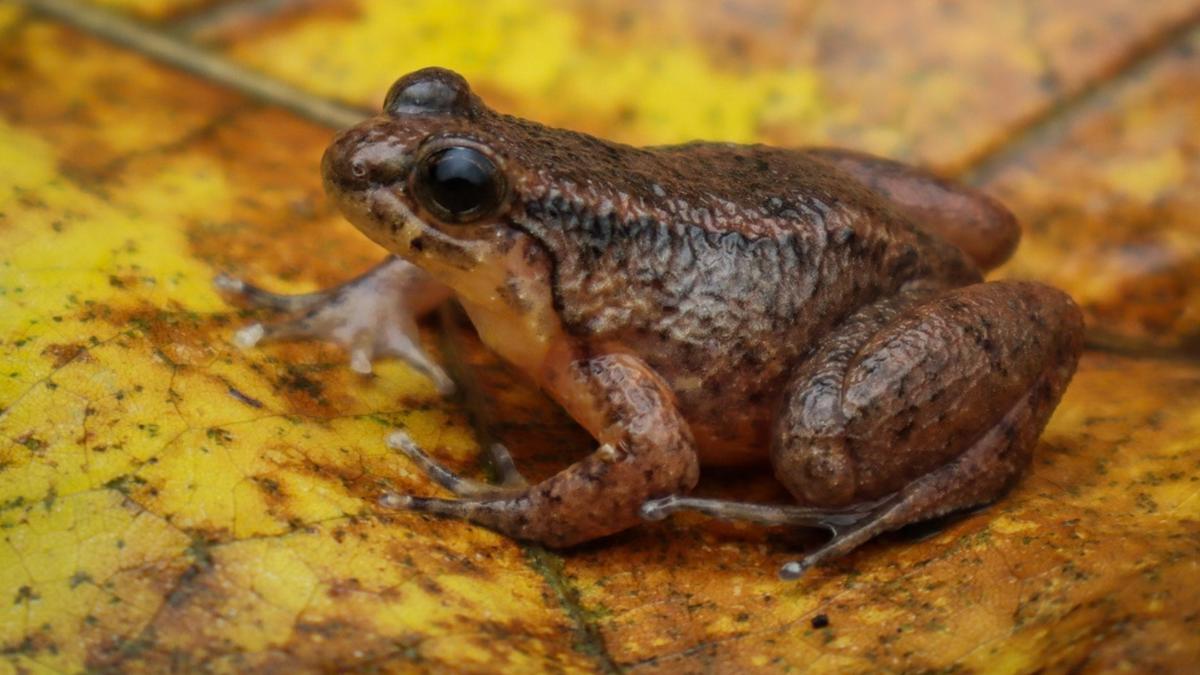
In Mizoram, two new species of frogs have been discovered, one of which had been hiding on a university campus for over two decades. The frog species, Duttaphrynus phawngpui and Ingerana aizawl, were named after Mizoram's highest mountain peak, Phawngpui, and its capital city, Aizawl, respectively. The research was conducted by Jayaditya Purkayastha, Hmar Tlawmte Lalremdanga, Malsawm Dawngliana, and Mara Dausa Hlychho, with additional input from Holiness Warjri, A.A.
Thasun Amarasinghe, Amit K. Bal, Vanlal Hruaia, and Mathipi Vabeiryureilai for Duttaphrynus phawngpui, and Manmath Bharali, Malsawmtluanga, Rupankar Bhattacherjee, Arup Kumar Hazarika, and Nilutpal Das for Ingerana aizawl.
The toad, Duttaphrynus phawngpui, was found at elevations above 2,000 meters within Phawngpui National Park, which is named after the Blue Mountain. It is a medium-sized frog, growing up to 56 mm in length, with yellowish-brown to earthy-brown skin covered in irregular dark blotches. It also has a distinctive pale stripe running down its back and crossbars on its legs. What sets it apart from other species is the absence of a clearly visible eardrum and most of the bony ridges on its skull.
The researchers used three lines of evidence to confirm that Duttaphrynus phawngpui was a new species, including DNA analysis of a mitochondrial gene, detailed body measurements analyzed statistically, and a visual comparison with museum specimens of its closest relatives. All three lines of evidence pointed to a genetically distinct species.
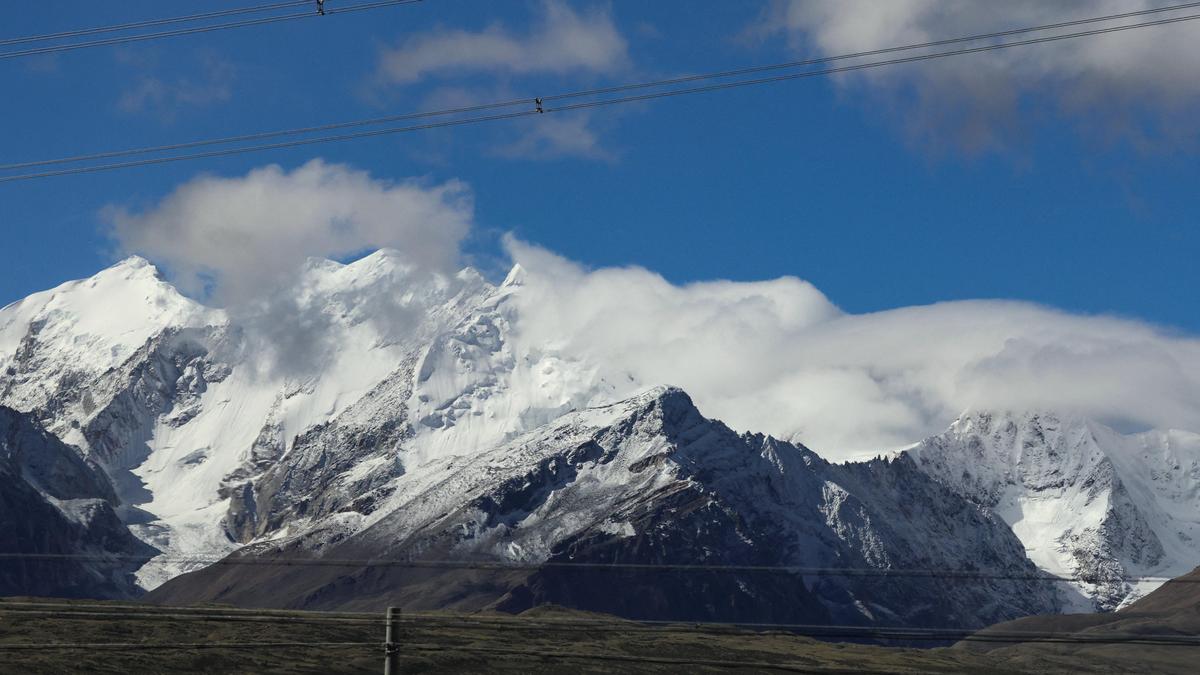
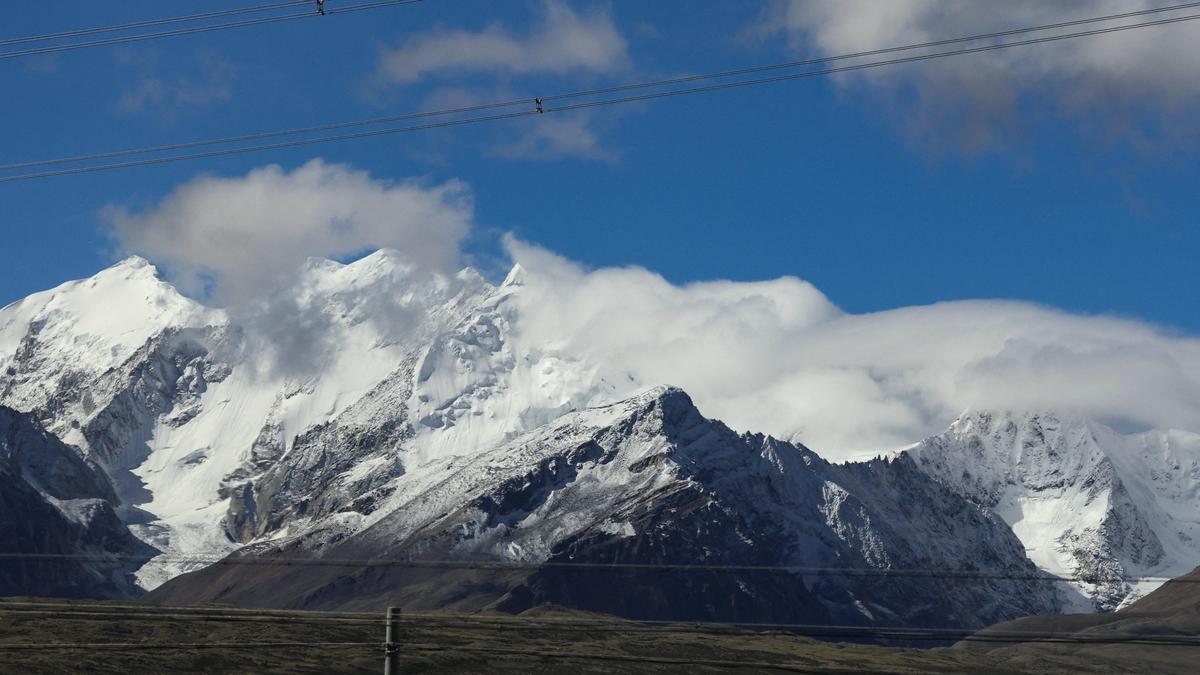
The discovery of this new frog species reinforces the theory that isolated mountain peaks act like "sky islands," trapping populations that evolve independently over time. The toad is currently known to be found only on a single mountaintop, which is a concern for conservationists, especially in the context of climate change.
Written by urgent.news from The Hindu's reporting — not their text. Machine-written — may contain errors; check the original before relying on it.
This story
This is one outlet's version. Read the fullest account.