Misery is an emotional feature, not a glitch in the system
Tolstoy’s famous opening to Anna Karenina (1878) about happy families being all alike but unhappy ones each being unhappy in their own way applies just as well to feelings. There are simply more ways to feel bad than to feel good — and more words to describe those bad feelings. English is bloated with terms for anger, anxiety, sorrow, shame, jealousy, regret. When it comes to the positive side of…
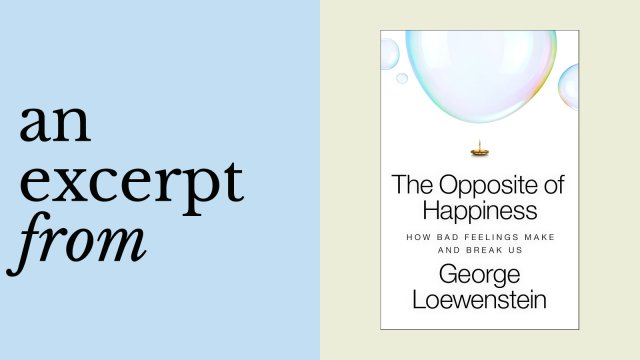
Tolstoy's opening line in Anna Karenina, comparing happy families to unhappy ones, holds true for emotions as well. Negative emotions come in various forms and have distinct sensations, whereas positive emotions are less diverse and don't last as long. English lacks adequate vocabulary for many positive feelings, such as the anticipation of good things or the absence of pain or hunger.
Autobiographical memory research reveals that people often differentiate between various negative emotions but struggle to recall positive experiences similarly.
Emotions, like hunger or thirst, have both an unpleasant sensation and a motivation to act, protecting the body. These feelings don't reward us but push us to change behavior for survival. The negativity bias, where negative emotions overpower positive ones, is evident in how a minor setback can ruin a positive experience. Though positive emotions have functions, psychologists are less certain about them compared to negative emotions.
Written by urgent.news from Big Think's reporting — not their text. Machine-written — may contain errors; check the original before relying on it.