Microscopic alien technology may be hidden in moon dust, scientists say
Could we find alien technology embedded in moon dust?
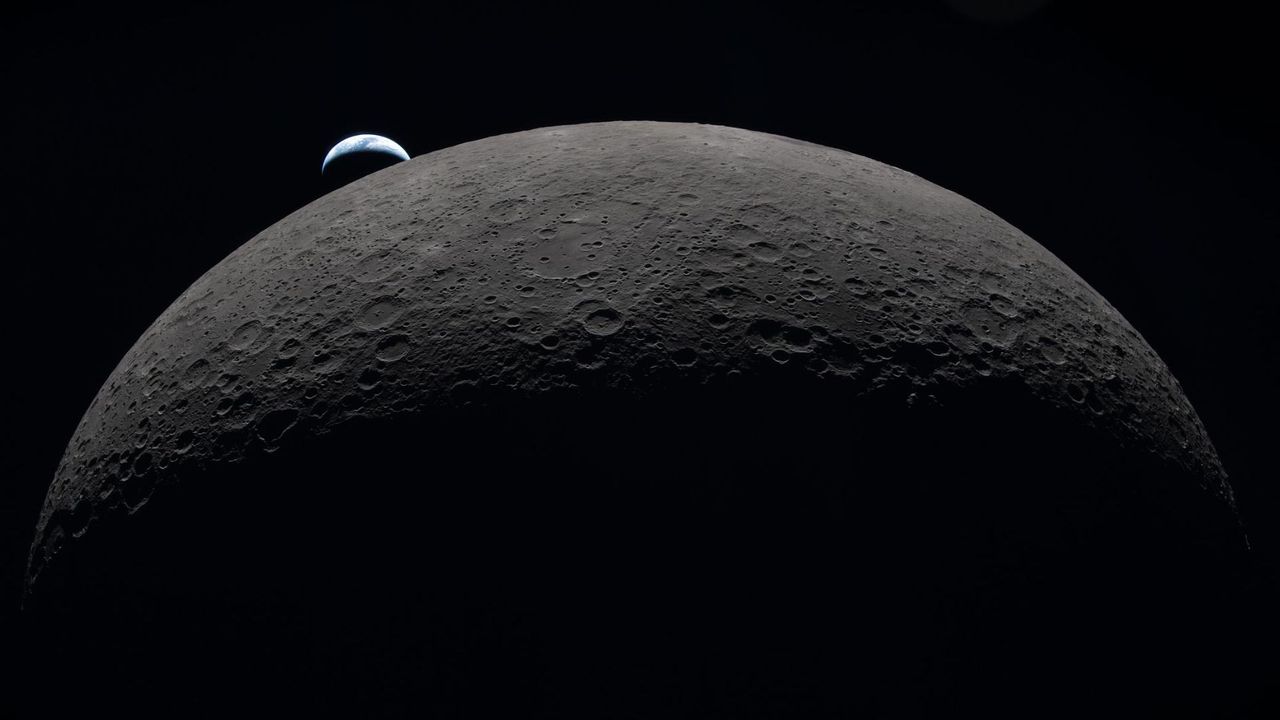
Scientists propose searching moon dust for microscopic alien technology. The idea, unreviewed, proposes detecting tiny engineered particles that may have arrived from interstellar space and settled on the moon. The SETI Institute recently highlighted a paper on the topic, which is undergoing peer review for the International Journal of Astrobiology. Led by SETI Affiliate Scientist Lewis Pinault, the study explores the possibility of microscopic alien technosignatures embedded in lunar regolith.
The moon has accumulated space debris for billions of years, potentially containing ancient traces of long-gone technologies. Even without discovering extraterrestrial technology, the search could enhance models of interstellar dust movement and lunar geology. NASA's Artemis program and China's Chang'e missions could facilitate sample returns, the institute said.
SETI Institute focuses on detecting artificial radio signals from extraterrestrials, but this new study delves into past alien communities that might have preserved knowledge in durable particles. The researchers aim to investigate how these particles could travel, remain viable, and embed themselves in the lunar surface. With the moon's slow-moving geology and lack of water or atmosphere, its surface presents an ideal archive of solar system and interstellar dust.
The study plans to analyze about 35 cubic feet of lunar regolith using multiple tools to set limits on durable artificial material from technological civilizations throughout the Milky Way's history. Even if no technosignatures are found, the research remains valuable for searching extraterrestrial artifacts, exploring solar system science, and testing new tools for analyzing moon samples that were unavailable during the Apollo era.
SETI Institute President and CEO Bill Diamond is enthusiastic about the prospect of this novel addition to the search for technology beyond our solar system.
Written by urgent.news from Space.com's reporting — not their text. Machine-written — may contain errors; check the original before relying on it.