Mercury Has Gotten Smaller Than We Thought
The first planet from the sun has been hiding its wrinkles The post Mercury Has Gotten Smaller Than We Thought appeared first on Nautilus .
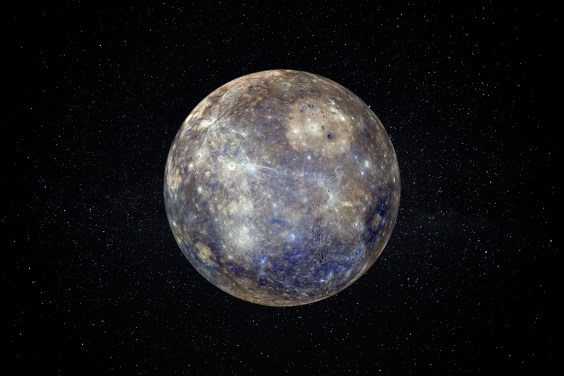
The innermost planet of our solar system, Mercury, appears to have shrunk more than previously estimated. Once a 200-mile larger sphere, the Mercury that we know today is 10 to 30 percent smaller. This surprising revelation was reached after researchers combined data from MESSENGER, a space probe that orbited Mercury from 2011 until its mission ended in 2015.
By mapping Mercury's surface roughness, scientists were able to infer how much the planet contracted as it cooled. The earlier estimates suggested a mere 2.5 to 10 mile contraction. However, recent findings imply a more substantial shrinkage, up to 14.5 miles.
This significant contraction could indicate that Mercury possesses a larger metal core, or that it started with a higher temperature. The findings are based on the most detailed digital rendering of the planet's surface, made possible by mapping data from highly elliptical flybys of MESSENGER.
While the new map corrects previous estimates, researchers warn that the figures could still be underestimated. The upcoming BepiColombo mission, set to reach Mercury later this year, will provide more comprehensive data. Until then, the shrinking mystery of our closest planetary neighbor remains intriguing.
Written by urgent.news from Nautilus's reporting — not their text. Machine-written — may contain errors; check the original before relying on it.