La Fed discute un alza de tipos y encara un choque frontal con Trump
El 90% del mercado descuenta ya que la Reserva Federal elevará este miércoles los tipos de interés mientras la Casa Blanca redobla la presión para que abarate el precio del dinero. Leer
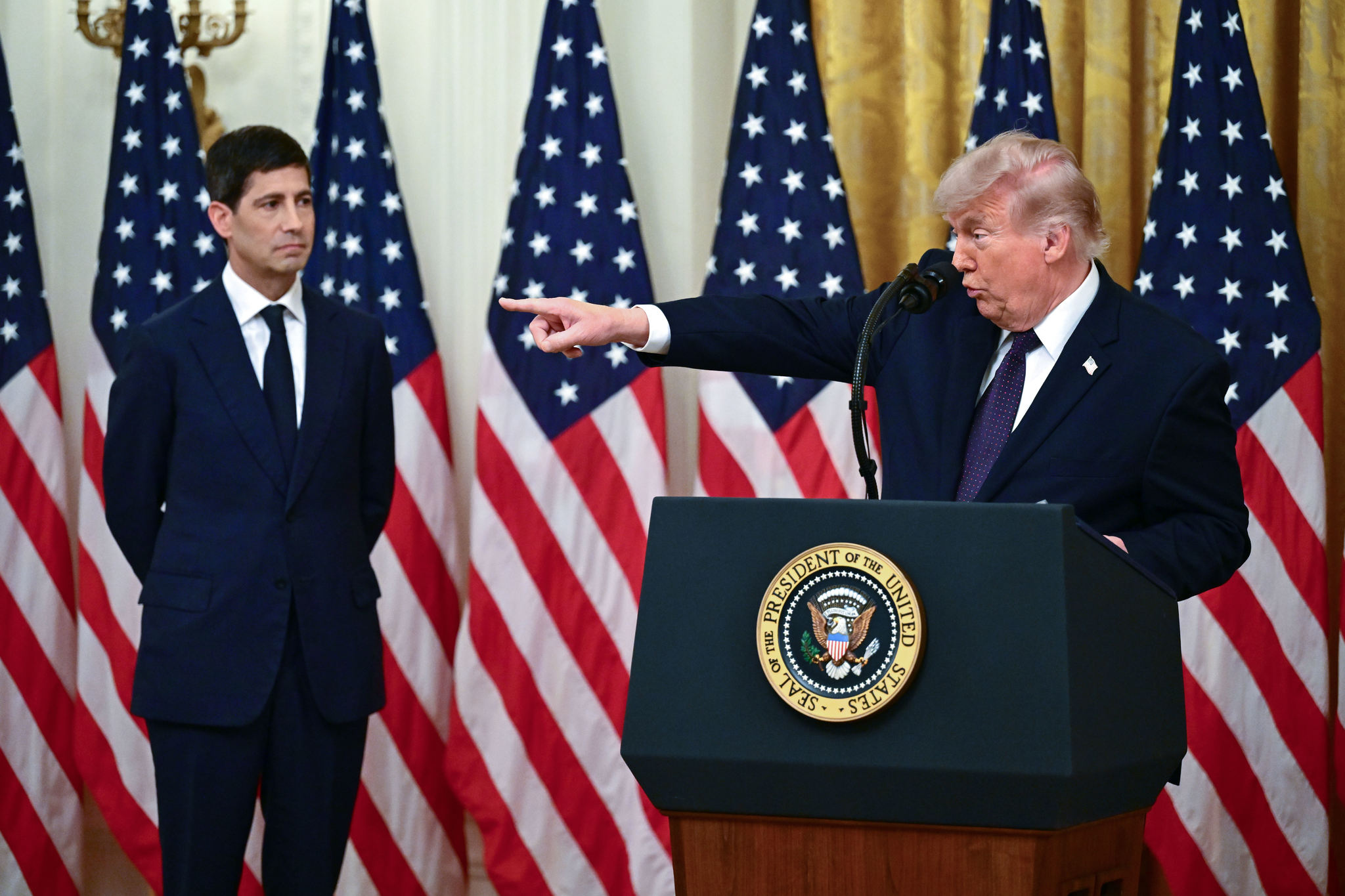
The Federal Reserve is considering a rate hike on Wednesday, but the White House is intensifying pressure on the central bank to lower interest rates. Fed Chair Kevin Warsh often says he enjoys seeing the organization make decisions after a good family feud. However, this week's discussion could escalate into an open war with the United States President, Donald Trump.
While persistent price increases, public debt costs, and employment resilience have led nine out of ten analysts to discount a Fed rate hike, the White House has ramped up its pressure on the U.S. central bank to reduce interest rates. The crossroads under this crossed fire will be the first fire test that Warsh will face, who is risking his credibility in the monetary policy decision-making process that begins today and concludes with the monetary policy decision tomorrow, according to Bank of America.
Despite his debut at the annual central bank bankers' meeting in Jackson Hole in August, Warsh confirmed his commitment to the Federal Reserve's 2% price stability objective and clarified that it cannot be achieved alone, nor is inflation necessarily expected to reverse, showing himself willing to act if necessary. The most decisive signal came from the U.S. inflation data released last Friday, revealing the persistence of price escalation with a new interannual advance of 3.4% in August and a monthly growth of 0.4%.
The figure broke the slight moderation recorded in July, amid the resumption of the conflict between the United States and Iran around the Strait of Hormuz, which has again sparked oil prices above $100 a barrel. However, even taking the underlying rate (which excludes energy and food prices) the deceleration of inflation was only a tenth, maintaining an interannual advance of 2.4%.
Following the publication of the data, markets discounted an approximate 90% probability of a 25 basis point increase in the Federal Reserve's September meeting, up from nearly 70% before the publication, according to UBS. We believe the latest inflation data reinforces arguments for further rate hikes, especially after Fed Chair Kevin Warsh highlighted the lack of satisfactory progress in inflation at Jackson Hole, notes UBS economist Andrew Dubinsky, who expects the hike to reach 50 basis points after the midterm legislative elections in November.
Now we expect the Federal Reserve to raise rates by 25 basis points in September, with the possibility of additional hikes in the future, PIMCO economist Tiffany Wilding says, expecting the hike to reach 50 basis points after the midterm legislative elections in November. Currently, we expect the Federal Reserve to raise rates by 25 basis points in September, with the possibility of further hikes in the future, while Goldman Sachs assumes a 25 basis point hike this morning.
However, they assume that hikes could be limited and, in fact, still maintain the expectation that the Fed will end up approving a couple of cuts in 2027. However, Trump, who previously threatened to make the Fed impose the lowest interest rate in the world if rates were raised, is not willing to wait so long. He has shown himself radically against the possibility of a rate hike, threatening the Fed, with its new and great leader, to humiliate and impose the lowest interest rate in the world. The situation has ended up placing Warsh and Trump on a collision course.
Written by urgent.news from Expansion ES's reporting — not their text. Machine-written — may contain errors; check the original before relying on it.