Korea Exchange after-market draws heavy retail trading, sharp volatility
Kim Ji-ho stared at his stock trading app in confusion on Monday evening. He knew that the after-hours market was opening and noticed that a stock he was interested in had risen 10 percent. But by the time he returned from the bathroom, all the gains had disappeared. "It was a little scary, so I don't think I'll be trading in the after-hours market for a while," said Kim, a 25-year-old college…
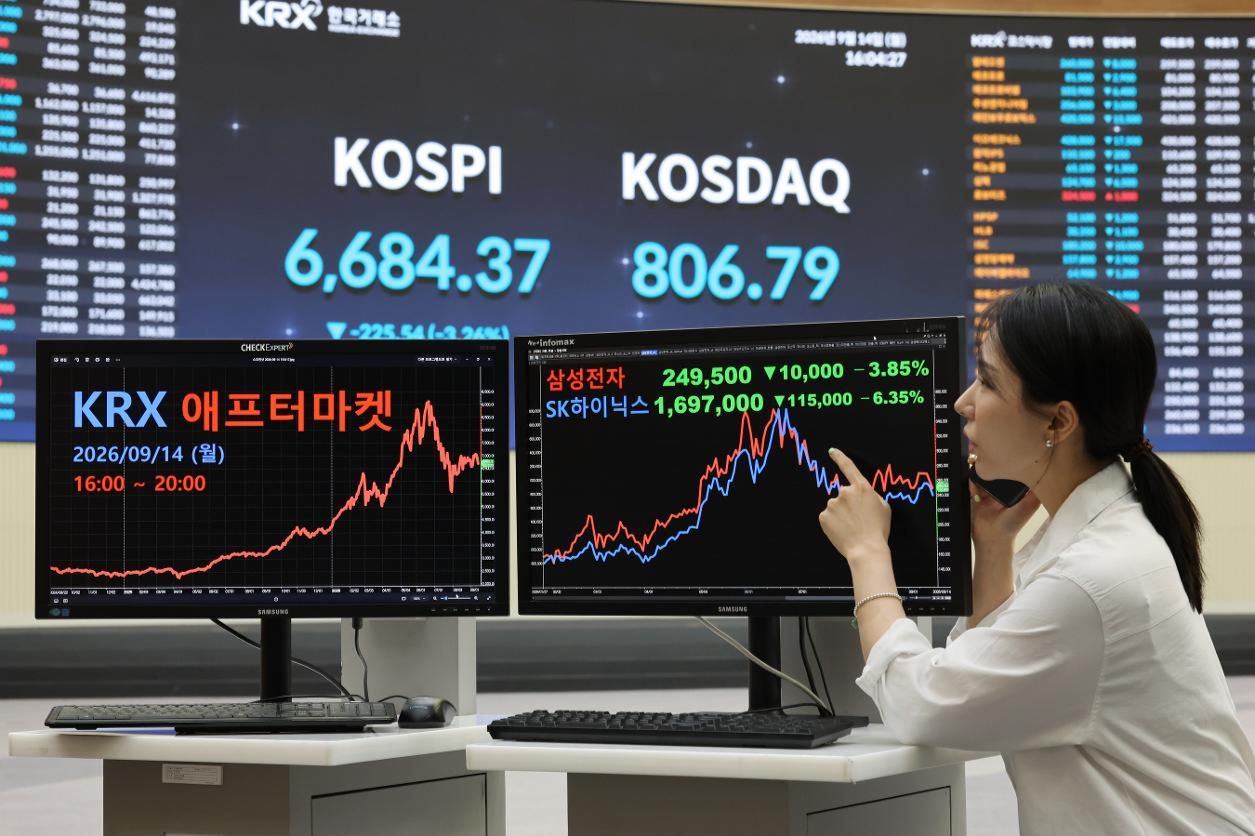
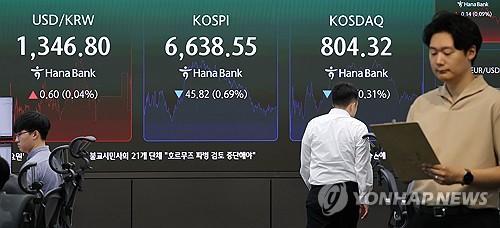
On Monday evening, the Korea Exchange (KRX) extended its stock trading hours, allowing investors to trade almost all listed stocks between 4 p.m. and 8 p.m. This after-market period, also known as the alternative trading system (ATS), drew heavy retail trading activity. Some investors experienced sharp volatility as they navigated this new trading environment.
Kim Ji-ho, a 25-year-old college student, was one such investor. He observed that a stock he had an interest in had risen by 10 percent during the after-hours session. However, by the time he returned from the bathroom, all the gains had disappeared, leaving him feeling confused and uncertain about the trading system. "It was a little scary," Kim said, "so I don't think I'll be trading in the after-hours market for a while."
The extended trading hours came with its own set of challenges. Some brokerages encountered technical glitches, causing frustration among users. Additionally, the dual existence of the KRX and Nextrade after-hours markets added to the confusion, as investors had to switch between two different order screens to manage their trades. The separate markets made it difficult for investors to easily distinguish regular-session closing prices from after-hours prices, further contributing to the overall complexity of the system.
Despite the initial excitement and opportunity for profit that the extended trading hours presented, many investors found the experience less satisfying than expected. The combination of technical issues, confusion over pricing, and cumbersome order screens left a negative impression on those who ventured into the after-market. As a result, it remains to be seen whether investors will continue to engage in the after-hours trading, or if they will return to the regular trading session in the future.
Written by urgent.news from The Korea Times's reporting — not their text. Machine-written — may contain errors; check the original before relying on it.
This story
This is one outlet's version. Read the fullest account.