Key findings from Lucy Letby Thirlwall Inquiry
The inquiry found a "complete failure to protect babies on the neonatal unit" where the nurse worked.
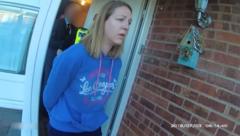
The Lucy Letby Thirlwall Inquiry has concluded with key findings regarding the deaths and near-deaths of babies at the Countess of Chester Hospital. The inquiry's chair, Lady Justice Thirlwall, stated that safeguarding practices could have prevented some of the attacks and murders committed by nurse Lucy Letby. However, she emphasized that it is impossible to determine the exact number of lives that could have been saved.
Thirlwall described a system of dysfunctional management and governance at the hospital, where Letby murdered seven babies and attempted to murder seven others. She noted that if all the babies Letby was convicted of murdering were removed from the annual death figures, the mortality rates would have remained consistent with previous years.
Despite four deaths occurring within two weeks in June 2015, no connection was made to the earlier deaths. If a doctor had acted on the insulin test result for one baby, safeguarding actions could have prevented subsequent attacks and deaths.
Hospital leaders failed to protect babies, leading to a lack of candor with parents, investigators, and regulators. Medical director Ian Harvey and director of nursing Alison Kelly were criticized for controlling information and hiding unfavorable data. CEO Tony Chambers' dictatorial approach hindered the police investigation, which was stalled for almost a year.
Internal and external reviews were criticized for their lack of independence and objectivity. Parents were kept in the dark about concerns regarding their children's safety. Doctors were not given access to the Speak Out Safely whistleblowing policy, leading to unnecessary delays in reporting Letby's misconduct. The report found that hospital executives prioritized minimizing parent distress over baby safety.
Doctors were not given the protection offered by the Speak Out Safely policy, and senior managers attempted to manage out consultants. Letby took a grievance against the hospital in 2017, which was handled deplorably by hospital executives. Police were called into the hospital in 2017, but no safeguarding protocol existed for dealing with deliberate harm. The inquiry concluded that no NHS-wide protocol on deliberate harm currently exists, highlighting the urgent need for change.
Written by urgent.news from BBC News's reporting — not their text. Machine-written — may contain errors; check the original before relying on it.