Kalimantan hotspots surge to 808, raising cross-border haze risk
KUALA LUMPUR: The number of hotspots detected in Kalimantan surged to 808 yesterday, raising the risk of transboundary haze if open burning in Indonesia continues.
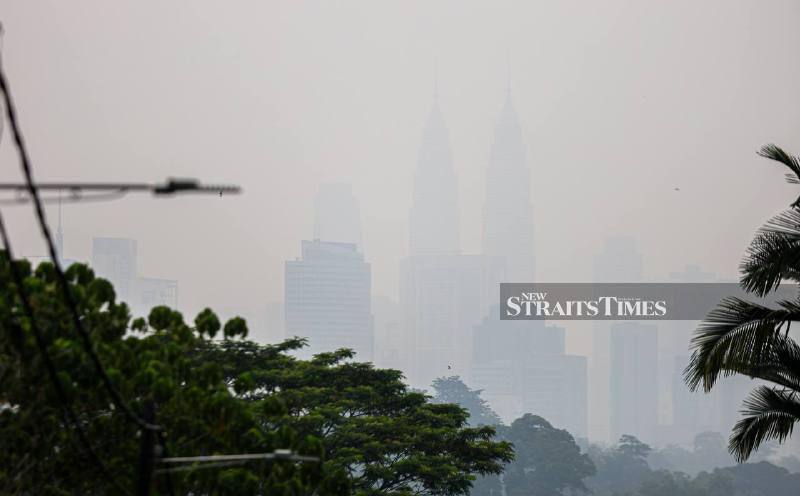
KUALA LUMPUR: The number of hotspots detected in Kalimantan soared to 808 yesterday, increasing cross-border haze concerns if open burning persists in Indonesia. Malaysian Meteorological Department (MetMalaysia) director-general Dr Mohd Hisham Mohd Anip explained that the haze situation hinges on the intensity of open burning in Indonesia and wind conditions potentially transporting smoke to neighboring nations.
The situation depends on ongoing open burning in Indonesia; as long as the fires aren't extinguished, they will continue impacting neighboring countries. The Southwest Monsoon, during which winds flow from Indonesia to Malaysia, is expected to conclude in October, according to Dr Mohd Hisham. Data from the Asean Specialised Meteorological Centre (ASMC) revealed that hotspots in Kalimantan grew from 301 on September 12 to 461 on September 13, and surged to 808 on September 14.
In the same timeframe, ASMC recorded 87 hotspots in Sumatra, 15 in Sabah and Sarawak, and one in Peninsular Malaysia. This data indicated a significant spike in hotspots in Kalimantan over the two-day period, following lower numbers earlier in the monitoring period. However, weather conditions in western Sarawak are anticipated to stay humid throughout the week, which could alleviate the impact of transboundary haze.
Dr Mohd Hisham also mentioned that air quality would likely improve once the Northeast Monsoon begins, changing wind direction. Dry and extreme weather is projected to worsen next year, particularly from January to May. ASMC noted that hotspots were identified using NOAA satellite detection, representing areas where fires likely occurred.
Nevertheless, hotspots might not be detected during cloudy conditions or when satellite coverage is incomplete.
Written by urgent.news from New Straits Times's reporting — not their text. Machine-written — may contain errors; check the original before relying on it.
Also reported by 2 other outlets
- Kalimantan hotspots surge to 808, raising risk of more haze freemalaysiatoday.com
- BMKG warns Kalimantan's haze may spread to Riau Islands en.antaranews.com