JI rejects PM Shehbaz’s fuel relief scheme, says it cannot substitute for abolition of petroleum levy
ISLAMABAD: The Jamaat-i-Islami (JI) on Tuesday rejected the prime minister’s Fuel Relief Scheme, saying it could not substitute for the abolition of the petroleum levy. On Sunday, PM Shehbaz announced a “ relief scheme ” for users of motorcycles, rickshaws and vehicles of up to 800cc to “alleviate the burden” of rising global oil prices. The JI delegation, led by JI Deputy Emir Liaquat Baloch and…
The Jamaat-i-Islami (JI) has rejected Prime Minister Shehbaz Sharif's Fuel Relief Scheme, asserting that it cannot replace the complete abolition of the petroleum levy. On Sunday, Sharif unveiled a relief scheme aimed at easing the impact of soaring global oil prices on motorcycle owners, rickshaw pullers, and drivers of vehicles not exceeding 800cc.
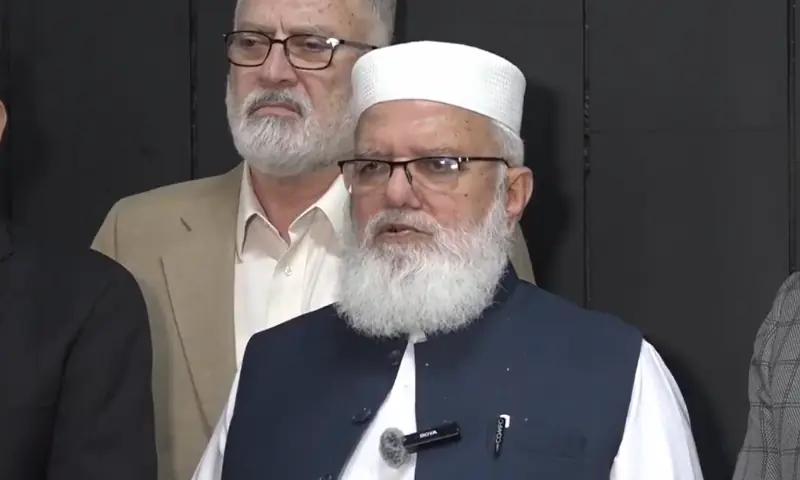
A delegation from JI, led by Deputy Emir Liaquat Baloch and including Syed Farasat Shah, Nasrullah Randhawa, Inayatullah Khan, and Ziauddin Ansari, engaged in the third round of discussions with the government in Islamabad.
During a press briefing, Baloch stated that the government task forces briefed the JI party on petroleum prices and the status of negotiations with Independent Power Producers (IPPs). Energy Minister Awais Khan Leghari informed the JI delegation about the progress in talks with IPPs. Baloch categorically rejected the proposed Rs100 petrol relief, emphasizing that the party's protest movement would persist until the petroleum levy is entirely abolished.
He argued that the government was attempting to alleviate public pressure through temporary relief measures, whereas genuine relief could only be achieved through the withdrawal of the levy.
According to Baloch, taxes and levies impose an additional burden of around Rs130 on consumers. He contended that reducing this burden would provide genuine relief to the populace. Criticizing the ruling elite, Baloch accused the government of failing to cut its own expenditures and accused successive administrations of favoring influential groups, including the sugar mafia.
Regarding the IPP issue, he informed the JI delegation that negotiations with 54 IPPs had concluded, while discussions with another 36 IPPs were in advanced stages. Baloch questioned why the benefits of these savings had not been extended to the public, given the substantial Rs4,600 billion saved.
Written by urgent.news from Dawn - Pakistan's reporting — not their text. Machine-written — may contain errors; check the original before relying on it.