Irreversible surgery as a baby left Stephanie with lifelong questions that are only now being answered
When Linda Brodie gave birth to her baby it was a "joyous moment" but a decision-made soon after to undertake surgery changed her daughter's life.
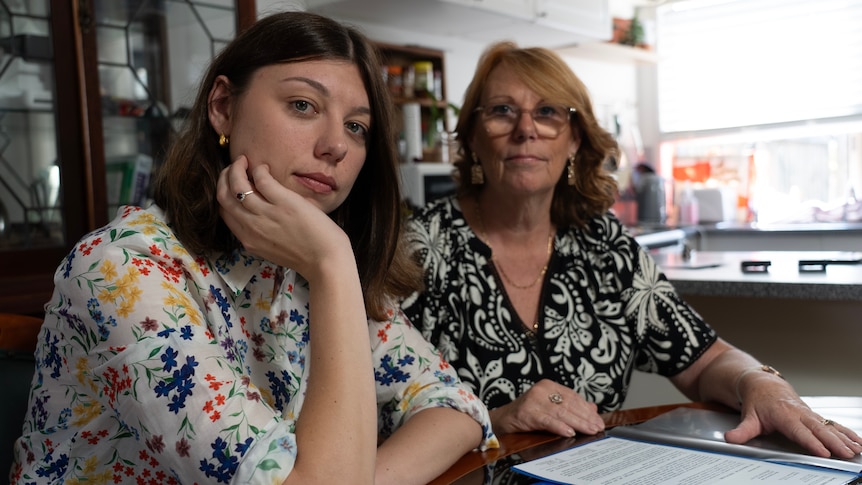
In 1995, Stephanie Saal was born with an intersex variation, a condition that affects 1.7% of births and involves genital, hormonal, and chromosomal variations that don't align with typical male or female bodies. Doctors performed irreversible surgery to remove her ovaries and uterus shortly after her birth due to fears of cancer.
This decision has left Stephanie with numerous "what-if" questions and a feeling of losing a potential future as a mother. Her mother, Linda, described the initial joy of her daughter's birth, only to be met with confusion and pressure to make a rapid decision about her gender. Despite her efforts, Stephanie has been unable to access her original medical records, but recent revelations in documents obtained through a right to information request provide some answers.
The reports indicate that the removed gonads showed no signs of malignancy at the time. Health experts, like pediatric endocrinologist Dr. Jacky Hewitt, emphasize the importance of involving intersex individuals in decisions regarding their healthcare and the evolving understanding of cancer risks. They also note that while fertility preservation in intersex cases is challenging, future scientific advancements may change this landscape.
Stephanie now advocates for legal reforms to prevent irreversible procedures on children with sex characteristic variations, a push that has gained traction in some jurisdictions like Victoria and the ACT.
Written by urgent.news from ABC News AU's reporting — not their text. Machine-written — may contain errors; check the original before relying on it.