Iran war has cost US military US$38 bn: Congressional Budget Office
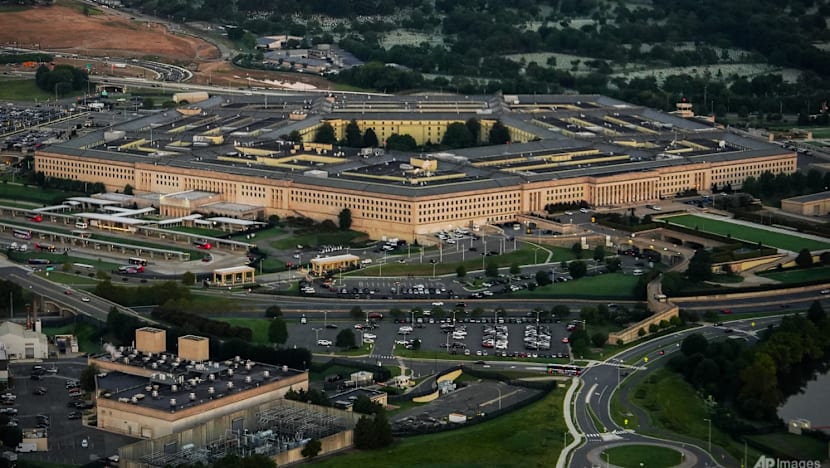
One of the Pentagon’s largest costs has been the US$21.7 billion spent replacing munitions used in the conflict.
As of August 1, 2026, the United States military's involvement in the Iran war has resulted in an estimated cost of around US$38 billion, according to the nonpartisan Congressional Budget Office (CBO). The report, released on September 15, 2026, highlights that the war's financial burden continues to rise as long as hostilities persist.
The primary expense has been the replacement of munitions and equipment lost in combat, which amounted to US$21.7 billion by August 1, 2026. This represents the largest single component of the Defense Department's costs in the conflict.
The report also warns that monthly costs could range between US$2 and US$3 billion or more, depending on the intensity of the violence. Beyond munitions, the war has driven up fuel costs for the military, further adding to the overall expenses. The report explains that the replacement of expended munitions and equipment, along with increased fuel costs, account for the majority of the military's financial burden in the conflict.
One of the most significant opportunity costs for the Department of Defense has been the depletion of missile defense interceptors, which has left the United States with a reduced inventory for several years. The CBO estimates that the United States has likely used between half and two-thirds of its inventory of these critical munitions since June 2025, based on comparing the reported expenditures with the total numbers purchased by the department.
The analysis was prepared following a request by Brendan Boyle, the top Democrat on the House Budget Committee, along with other Democratic lawmakers. In July, Defense Secretary Pete Hegseth had estimated the Iran war had cost US$37.5 billion. However, the CBO's estimate suggests that the overall impact on the U.S. economy has been primarily due to inflationary pressure resulting from disruptions in oil and natural gas supplies caused by Iran's actions.
Notably, Iran's retaliation in the war included blocking the Strait of Hormuz, a crucial waterway for oil shipments, which has led to soaring oil costs. The CBO now estimates that inflation in the first quarter of the following year would be 0.5 percentage points higher than what was projected in February, specifically referring to the personal consumption expenditures price index.
Even core inflation, which strips out the volatile food and energy segments, would likely be 0.3 percentage points higher than earlier predicted.
The higher inflation, in turn, is expected to boost interest rates on Treasury securities, according to the report. The CBO's report provides a comprehensive overview of the financial implications of the Iran conflict for the U.S. military and the broader economy, emphasizing the significant costs incurred and the potential long-term economic consequences.
Written by urgent.news from Channel News Asia's reporting — not their text. Machine-written — may contain errors; check the original before relying on it.
Also reported by 1 other outlet
- US military says 103 commercial ships redirected in Iran blockade middleeasteye.net