Iran cannot have it both ways
Those observing the past few days in the Middle East will have witnessed alarming Houthi gains in Yemen and the shelving of Iran-Gulf talks planned for Oman. It is likely that those same observers will also perceive a clear contradiction in Tehran’s approach; Iran cannot credibly seek better relations with its Gulf neighbours while continuing to enable armed groups that threaten and attack those…
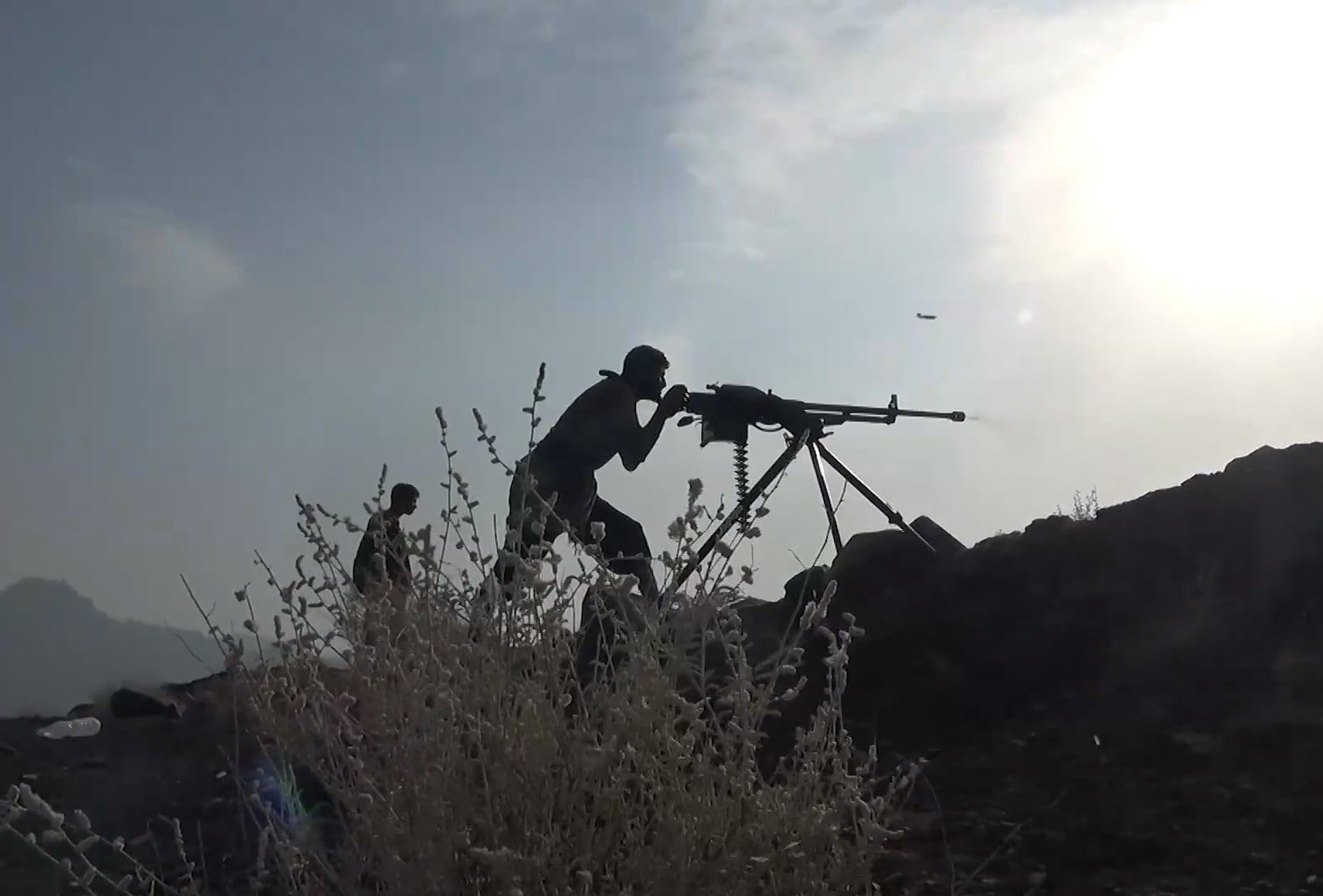
Recent developments in the Middle East have exposed a stark contradiction in Iran's approach. While Tehran seeks improved relations with Gulf neighbors, it simultaneously enables armed groups that threaten those same nations. This contradiction was evident in Yemen, where the Houthi rebels, supported by Iran, have launched numerous attacks on Saudi Arabia, displacing over 80,000 people and hindering diplomatic progress.
The Iran-Gulf talks planned for Oman have been shelved due to this ongoing conflict and the threat of a wider regional war.
The Houthis, backed by Iran, are not only attacking Saudi Arabia but also targeting one of the world's most crucial maritime corridors, the Bab Al Mandeb. This escalation not only poses a threat to Gulf countries but also creates a significant pressure point for international shipping and energy supplies, further exacerbating the suffering of Yemeni civilians caught in a protracted conflict.
Djibouti has reported over 2,000 Yemeni refugees arriving on its shores from the Red Sea, underscoring how the conflict is spreading beyond Yemen's borders. Iran cannot have it both ways; it must choose between seeking better relations with its Gulf neighbors and enabling its regional proxies to project power against them. While diplomacy remains necessary, any future understanding between Tehran and the Gulf countries must address the full spectrum of Iranian regional power, including its missiles, drones, and support for armed groups, as well as the threats to maritime routes.
Gulf countries have a vested interest in a more stable relationship with Tehran. However, the region's geography makes endless confrontation an unattractive proposition for all parties involved. Building stability cannot be built on assurances while missiles are being launched and armed rebels advance through Yemeni towns and cities.
The failure of recent talks highlights the need for Tehran to demonstrate that its ambitions do not come at the expense of its neighbors' security. Until Tehran reconciles these realities, diplomacy will remain vulnerable to the regional power plays it aims to overcome.
Written by urgent.news from The National UAE's reporting — not their text. Machine-written — may contain errors; check the original before relying on it.
This story
This is one outlet's version. Read the fullest account.
- Iran cannot have it both ways thenationalnews.com