How Okinawa’s political shift could make Japan more prepared for a Taiwan contingency
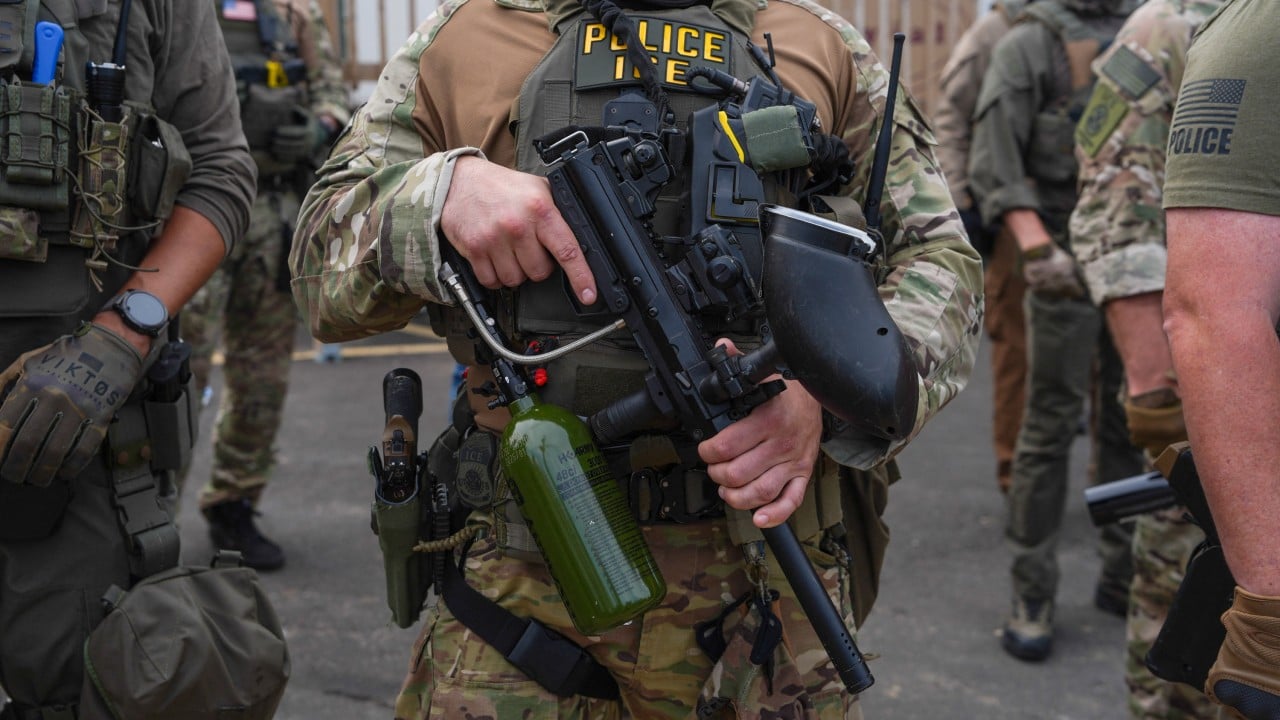
Okinawa’s election on Sunday of a governor backed by Japan’s ruling party ended 12 years of local leadership opposed to the relocation of a US airbase and elements of Tokyo’s defence build-up plans. While experts say that Genta Koja’s victory will not give Tokyo any new military authority in the region, it could lead to closer integration of civilian infrastructure into Japan’s defence network in…
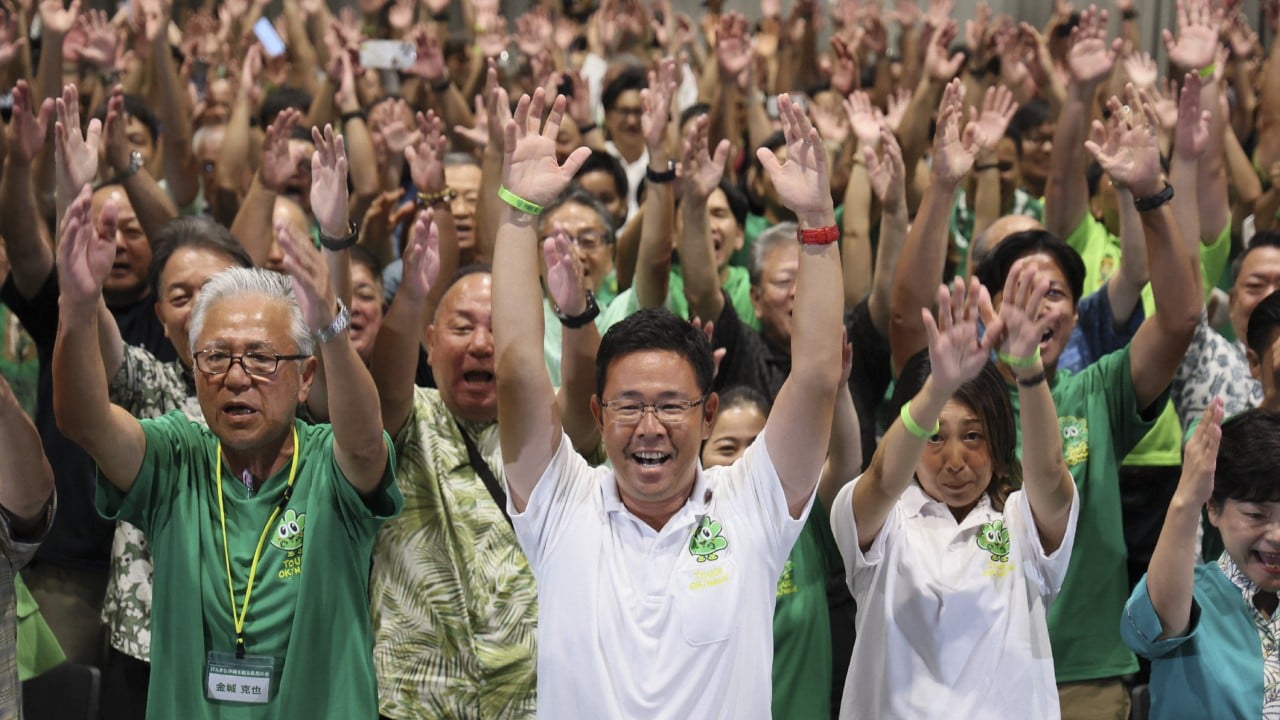
Okinawa's recent gubernatorial election has resulted in a victory for a candidate supported by Japan's ruling party, marking the end of a 12-year period of local leadership that opposed the relocation of a US airbase and other defense build-up plans. While experts argue that Governor-elect Genta Koja's win will not grant Tokyo additional military authority in the region, it may lead to a closer integration of civilian infrastructure into Japan's defense network, particularly in case of a conflict with China over Taiwan.
Political analysts suggest that Koja's election could provide Japan's government with "room to expand its so-called Nansei shift," which involves concentrating its military buildup in the southwestern part of Japan to deter China's military presence in the East and South China Seas. While this shift may have occurred regardless of the election result, a prefectural government backed by Prime Minister Sanae Takaichi's Liberal Democratic Party is expected to move "less noisily and perhaps faster."
Koja has, however, drawn limits on his support for Tokyo's defense build-up. During the campaign, he acknowledged the need for the Nansei shift but believed that there was no immediate need to deploy long-range missiles in Okinawa. The most notable shift in Koja's political stance is his acceptance of the relocation of the US Marine Corps' Futenma airbase in Ginowan, a densely populated area on Okinawa's main island.
Previously, Okinawan governors had opposed relocating the base within the island, but Koja now supports the move, albeit with a demand for a clearer timetable for the closure of the Futenma base.
The Henoko airbase's significance lies not only in expanding the US military presence in the region but also in potentially making its presence more durable in Okinawa, reducing political friction over the alliance's forward posture near Taiwan. Additionally, Tokyo's "specified-utilisation" program, which aims to make selected civilian airports and ports more usable by the Self-Defence Forces (SDF) and Japan Coast Guard, could be significantly impacted by Koja's victory.
Currently, Okinawa's main airport at Naha and three other prefecture-managed facilities (Ishigaki and Hirara ports) are included in the program, while Ishigaki Airport, Miyako Airport, and Nakagusuku Bay Port remain excluded.
Koja's potential support for expanding the program to include Ishigaki Airport, Miyako Airport, and Nakagusuku Bay Port would be a significant development, as these facilities could enhance Japan's defense infrastructure and Okinawa's role as a defense hub in the region. This would be particularly beneficial for evacuation operations in the case of a Taiwan contingency.
However, the increased military use of these sites could also invite closer Chinese scrutiny and expose them to potential attack in a conflict, as noted by associate professor Misato Matsuoka from Teikyo University.
Written by urgent.news from Reuters Business via SCMP's reporting — not their text. Machine-written — may contain errors; check the original before relying on it.
This story
This is one outlet's version. Read the fullest account.