How I Built a Zero-Dependency Wordle Clone with Vanilla JavaScript
A practical walkthrough of building a lightweight Wordle-style game with vanilla JavaScript, localStorage, deterministic word rotation, and no backend.
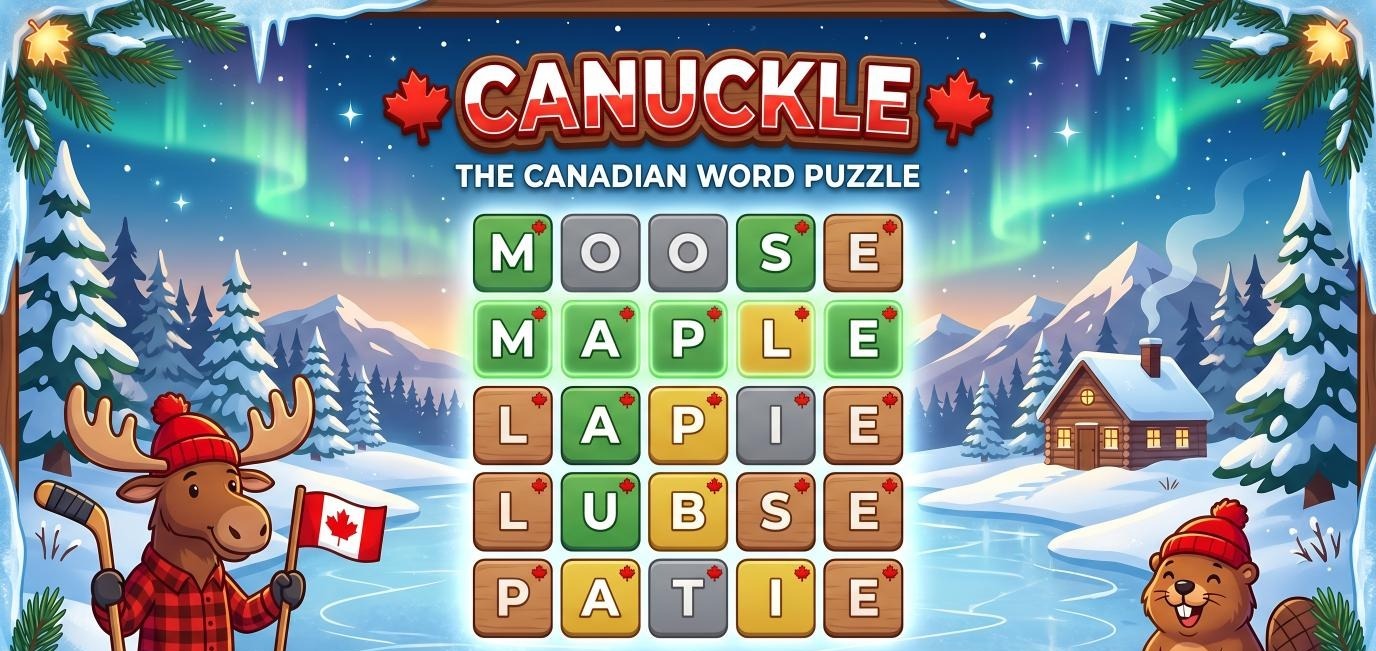
The viral success of Josh Wardle's Wordle launched a wave of word puzzle clones, prompting many developers to use heavy frameworks like Create React App or Next.js. However, for a simple 5-letter word guessing game, a more lightweight approach using vanilla JavaScript, HTML5, and CSS3 is far more suitable. This story outlines how to build a Canadian-themed Wordle clone named Canuckle with these technologies, achieving lightning-fast initial render times and zero external dependencies.
The project focuses on three core pillars:
1. Deterministic Daily Word Selection - Rather than fetching the word of the day from a backend API, the client-side code calculates the target word using an epoch-based offset index. This ensures every player globally sees the exact same puzzle each day, without needing a centralized database.
2. The Duplicate Letter Trap in Word Evaluation - The core challenge in a Wordle clone is accurately handling duplicate letters. The solution runs in two passes: first marking exact matches, then marking misplaced letters while accounting for letter counts. This pure JavaScript logic prevents incorrect color highlighting when duplicates exist.
3. Lightweight State Serialization - To maintain game state across page reloads, the app uses localStorage to save and load data like streak counts, guess history, and game status. On init, the code checks if the day has changed and resets the board accordingly.
Building Canuckle without a framework delivers tangible benefits: ultra-lightweight payload (under 15KB), no build configuration headaches, and direct DOM control via vanilla JavaScript. This approach keeps web projects fast, robust, and easy to maintain, proving vanilla JavaScript remains a powerful tool for crafting engaging utility applications.
Written by urgent.news from HackerNoon's reporting — not their text. Machine-written — may contain errors; check the original before relying on it.