How China and Nepal are battling flood rumours online
CHINA and Nepal have taken different approaches to information after a Himalayan flood, shaping what the public saw of a disaster that killed more than 1,400 people.
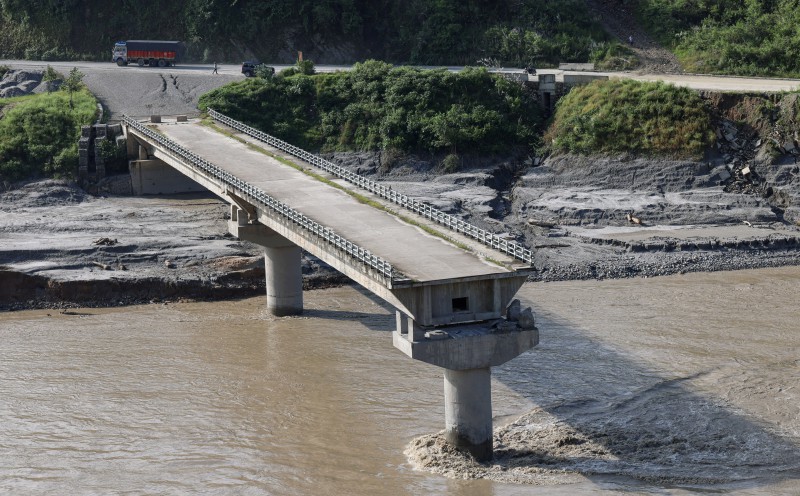
China and Nepal have taken distinct measures to combat online misinformation following a devastating flood on the border between the two countries, which resulted in over 1,400 deaths. The catastrophic event, a flash flood triggered by a glacial mountain collapse, left an estimated 5,650 people missing, including numerous foreigners.
Both nations have actively targeted false posts about the disaster; however, China has taken more extreme measures to suppress eyewitness footage and penalize individuals questioning official statistics.
Chinese state media provided scant information about the victims' families and emphasized the recovery efforts of emergency workers in Tibet, an area with limited media access. Meanwhile, Nepal has pressured social media platforms and news outlets to remove false images, including those debunked by AFP fact-checkers, while regularly updating death tolls on social media. The Press Council of Nepal has requested the removal of content from over 100 social media accounts, with most complying.
One individual was arrested for allegedly sharing a fabricated donation to a relief fund to promote his personal account. The flood occurred on the same day as the one-year anniversary of anti-corruption protests that ousted the previous government. China penalized 10 individuals for spreading falsehoods online, including those who claimed the death toll was higher than the official figures.
Beijing maintains that information dissemination has been "open, transparent, and timely," and criticized the "malicious smearing and sensationalism" of the disaster. They have also arranged a limited number of foreign media visits to the disaster's epicenter in Tibet.
AFP fact-checkers have debunked numerous claims about the floods in multiple languages. A fabricated video that claimed to show the glacial collapse causing the flooding was filmed in Alaska days prior to the actual event. Another AI-generated footage of water breaching a riverbank amassed millions of views. Despite targeting fabrications, both nations have also taken action against posts sharing genuine footage.
Nepali authorities have engaged in discussions with Meta and TikTok to expedite the removal of AI-generated content, graphic images, and fraudulent aid schemes. Both platforms compensate AFP for fact-checking potentially false information. Following the disaster, Chinese platforms like Douyin and Weibo have predominantly featured state media coverage of rescue operations, omitting details about the missing and families' reactions.
AFP fact-checkers found misinformation related to the flood is scarce on Chinese platforms, though conspiracy theories have proliferated internationally, alleging China lied about the death toll and that its dam projects caused the disaster. Nepalese rescuers have recovered 1,369 bodies, while approximately 5,132 individuals remain missing.
In China, the official death toll is 43, with 519 people still unaccounted for. The disparity in reported figures may be attributed to the geographical and scale differences of the disaster, with the glacial collapse occurring in downstream Nepal, resulting in a powerful wave of debris that devastated China's high-altitude border post in Tibet before causing destruction in Nepal.
Written by urgent.news from New Straits Times's reporting — not their text. Machine-written — may contain errors; check the original before relying on it.