How Canada’s Trump headache is fuelling a China trade boom
Canada’s exports to China jumped by 30.1 per cent in the first half of 2026, led by crude oil, copper and other energy and mineral products, as Ottawa stepped up efforts to diversify trade ties amid growing tensions with its largest trading partner, the United States. Exports to China reached C$21.74 billion (US$15.63 billion) over the period, marking the highest first-half value since 1997,…
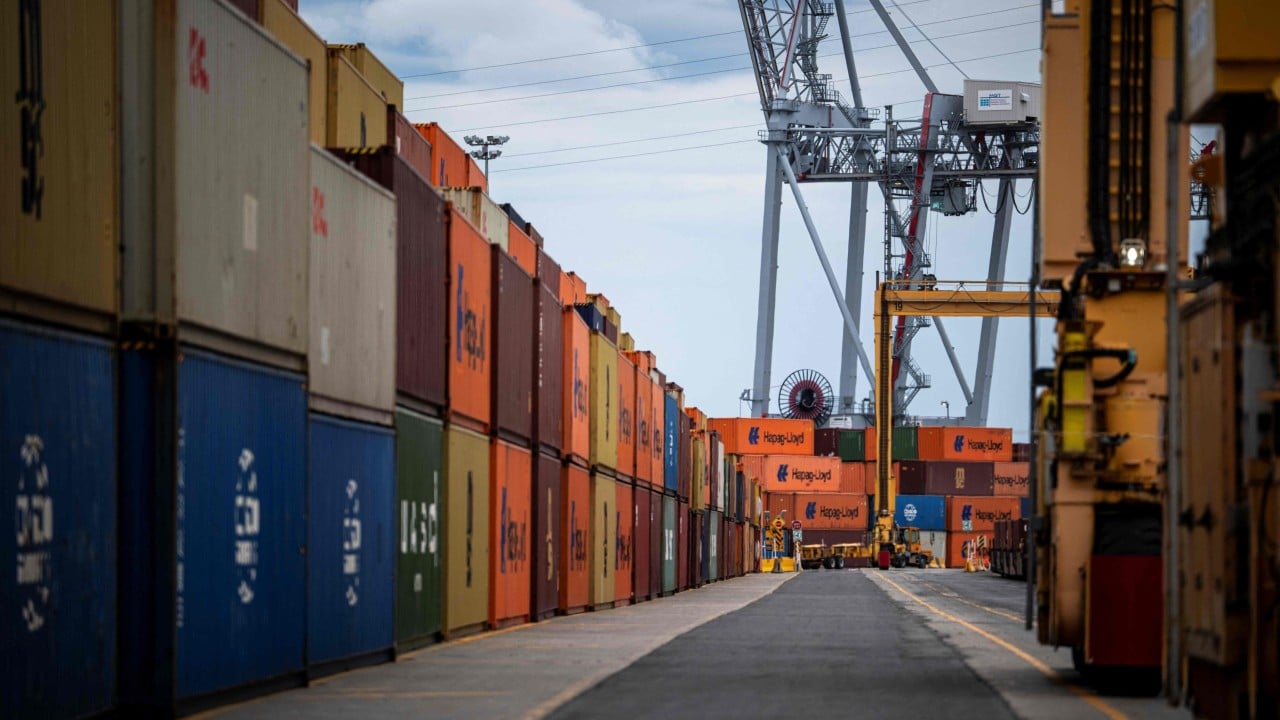
Canada's exports to China soared 30.1% in the first half of 2026, driven by energy and mineral products such as crude oil and copper. Canadian shipments to the Asian nation reached C$21.74 billion (US$15.63 billion), the highest first-half value since 1997, according to a trade report from the Canada China Business Council and the China Institute at the University of Alberta.
Energy products accounted for 35.8% of exports, up 81.8% year-over-year, while metal ores and non-metallic minerals contributed 22.6%, a 29% increase. Crude petroleum exports more than doubled to C$5.96 billion, adding C$3.2 billion to the overall growth. Zhou Mi, a researcher at the Chinese Academy of International Trade and Economic Cooperation, said the surge highlighted Canada's supply aligning with China's demand for energy and critical minerals.
Diversifying trade partners has been a Canadian objective, and the strategy is accelerating amid rising tensions with the United States. The US-China trade dispute under President Donald Trump, who publicly threatened to annex Canada and raised tariffs against the country, has intensified. Chinese analysts noted Canada's pragmatic approach in improving relations with Beijing as a means to "de-risk" from the United States.
Tensions arose from US efforts to limit Canada's economic engagement with China, which Ottawa saw as an infringement on its sovereignty. Canada aims to double exports to non-US markets over the next decade, with China playing a key role. The Trans Mountain Expansion Project, an oil pipeline system providing a US alternative to US pipelines, underscores the potential benefits of stronger energy ties between the two nations.
Written by urgent.news from South China Morning Post's reporting — not their text. Machine-written — may contain errors; check the original before relying on it.