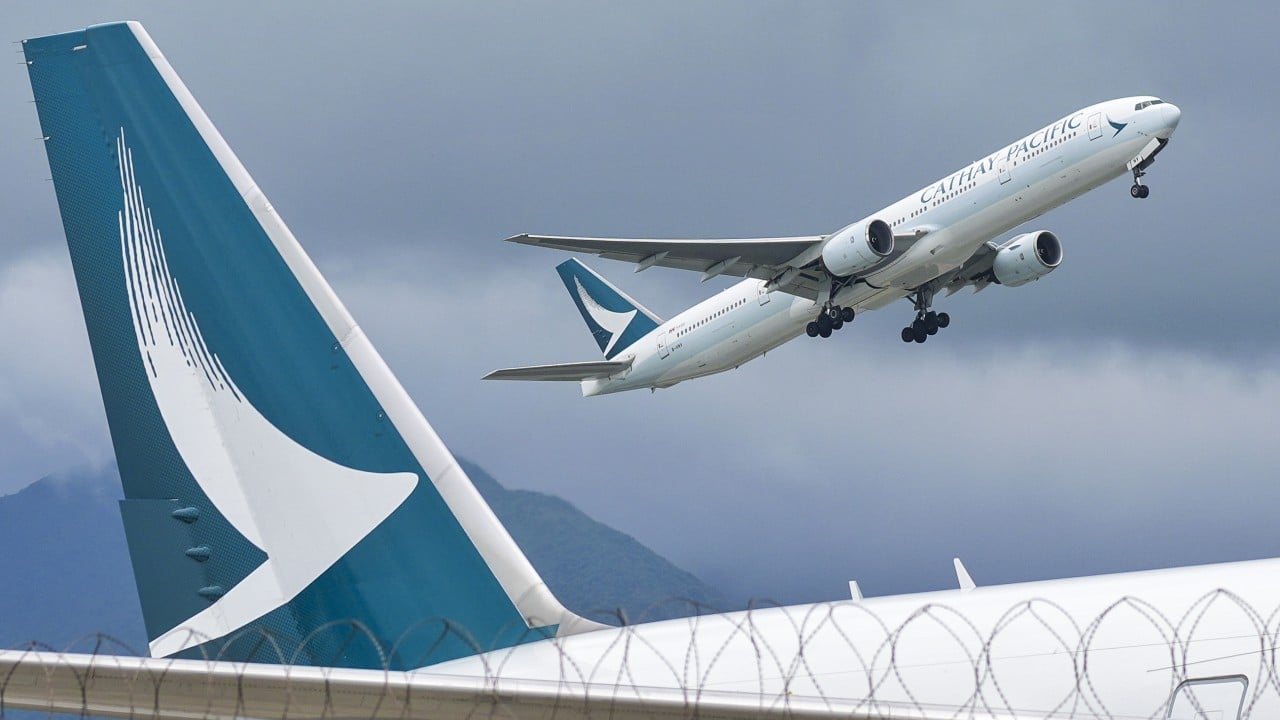
Hong Kong finance chief urges Cathay to keep fares attractive, add routes
Hong Kong’s finance chief has called on Cathay Pacific Airways to offer attractive fares and expand its route network, as China’s national development plan reinforces the city’s status as a global aviation hub. Speaking at Cathay’s 80th anniversary celebration on Tuesday, Financial Secretary Paul Chan Mo-po described the flag carrier as more than just a transport provider, calling it an…
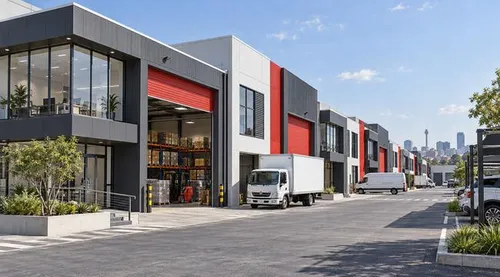
Many technology startups face challenges beyond invention, with the post-research stage often proving the most daunting. Breakthroughs in labs, working prototypes, and early customer pilots demonstrate feasibility, yet scaling the business remains a significant hurdle. Founders must secure customer payments, patient capital, production partners, regulatory backing, and eventually, market access through public markets.
Hong Kong has recognized this challenge and is positioning itself as a key bridge to overcome these obstacles, drawing on public funding, private investment, industry collaborations, and links to the Greater Bay Area's manufacturing resources. The effort is crucial not just for Hong Kong, but for Southeast Asia as a whole, where governments and investors are seeking ways to transform research, engineering talent, and early-stage startups into globally competitive companies.
The most precarious period for deeptech companies occurs after proving product-market potential but before achieving maturity for mainstream capital investment. Biotech startups may require years of clinical development before generating revenue, while robotics, semiconductor, and other hardware companies need costly manufacturing, field testing, and supply-chain partnerships before they can demonstrate consistent cash flow.
At this juncture, traditional bank loans are scarce, and later-stage institutional investors often deem the risks too high. HKSTP, the Hong Kong Science and Technology Parks Corporation, is addressing this financing gap. Established in 2015, its Venture Fund manages HK$1 billion (~US$128 million) across 117 technology companies, with each HK$1 investment generating an average of HK$13 in private-market investment.
A separate HK$500 million (~US$64 million) public-private fund is part of the Co-Acceleration program, combining capital with industry resources, expertise, and market access for deep-tech companies. While public funding alone is insufficient for building large enterprises, it can serve as a catalyst by reducing early risks, attracting private investors, and connecting startups with customers.
Hong Kong's ecosystem has already yielded notable successes, with 23 companies from its innovation network going public by the beginning of the year, covering areas such as artificial intelligence, life sciences, robotics, and semiconductors. Notable examples include Insilico Medicine, an AI drug-discovery company that established an R&D center in Science Park and listed on the Hong Kong stock exchange in late 2021, raising HK$2.277 billion (~US$292 million).
However, a single public listing does not signify a thriving ecosystem. Consistently moving from research to pilot projects, pilots to commercial contracts, small-scale production to volume manufacturing, and private capital to public-market readiness is essential for long-term success. For Southeast Asian founders, the importance of this ecosystem is underscored by the region's growing sophistication in consumer internet, fintech, and logistics sectors, but the dearth of similar support structures for deep-tech industries.
Hong Kong's appeal lies in its capital market, research institutions, intellectual-property protection, and access to international investors. However, its true competitive edge is its connection to the Greater Bay Area, a network of cities including Shenzhen, Guangzhou, and Dongguan. This proximity enables startups to access engineering expertise, suppliers, prototyping facilities, and manufacturing capacity in the region, while leveraging Hong Kong for finance, legal structuring, and global market access.
As innovation increasingly spreads across multiple markets, Hong Kong's unique position as a commercialization hub becomes increasingly valuable.
Written by urgent.news from e27's reporting — not their text. Machine-written — may contain errors; check the original before relying on it.
This story
This is one outlet's version. Read the fullest account.