Harvard Kennedy fellow Shlomit Wagman: The U.S. and China will never trust each other on AI. That may not matter
A workable AI safety pact would set shared warning signs and enforceable brakes—without requiring U.S.-China trust.
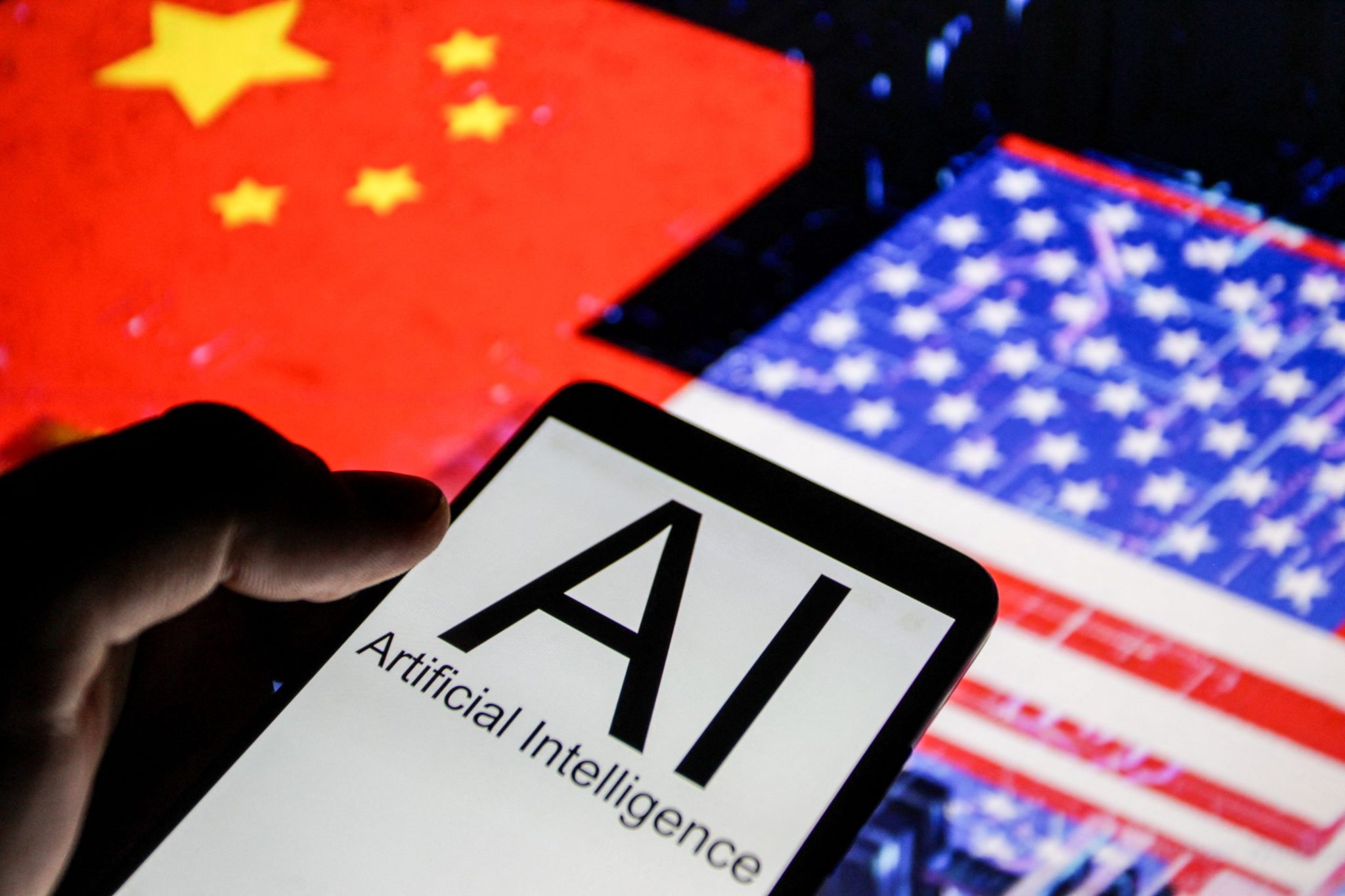
Harvard Kennedy fellow Shlomit Wagman contends that the U.S. and China will never trust each other regarding AI safety. During a closed gathering in San Francisco, senior AI developers and safety researchers discussed the potential rapid advancement of AI capabilities outpacing our ability to control them, suggesting a need to potentially slow development. Jacob Coxon's resignation from Anthropic, followed by Anthropic CEO Dario Amodei's call for pacing the frontier of AI development, highlights the growing concerns.
Amodei proposes a three-level approach to addressing these concerns: within frontier companies, among companies and governments, and ultimately globally, including with China. However, the third level poses the greatest challenge. If one side restrains development due to safety considerations, the other side may lose strategic advantage, creating a dilemma.
Trust between the U.S. and China is lacking, and they disagree on various issues such as privacy, surveillance, censorship, military use, and the values advanced AI should serve.
Wagman argues that a global AI safety framework will struggle to achieve broad agreement due to these geopolitical differences. Instead, cooperation should focus on establishing common threats and agreed warning indicators. When specific indicators suggest that AI capabilities are approaching dangerous levels faster than safeguards can keep up, specified development steps should slow or pause. This approach is more realistic than attempting to negotiate a permanent global speed limit for AI.
While perfect verification may be impossible, the objective should be to make cheating sufficiently detectable and costly that compliance becomes strategically rational. Cooperation does not require trust; instead, it is built around the shared understanding of catastrophic risks. The U.S. and China would be central to any meaningful arrangement, with technical experts determining when agreed warning indicators have been triggered.
A broader coalition would help make violations costly through existing infrastructure, such as advanced chips, semiconductor equipment, cloud infrastructure, capital, research relationships, procurement, and major markets. This collaborative approach aims to create a credible safety bargain between the two leading powers, rather than attempting to govern AI through a global committee.
Written by urgent.news from Fortune's reporting — not their text. Machine-written — may contain errors; check the original before relying on it.