HARD ROW TO HOE: Bread & Wine: What’s the future of wheat and wine farming? (Part Six)
Wine increasingly needs weddings, restaurants and wealthy owners. Wheat needs scale, outside income and good rain. What happens when the crops can no longer pay for the landscape?
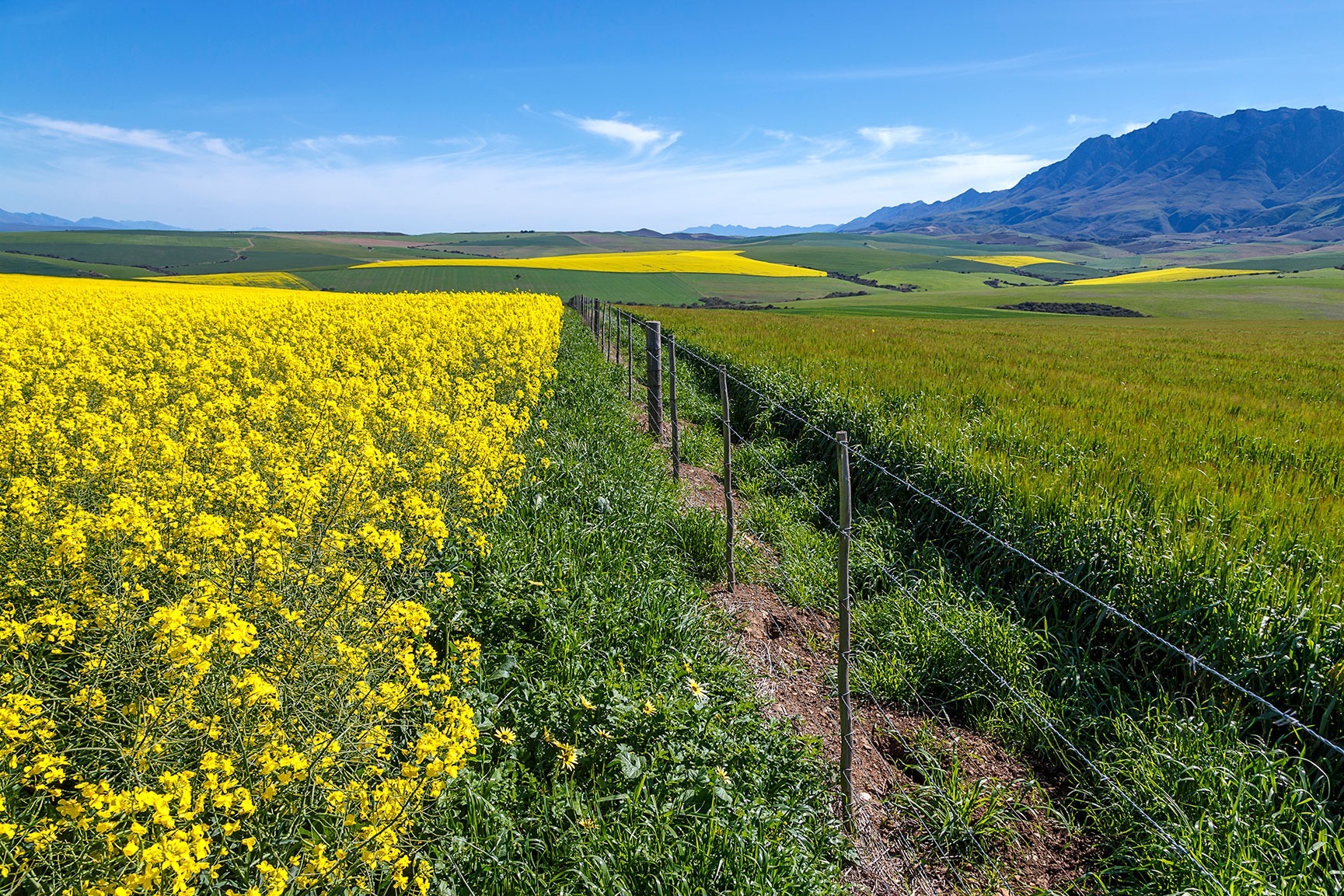
The Cape's bread and wine country appears stable from the road, with wheat fields and vineyards situated on mountain slopes. However, behind the scenes, both crops face the question of whether the harvest can continue to support the farm. For wine, the answer is increasingly dependent on the surrounding attractions, including restaurants, cottages, wedding venues, olive oil, tasting rooms, and outdoor activities.
Wine estates now serve as a mix of a farm, a theatre set, and a desirable place for lunch. While this arrangement can preserve jobs and open land, it alters the nature of farming, requiring vineyard owners to also act as hoteliers, restaurateurs, and brand managers, or find investors willing to support the lifestyle and experience offered by the land.
Wheat farming, on the other hand, lacks the same glamorous support. There is no tasting room or wedding spot alongside a grain field, making it solely reliant on scale, diversification, and adequate income from elsewhere. Modern farming promises efficiency through machinery, chemistry, and precision, yet each advancement comes with a higher price tag.
Equipment increases costs, and variable input prices along with unpredictable weather pose challenges to a crop that needs favorable weather conditions to thrive. When farming margins are healthy, a bad season is merely painful; when they are already depleted, it determines whether a farmer can afford to plant again.
The land itself acts as a silent sponsor, without its costs being reflected on the final product. Farming has long exploited the soil, rivers, and remnants of the Cape's original vegetation without accounting for these resources in the product price. Monocrops require defense against weeds, fungi, and insects, and cheaper methods often use harsher chemicals, while more careful techniques may save costs, disturb the soil less, and employ more workers, but narrow profit margins can render such virtues an expensive optional choice.
This illustrates why the chemical argument cannot be reduced to good farmers and bad farmers; the system demands cheap, uniform crops, and this is the ultimate bottom line.
The apparent affordability of bread and wine hides various hidden costs, such as the farmer's capital, unpaid risks, supporting side businesses, slowly simplified soil, and the public landscape enjoyed for free. The reality is that these goods come with a price, and the market rewards those who produce the cheapest items. The postcard view of Cape's wine and wheat landscape may remain unchanged, but the underlying business model may expire.
The challenge for the Western Cape is finding models of survival that offer protective buffers during hard times, whether through farming methods, wedding venues, tourist attractions, offshore fortunes, or consecutive years of favorable weather conditions. This challenge is not merely about making dough rise or grapes ferment, but rather about discovering ways to ensure sustainability and stability in an economy that frequently punishes care and hard work.
Written by urgent.news from Daily Maverick's reporting — not their text. Machine-written — may contain errors; check the original before relying on it.