Half of Russia’s top diesel refineries cut or halt output after drone attacks
Damage to key refineries has sharply reduced Russian diesel production, adding pressure to fuel supplies and exports
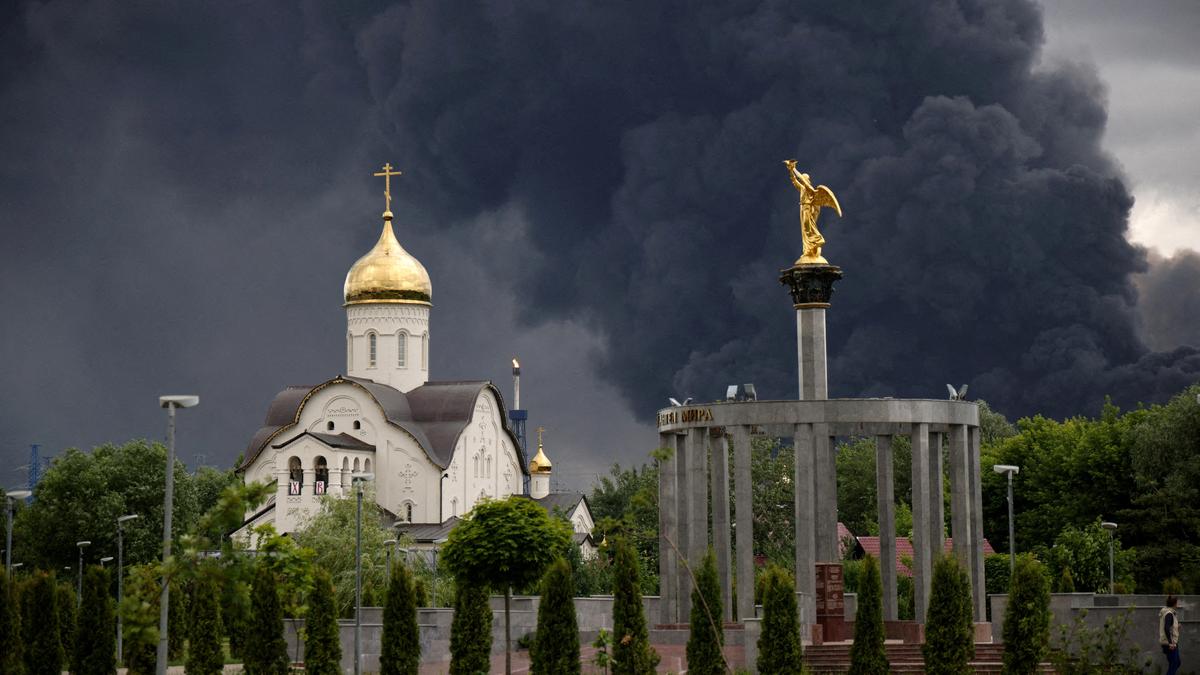
In September, roughly half of Russia's six leading diesel-producing refineries were compelled to reduce output or cease operations altogether due to damage from drone assaults, according to calculations from Reuters based on fuel market participant data. This development has exacerbated Russia's fuel shortage, a concern highlighted by U.S. President Donald Trump who urged Ukrainian President Volodymyr Zelenskiy to cease targeting Russian diesel infrastructure.
He argued that these attacks were causing a global shortage of the fuel, which is adversely impacting the world. Ukraine maintains that refineries are legitimate military targets, despite their critical role in supplying essential fuel for various industries.
The surge in diesel prices in the U.S., which surpassed $6 per gallon for the first time, has cast a shadow over Trump's political prospects ahead of the November midterm elections. Diesel, a crucial fuel for trucks, trains, ships, and farm equipment, has seen a significant rise in demand. The agricultural sector, already grappling with a fourth consecutive year of diminishing margins due to drought, high input costs, and Trump's trade policies, has been further strained by the conflict in Iran.
This conflict has disrupted global fuel supply, leading to a decline in Russia's fuel production and forcing the country to limit exports of gasoline, diesel, and jet fuel.
According to market-sourced data, six plants — including the Omsk refinery, Kirishi, Taneco, Volgograd refinery, NORSI, and Perm — together account for about half of Russia's diesel production. The Kirishi plant is fully shut down, while the Volgograd refinery and NORSI are operating at only about one-quarter of their capacity, marking a sharp decline from their normal levels.
Taneco, which was targeted by drones on Sunday, has not yet fully assessed the impact of the attack. The Paris-based International Energy Agency reports that in the first eight months of 2026, a Russian refinery was targeted on average every three days. Prior to the export restrictions, Russian diesel exports totaled less than 1 million metric tons in June, but were about 1.8 million tons combined with diesel and gasoil exports.
Turkey and Brazil were the largest consumers of Russian diesel, taking up around half of the available supplies before the export restrictions were imposed in July. This shift in the global fuel market has further underscored the severity of Russia's current energy challenges.
Written by urgent.news from Hindu BusinessLine's reporting — not their text. Machine-written — may contain errors; check the original before relying on it.