Food prices in Ghana remain largely stable – AGRA report
The latest AGRA Food Security Monitor report says food prices in Ghana remained largely stable in August compared to the previous month.
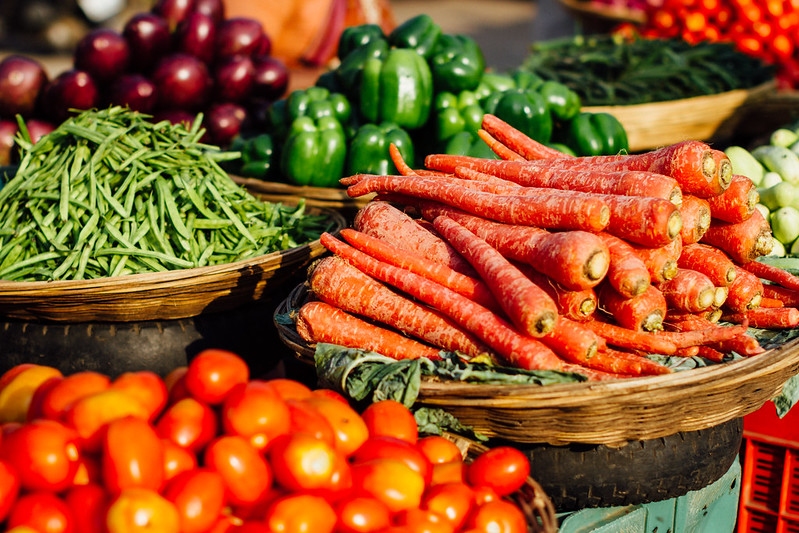
The latest report from AGRA, the Africa Food Security and Resilience Initiative, reveals that food prices in Ghana have remained relatively stable in August 2026, according to the latest Food Security Monitor. Overall food price conditions in Ghana are currently unchanged compared to July, with only minor variations observed in specific food commodities such as rice, maize, and sorghum.
In August, the national average price of rice remained stable at GHS 11,100 per metric ton, showing no change from the previous month. Prices for sorghum also remained steady at GHS 5,833 per MT, slightly lower than three months ago and significantly below six-month and year-earlier levels. However, the price of white maize increased by 8.9% month-on-month to GHS 3,141 per MT, yet remained 8.9% lower than six months ago and 36.3% below the same period last year.
The report notes that while there are indications of improving market supplies across several food commodities, fuel prices in Ghana continue to rise, with petrol prices increasing by 3% and diesel prices by 1% compared to July. As a result, petrol and diesel prices are now 29% and 19% above March levels, respectively, suggesting persistent upward pressure on the domestic fuel market.
On a broader scale, the report examines food security trends across 17 African countries in Eastern, Southern, and Western regions. In West and Central Africa, first-season maize production has generally been near average, but agricultural conditions remain fragile in parts of Nigeria, Mali, Burkina Faso, Benin, Chad, and the Sahel due to erratic rainfall and localized moisture deficits.
Despite expecting generally average rainfall across much of the region, drier-than-normal conditions are anticipated in some coastal zones and central Nigeria, which could negatively impact crop performance later in the season.
Beyond Ghana, global commodity market trends in August 2026 saw rising food and agricultural commodity prices driven by tightening global supply conditions, strong demand, production concerns due to weather-related factors, and trade disruptions. Global grain markets have tightened further due to reduced 2026/27 production forecasts stemming from adverse weather conditions, particularly in Europe, along with disruptions in Black Sea exports.
The report's analysis of climate-related risks emphasizes that the developing El Niño event in the Pacific Ocean, with a probability of becoming one of the strongest on record, poses significant threats to agriculture across Africa. According to the U.S. National Oceanic and Atmospheric Administration (NOAA), there is a greater than 90% probability of El Niño's continuation and a 69% chance of surpassing all recorded El Niño events since 1950.
This escalating climate risk underscores the critical need for early preparedness, climate adaptation, and resilience-building measures to address the mounting food security challenges in the region.
Written by urgent.news from Joy Business's reporting — not their text. Machine-written — may contain errors; check the original before relying on it.
This story
This is one outlet's version. Read the fullest account.
- Food prices in Ghana remain largely stable – AGRA report myjoyonline.com