Fitbit Air (2026) vs Fitbit Flex (2013) — how much has wearable tech actually progressed in 13 years?
13 years, one wrist: Here’s what it’s like to test the screenless Fitbit Air against the original Fitbit Flex.
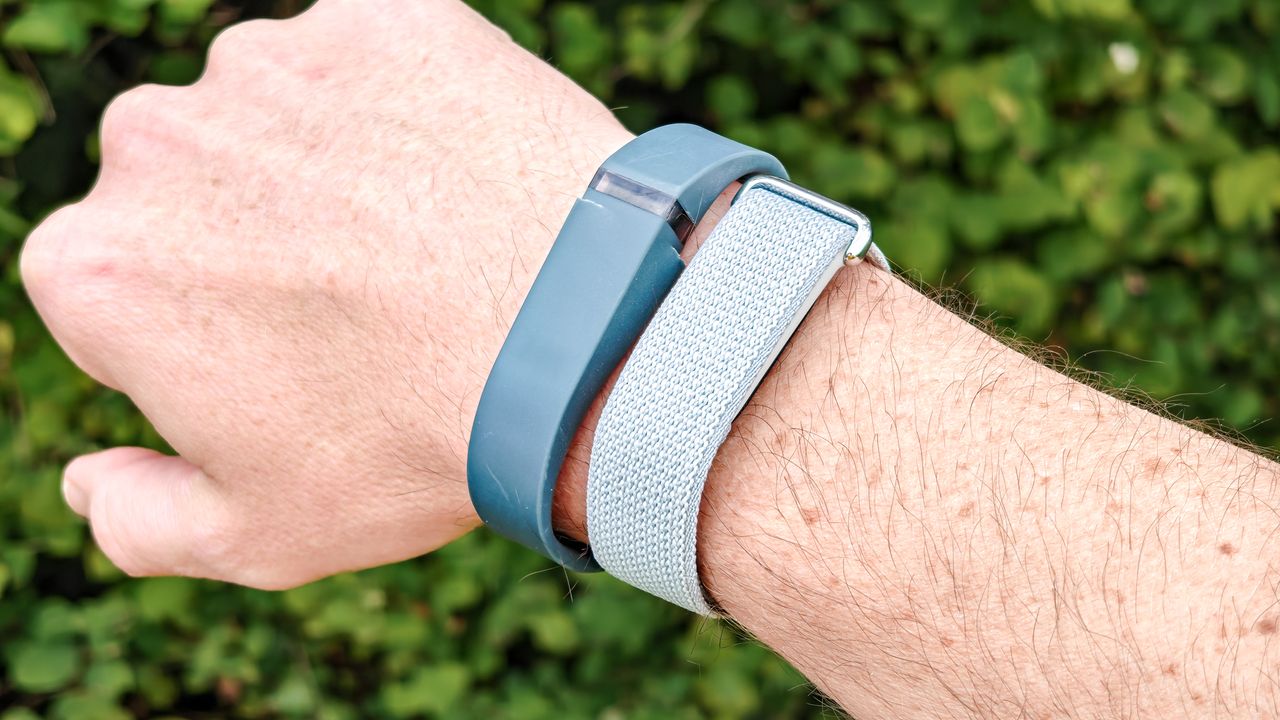
In the ever-evolving world of wearable technology, a comparison between two iconic devices reveals how much progress has been made over 13 years. The Fitbit Air, released in 2026 for a price of $99, has surpassed its predecessor, the Fitbit Flex from 2013, which also cost $99. While the Flex was a basic pedometer, the Air now offers a range of advanced features, including heart rate monitoring, blood oxygen tracking, skin temperature measurement, sleep and readiness scores, and workout tracking.
Moreover, the Fitbit Air boasts an AI coach powered by Google Health and can operate for up to seven days without charging, compared to the Flex's five-day battery life. Although the Air lacks an onboard GPS and lacks the ability to track workouts shorter than 15 minutes, it provides a more comfortable woven fabric strap and is more accurate in tracking sleep and workouts.
Despite the improvements, the Air still requires a smartphone for detailed tracking, and without a Google Health Premium subscription, its full capabilities may be limited.
Written by urgent.news from Tom's Guide's reporting — not their text. Machine-written — may contain errors; check the original before relying on it.