Elk, Not Bears, Accounted for Most Aggressive Wildlife Encounters in Canadian National Parks
Learn why elk accounted for more aggressive wildlife encounters than bears across Canadian national parks.
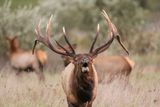
A new study published in Frontiers in Conservation Science has revealed that elk are responsible for the majority of aggressive wildlife encounters in Canadian national parks, surpassing bears, coyotes, and mule deer. The research, which analyzed data from 2010 to 2023, found that elk accounted for 62 percent of all aggressive human-wildlife conflicts.
Dr. Shashank Balakrishna, a biologist at the University of York and senior author of the study, explained that elk's unpredictable behavior may contribute to their high number of encounters. While elk are herbivores, they can display aggressive behavior if they feel threatened, especially during calving and mating seasons when cows protect their calves and bulls protect their herds.
The study suggests that elk top the list of aggressive encounters due to their size and unpredictability. Elk can weigh up to 700 pounds and stand 4.5 to 5 feet tall at the shoulder, making them a significant threat to humans. Furthermore, elk become especially aggressive during calving and mating seasons, when cows protect their calves and bulls protect their herds.
The findings emphasize the importance of maintaining a safe distance from elk, particularly in townsite areas and during low-impact activities such as hiking. Park visitors can help minimize the risk of encounters by being aware of their surroundings, following park guidelines, and focusing on safe practices such as keeping dogs on leads and avoiding approaching wildlife.
Written by urgent.news from Discover Magazine's reporting — not their text. Machine-written — may contain errors; check the original before relying on it.