El Niño freezes crops in PNG as El Niño brings unlikely threat
Drought, crop-destroying frost and water shortages brought about by El Niño are causing alarm in parts of Papua New Guinea.
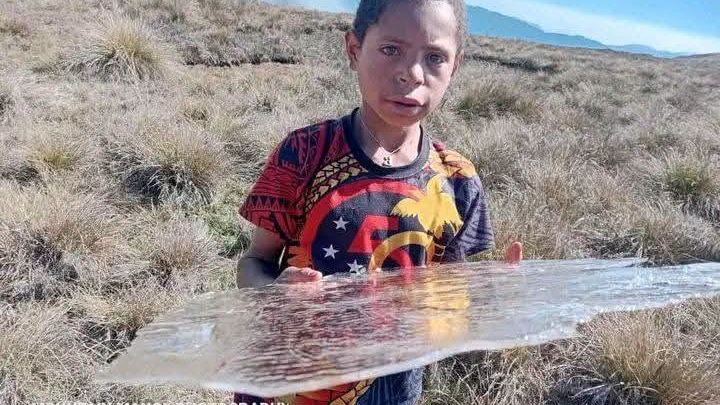
In Papua New Guinea, an El Niño weather pattern is causing unexpected frost damage to crops in mountainous regions. Anthony Morant, a resident of Kosipe in the Goilala district of Central Province, has seen his food gardens devastated by the freezing nights followed by intense sunlight. The dry conditions have led to drought, crop destruction and water shortages, though they are not unprecedented during El Niño events in the region.
However, this particular El Niño is causing alarm due to its severe conditions and potential magnitude.
Australia's Bureau of Meteorology warns that Pacific Ocean temperatures could reach record highs, with communities reporting destroyed crops, dwindling water supplies and stranded boats due to receding rivers. While food shortages are currently localized, there is concern they could become widespread as the El Niño intensifies. In June, unusually heavy frost was reported in Upper Mendi, destroying crops such as taro, sweet potato, bananas and sugar cane.
Authorities warn that failed food crops could lead to social unrest, as failed food crops may contribute to tensions between communities facing water and food shortages. El Niño, a naturally occurring climate pattern, is linked to unusually warm waters in the Pacific Ocean. Researchers suggest that climate change may be causing the swings between La Niña and El Niño to become more frequent and intense.
In Kosipe, El Niño has not only impacted food crops but also schools, forcing teachers to leave classrooms to forage for food and secure supplies. Morant reports that while the community has enough food for now, they desperately need rain. Experts fear the community's troubles may be indicative of a broader issue that could take months to emerge in other parts of Papua New Guinea.
The PNG government has allocated an additional 500 million kina ($157 million) to its El Niño response, with Prime Minister James Marape advising local leaders to identify water sources, vulnerable communities and food-security risks. However, experts warn that the full consequences of failed crops may not be apparent until months later, as areas still receiving regular rain begin to dry up.
Written by urgent.news from ABC News AU's reporting — not their text. Machine-written — may contain errors; check the original before relying on it.