El Grito de Independencia: Common myths and misconceptions
Myths and misconceptions abound for El Grito de Independencia, which was first uttered by Miguel Hidalgo in 1810 and remains an iconic aspect of Independence celebrations. The post El Grito de Independencia: Common myths and misconceptions appeared first on Mexico News Daily
During the month of September in Mexico, the air takes on a distinct shift. Rain previously doused the region, particularly in urban areas, but as the month progresses, every corner becomes an explosion of green, white, and red, signaling the approach of El Grito de Independencia or El Grito de Dolores. This celebration is one of the most significant for Mexicans, characterized by dressing up, hosting dinners with pozole and tequila, and collectively shouting "¡Viva México!" alongside the current president.
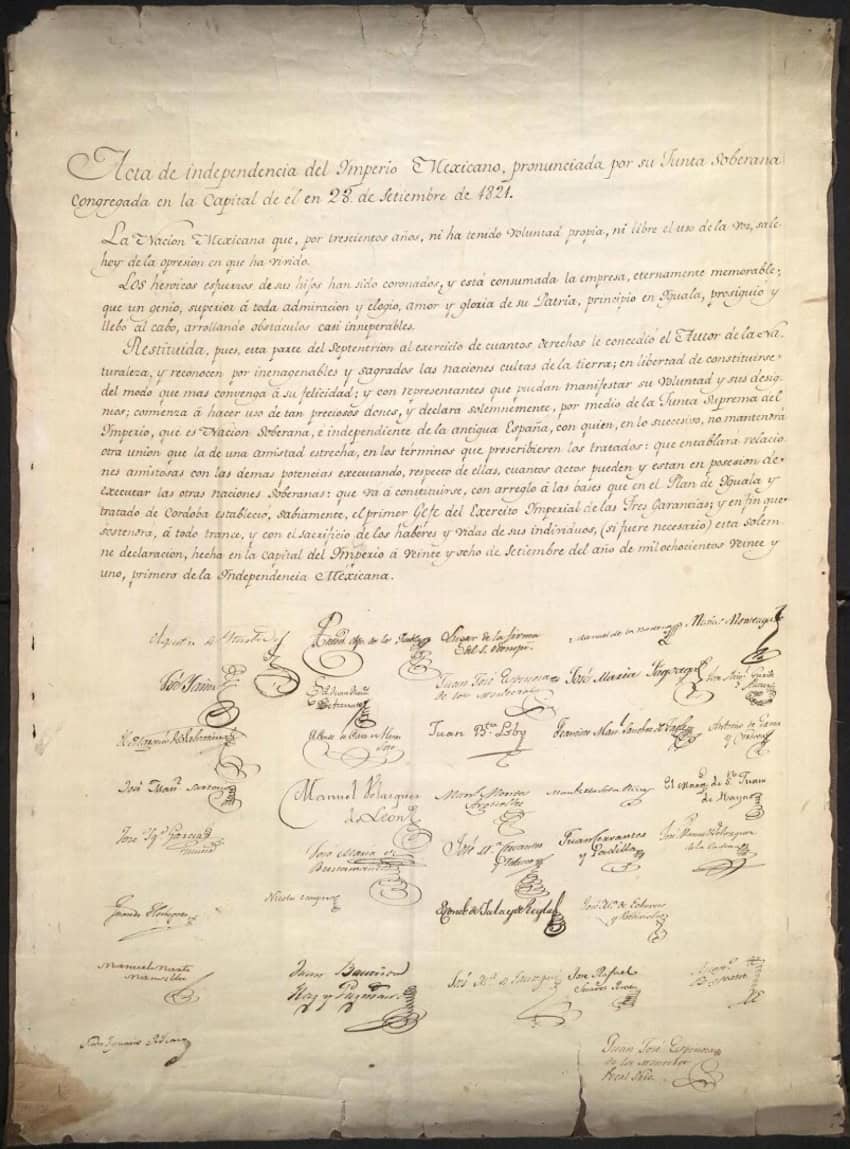
However, numerous myths and misconceptions surround this holiday. Contrary to popular belief, Mexico's Independence Day does not mark the end of the conflict but rather the beginning of the War of Independence, which concluded on September 28, 1821, with the Declaration of Independence. The misconception that Mexico celebrates its independence on either September 15 or 16 stems from the fact that both dates are within a short span in September and both mark significant events.
The urban myth suggesting that President Porfirio Díaz altered the official date of El Grito de Independencia to coincide with his birthday is debunked by historical evidence, as the tradition predates his presidency and began around 1840 to accommodate the timing of fireworks, music, and speeches. The tradition of celebrating on the evening of September 15 originated due to practical considerations, allowing for a better setting of fireworks, music, and speeches in the evening rather than early morning hours on September 16.
The cry of independence, first raised by Miguel Hidalgo in 1810, was a spontaneous response to the news of his arrest during the evening of September 15. Hidalgo's rallying cry included praises for the Virgin of Guadalupe, the Catholic Church, and King Fernando VII, with the crowd responding in kind. This event marked the start of an 11-year struggle against Spanish rule, emphasizing the spirit of unity, faith, and resistance that defines Mexican identity.
Written by urgent.news from Mexico News Daily's reporting — not their text. Machine-written — may contain errors; check the original before relying on it.