DRDO unveils framework to ease MSME, start-up entry into defence R&D
New framework offers funding, incubation support and access to DRDO testing facilities to expand MSME and start-up participation in defence R&D
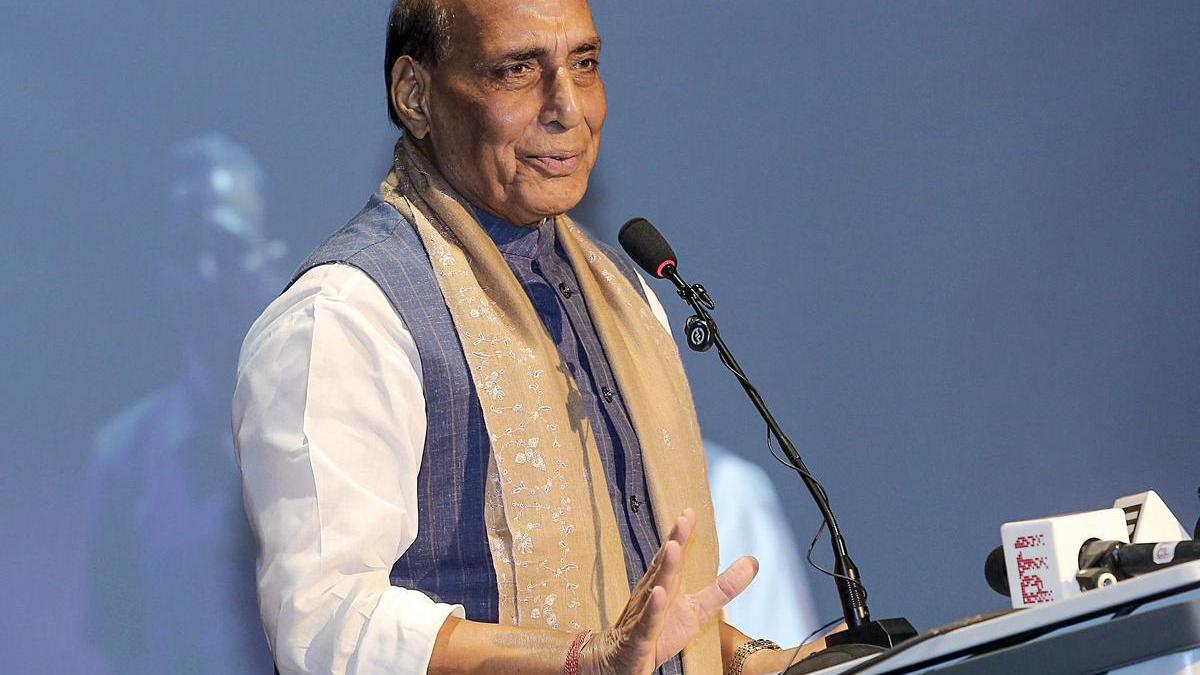
On September 15, 2026, Defence Minister Rajnath Singh unveiled a framework to facilitate the entry of small and medium enterprises (MSMEs) and deep-tech start-ups into defence research, development and manufacturing. The initiatives, unveiled at 'VIMARSH 2026', a joint meet by DRDO and industry, aim to reduce technical and financial barriers for these entities.
The framework offers direct funding, incubation assistance, and access to DRDO testing facilities for MSMEs and start-ups. Additionally, a mechanism has been established for secure sharing of DRDO-developed software source codes with licensed industries. Nine Licensing Agreements for Transfer of Technology (LAToTs) were transferred to 13 manufacturing partners to enable commercial production of advanced defence systems.
Strategic Memorandums of Understanding (MoUs) were signed with the Society of Indian Defence Manufacturers (SIDM) and Laghu Udyog Bharati (LUB) to broaden industry engagement. The DRDO also signed an agreement with the Quality Council of India for an updated version of the System for Advanced Manufacturing Assessment and Rating (SAMAR) to benchmark manufacturing maturity.
Minister Singh emphasized that India's vision of becoming a developed nation by 2047 necessitates self-reliance in critical technologies, higher indigenous content, increased defense exports, and stronger global supply chains. The government's initiatives, such as the Positive Indigenisation Lists, Make in India, iDEX, ADITI, and allocating 25% of the defense R&D budget to the private sector, have established a robust ecosystem for defense innovation.
Defence Secretary and DRDO chairman Rajesh Kumar Singh highlighted that VIMARSH 2026 aimed to shift the defense ecosystem from a transactional buyer-seller relationship to a collaborative technology-development model. Over 2,300 technology transfers have been granted to more than 1,100 industries, including technologies related to around 50 DRDO-developed missiles.
Technology roadmaps were presented for various defense sectors, including aeronautical systems, missiles, armaments, microelectronics, and naval systems.
Written by urgent.news from The Hindu's reporting — not their text. Machine-written — may contain errors; check the original before relying on it.