Daily tea linked to stronger hip bones in older women, heavy coffee intake tied to slight bone loss, study finds
Here's a plot twist for your morning routine: The drink in your mug might be shaping your skeleton. A new study out of Flinders University spent a full decade watching nearly 10,000 women over 65 to see what their daily coffee and tea habits were doing to their bones, specifically the hip and femoral neck, two hotspots for fracture risk as we age. Published in Nutrients , it's one of the…
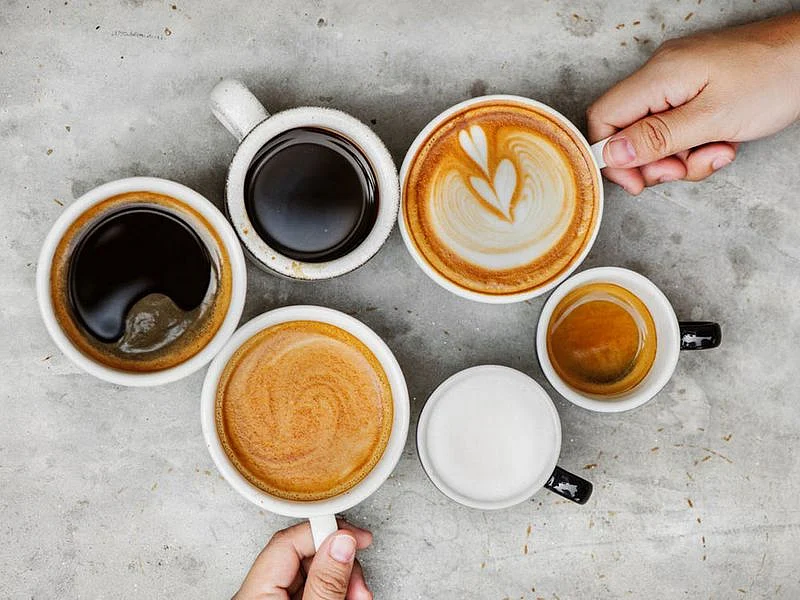
New study from Flinders University reveals surprising link between daily tea consumption and stronger hip bones in older women. Researchers tracked nearly 10,000 women aged 65 and above over a decade, analyzing their coffee and tea habits and their impact on bone health, particularly hip and femoral neck density - two areas prone to fractures as we age.
The findings, published in Nutrients, suggest that tea drinkers generally had slightly higher hip bone density compared to those who didn't drink tea. However, the difference was modest and statistically significant. The researchers believe that the plant compounds known as catechins in tea may be responsible for this protective effect, encouraging bone formation while slowing down bone breakdown.
Interestingly, tea's bone-boosting benefits appeared more pronounced in women who were obese, indicating that individual responses to tea may vary. On the other hand, coffee consumption, even two to three cups daily, showed no negative effects on bone density. However, exceeding five cups a day led to a slight decline in bone density. The likely cause is caffeine, which can interfere with calcium absorption and bone metabolism according to lab studies. Interestingly, adding milk to coffee may help mitigate these effects.
The researchers, led by Associate Professor Enwu Liu, emphasize that their findings should not be taken as a definitive recommendation to switch from coffee to tea or vice versa. While the observed effects were statistically meaningful across a large group, the individual impact appears modest. They caution against drastic changes in beverage habits and remind us that calcium and vitamin D remain crucial for bone health.
Instead, Liu compares the findings to a nudge rather than a rulebook, suggesting that these beverage choices could be simple, low-effort ways to support long-term bone strength, especially for older women.
Written by urgent.news from Gulf News's reporting — not their text. Machine-written — may contain errors; check the original before relying on it.