Colombia’s Lost City: How Ciudad Perdida Was Found in the 1970s
Deep in the mountains of Colombia’s Sierra Nevada de Santa Marta, an ancient settlement remained hidden beneath dense jungle for centuries. Known today as Ciudad Perdida (Lost City), Teyuna, or Buritaca 200, the archaeological site became internationally recognized after a dramatic discovery involving treasure hunters, archaeologists, and a difficult expedition into the rainforest. But the […]
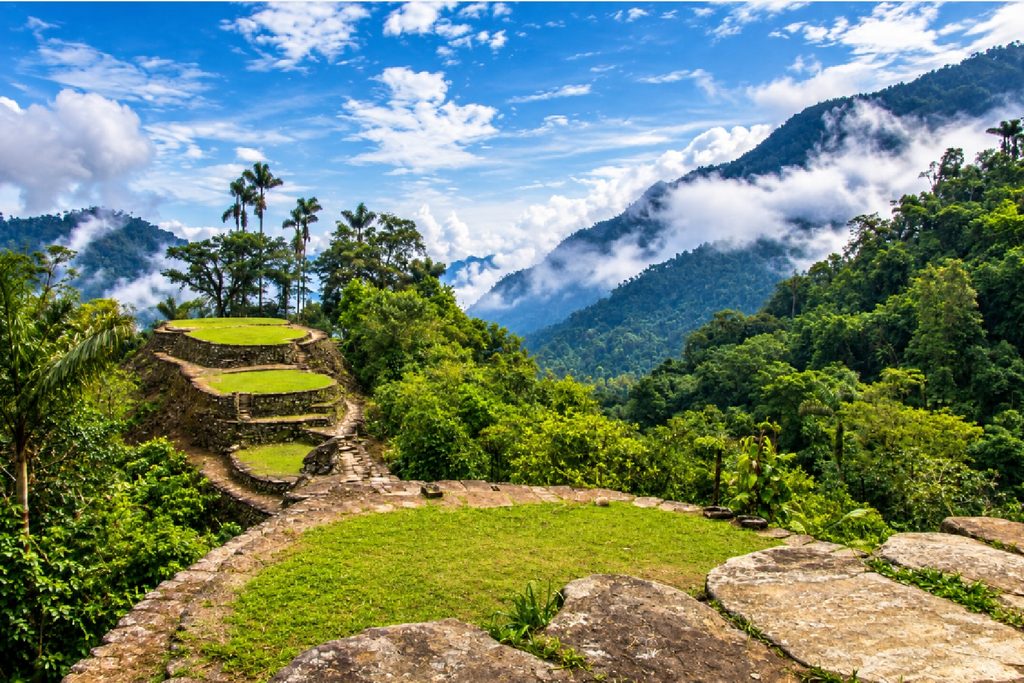
In the 1970s, the Lost City of Colombia, also known as Ciudad Perdida, was discovered after a long and difficult expedition. Situated in the Sierra Nevada de Santa Marta mountains, the ancient settlement remained hidden beneath the dense jungle for centuries. The site, known locally as El Infierno, had already been heavily looted by treasure hunters, posing a significant threat to the ancient Tayrona civilizations.
In 1975, local guaqueros, or treasure hunters, began exploring the area with the help of expert guide Francisco "Franky" Rey. By the mid-1970s, Colombian archaeologists had already identified nearly 200 ancient settlements in the Sierra Nevada. With reports of an enormous settlement being looted, an expedition was organized in March 1976, led by Franky Rey and Jesus "El Negro" Rodriguez, along with archaeologists Luisa Fernanda Herrera, Gilberto Cadavid Camargo, and Lucia Rojas de Perdomo. However, Rojas de Perdomo had to withdraw due to severe foot problems.
After 10 days of challenging travel through the jungle and along the upper Buritaca River, the expedition finally reached the site, which archaeologists designated as Buritaca 200, or simply Ciudad Perdida. The name Ciudad Perdida, meaning "Lost City," would later become popular. The indigenous communities, however, refer to it as Teyuna.
Upon arrival, the archaeologists discovered an intricate network of stone terraces, stairways, pathways, retaining walls, drainage systems, and platforms. These structures demonstrated an impressive understanding of construction and water management in the challenging environment. The site contained approximately 70 residential terraces, providing valuable insights into construction techniques, settlement organization, burial practices, and the distribution of archaeological materials.
The discovery of Ciudad Perdida began as a quest for treasure but ultimately revealed the sophisticated urban organization and engineering abilities of the ancient Tayrona civilization. The Institute of Anthropology and History continues to protect and conserve this remarkable site, ensuring its legacy endures for future generations.
Written by urgent.news from Colombia One's reporting — not their text. Machine-written — may contain errors; check the original before relying on it.