Colombian Expedition Advances as it Takes the Pulse of El Niño in the Pacific Ocean
The Colombian mission with more than 20 scientists that is in the Pacific Ocean to understand its behavior and strengthen the permanent monitoring of conditions associated with the El Niño phenomenon has already surpassed one-third of its scheduled time. The researchers are sailing aboard the Colombian Navy’s marine scientific research vessel ARC Simon Bolivar, and […]
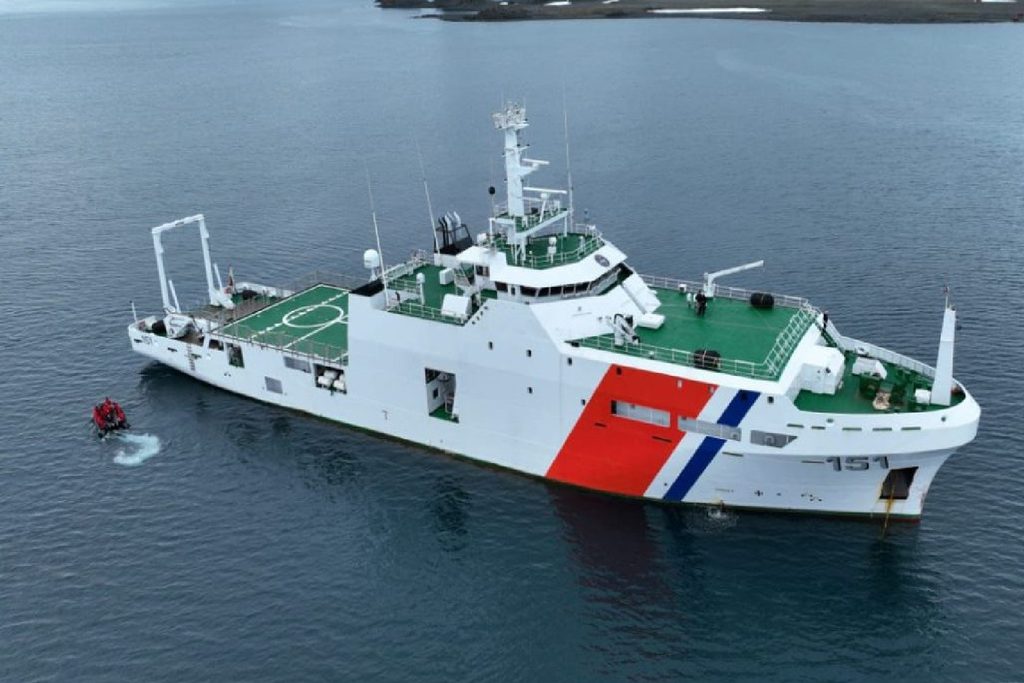
The Colombian scientific expedition aboard the ARC Simon Bolivar is making significant progress in its mission to study the El Niño phenomenon in the Pacific Ocean. Nearly a quarter of the 100-day journey has been completed, with researchers aboard the vessel focusing on four key areas: Physical Oceanography, Chemical Oceanography, Biological Oceanography, and Hydrography. These studies are being conducted at 75 stations, including 46 within five marine protected areas of the Colombian Pacific.
The expedition, known as "Ocean Mission: Pacific Chapter 2026," is a collaboration between multiple Colombian institutions, including the General Maritime Directorate, Colombian Ocean Commission, National Natural Parks of Colombia, and numerous universities. The information gathered during the voyage will help enhance the understanding of climate variability and inform maritime management strategies.
One of the mission's objectives is to monitor water temperature changes from surface to depth, utilizing instruments that measure this variable at different depths. This direct measurement is crucial, as El Niño is linked to ocean-atmosphere interactions. By understanding these changes, scientists can better predict the phenomenon's evolution and potential impacts on climate.
The expedition also involves installing three meteo-oceanographic buoys in Buenaventura, Bahia Solano, and Tumaco, expanding the Oceanographic Parameter and Marine Meteorology Measurement Network. These buoys continuously record ocean and atmospheric conditions, crucial for improving weather forecasting models and disaster risk prevention.
Written by urgent.news from Colombia One's reporting — not their text. Machine-written — may contain errors; check the original before relying on it.