Cedi under fresh pressure as Christmas import demand drives dollar surge
The Ghana cedi is facing renewed pressure against the US dollar, recording its second monthly depreciation since May as demand for foreign exchange continues to rise.
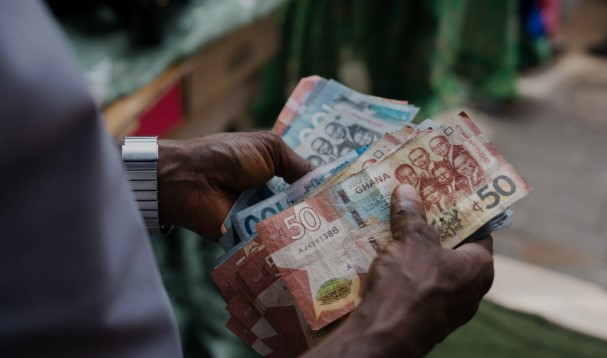
Ghana's local currency, the cedi, is encountering renewed pressure against the US dollar, marking its second monthly depreciation since May as demand for foreign exchange surges. Market data and quotes from multiple commercial banks indicate the cedi fell by 1.86% in July, after rising by 3.30% in June. The June increase stemmed from the Bank of Ghana injecting $2.01 billion into the market to meet demand and maintain stability.
However, the pressure resurfaced in July, mainly due to heightened demand for dollars to fund energy imports. This trend has continued into August. Market data reveals the cedi has experienced weekly and monthly declines of 0.52% and 1.66%, respectively. Year-to-date, the cedi has slipped by 8.06%. The latest strain is attributed to businesses gearing up for the December Christmas shopping period, demanding more dollars.
Market observers have informed JOYBUSINESS that this demand may persist as companies boost imports prior to the holiday season. The situation has been exacerbated by crude oil prices and their influence on the quantity of foreign exchange needed for energy imports. Despite this, the Bank of Ghana (BoG) perceives the current movements as typical market behavior and anticipates the cedi to remain relatively stable throughout 2026.
In its July Monetary Policy Report, the central bank acknowledged that elevated foreign exchange demand ahead of Christmas could exert pressure but expressed confidence in its capacity to handle the situation. The BoG anticipates that foreign exchange intermediation and remittance inflows will help alleviate pressure on the currency.
The Bank of Ghana plans to inject approximately $500 million into the market in September via its foreign exchange intermediation program. The Ghana Gold Board is also set to contribute through an additional US$1.4 billion in foreign exchange receipts during the month.
Written by urgent.news from Joy Business's reporting — not their text. Machine-written — may contain errors; check the original before relying on it.