Bellevue teen builds AI to predict air turbulence, wins $100K
An impressive feat for an 18-year-old student, ForeCAT is a groundbreaking AI model he created to predict hazardous clear-air turbulence. Garnering a prestigious scholarship from the Davidson Institute, this innovative system merges atmospheric physics with computational power, achieving remarkable accuracy that surpasses conventional turbulence forecasting techniques. By improving flight safety…
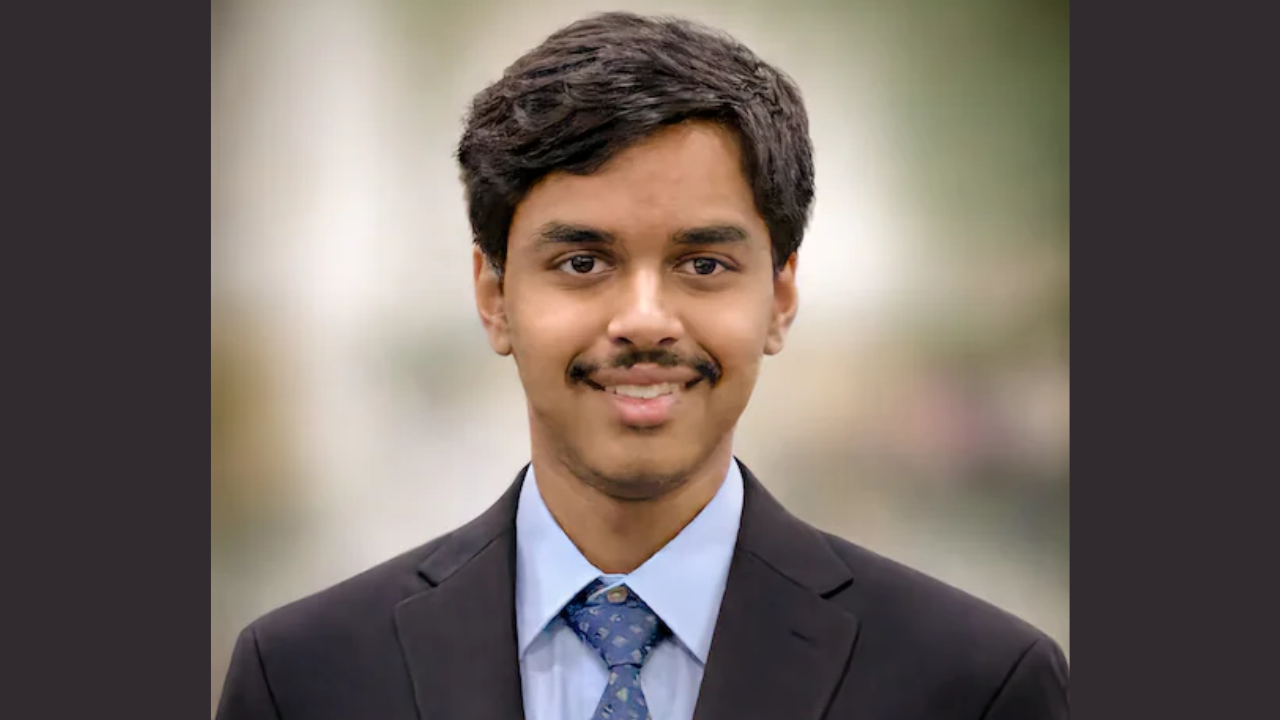
In Bellevue, Washington, an 18-year-old student named Aditya Sengupta has developed an artificial intelligence system called ForeCAT to predict clear-air turbulence, earning a $100,000 scholarship from the Davidson Institute. ForeCAT, which combines machine learning with atmospheric physics, aims to prevent the risks associated with unexpected turbulence during commercial flights.
Clear-air turbulence occurs without visible indicators and can cause passenger injuries and operational disruptions, costing airlines an estimated $500 million annually. Sengupta's ForeCAT system uses spatiotemporal weather data and fluid dynamics equations to forecast the formation and severity of invisible air currents. In tests, ForeCAT achieved a 95% accuracy rate, surpassing traditional methods like the Graphical Turbulence Guidance algorithm.
The Davidson Institute recognized Sengupta as a 2026 Davidson Fellow Laureate for his independent research. Sengupta plans to pursue a university degree in computing and natural sciences, focusing on developing engineering applications grounded in physics and computer science.
Written by urgent.news from Times of India's reporting — not their text. Machine-written — may contain errors; check the original before relying on it.