Behind the Lobbying Battle Over the Bipartisan Senate College Sports Bill
An opposition coalition has formed to block the bill.
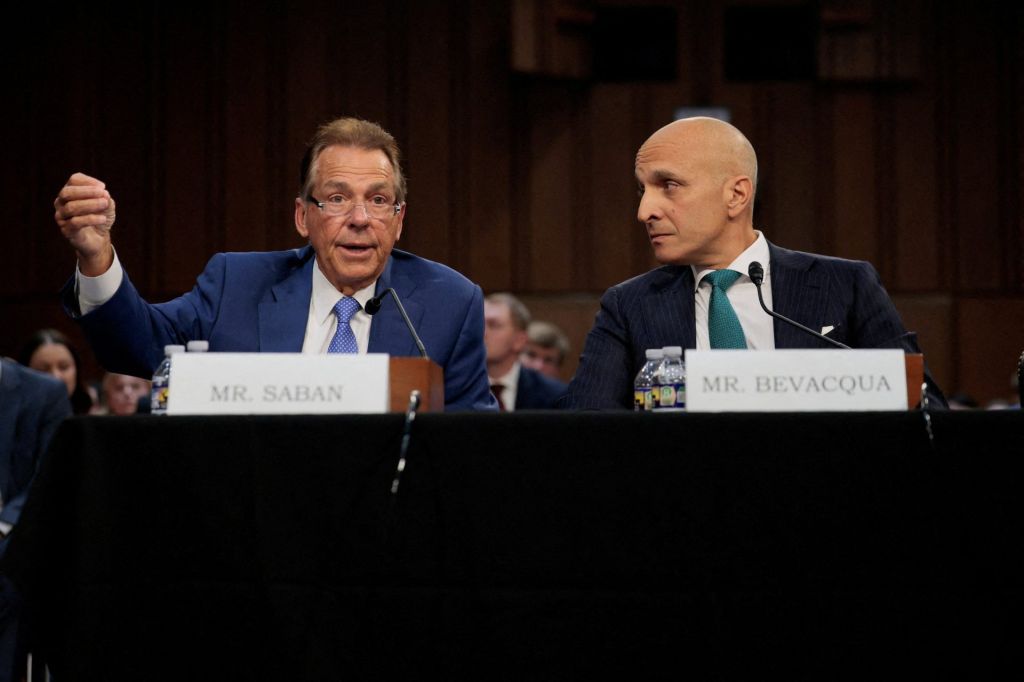
As the final vote on the Protect College Sports Act (PCSA) looms, lobbying efforts have intensified. Senators are set to hold a floor session on Tuesday in an attempt to secure the necessary 60 votes. However, a coalition of lawmakers opposing the bill has emerged, threatening to hinder its passage. The bill aims to double the current revenue-sharing cap on college sports, introduce stricter NIL rules, create a one-time transfer portal, and codify eligibility standards.
Additionally, it would protect some health and safety standards and require the wealthiest schools to maintain women's and Olympic sports roster numbers. Another section of the bill would allow schools to pool and sell media rights, prevent a power conference super league, and limit conference expansion to 19 teams. The bill also allocates funds for broadband service at historically Black colleges and universities.
Senate co-sponsors Ted Cruz, Maria Cantwell, and Eric Schmitt have been working diligently to ensure the bill reaches the required 60 votes. Additionally, high-profile figures from both the White House and Republican circles have joined the lobbying campaign, including White House college sports committee members Cody Campbell and Randy Levine, as well as key lobbyists like Cody Campbell and Randy Levine.
On the opposing side, Democratic senators Ted Cruz, Maria Cantwell, and Eric Schmitt have faced opposition from senators Chris Murphy and Corey Booker, along with labor groups such as the AFL-CIO, SEIU, and civil rights organizations like the NAACP. These groups argue that college athletes should have the right to collective bargaining and raise civil rights concerns regarding athlete pay caps in basketball and football.
The bill's supporters are dealing with a range of stakeholders requesting revisions, but no major changes have been made to the expansion provision. In recent days, various lobbying tactics have been employed, including a nine-minute interview with Cruz on ESPN's College GameDay, which backfired and resulted in backlash from both Cruz and ESPN.
In response, ESPN has agreed to air an opposing viewpoint, with NAACP CEO Derrick Johnson set to appear on Tuesday's SportsCenter. Additionally, lobbyists and bill supporters have launched a $10 million ad campaign, featuring endorsements from influential figures like Nick Saban and Deion Sanders. Meanwhile, a series of press conferences have taken place, with senators, coaches, and players taking opposing stances on the legislation.
Players like Maryland women's basketball player Oluchi Okananwa, LSU women's basketball player Jada Williams, and Temple football player Jackson Pruitt have expressed their desire for rules and regulations in college sports, while also advocating for their involvement in the negotiation process through collective bargaining. Players have raised concerns about potential loopholes in health and safety standards and the prohibition of players suing schools or governing bodies.
In contrast, a group of elite basketball coaches, including Arkansas' John Calipari, Gonzaga's Mark Few, and Houston's Kelvin Sampson, have voiced their support for the bill, emphasizing the need for transfer limits and eligibility restrictions.
Written by urgent.news from Front Office Sports's reporting — not their text. Machine-written — may contain errors; check the original before relying on it.