As the American century ends, Asia’s renaissance begins
The ending of the American century is coinciding with an Asian renaissance. America remains the world’s largest economy and will stay that way for another decade or two. But its economy no longer dominates the world. And its “America first” policy has partners and allies looking for alternatives for trade and investment – and for certainty. Simultaneously, everyone else is changing. The…
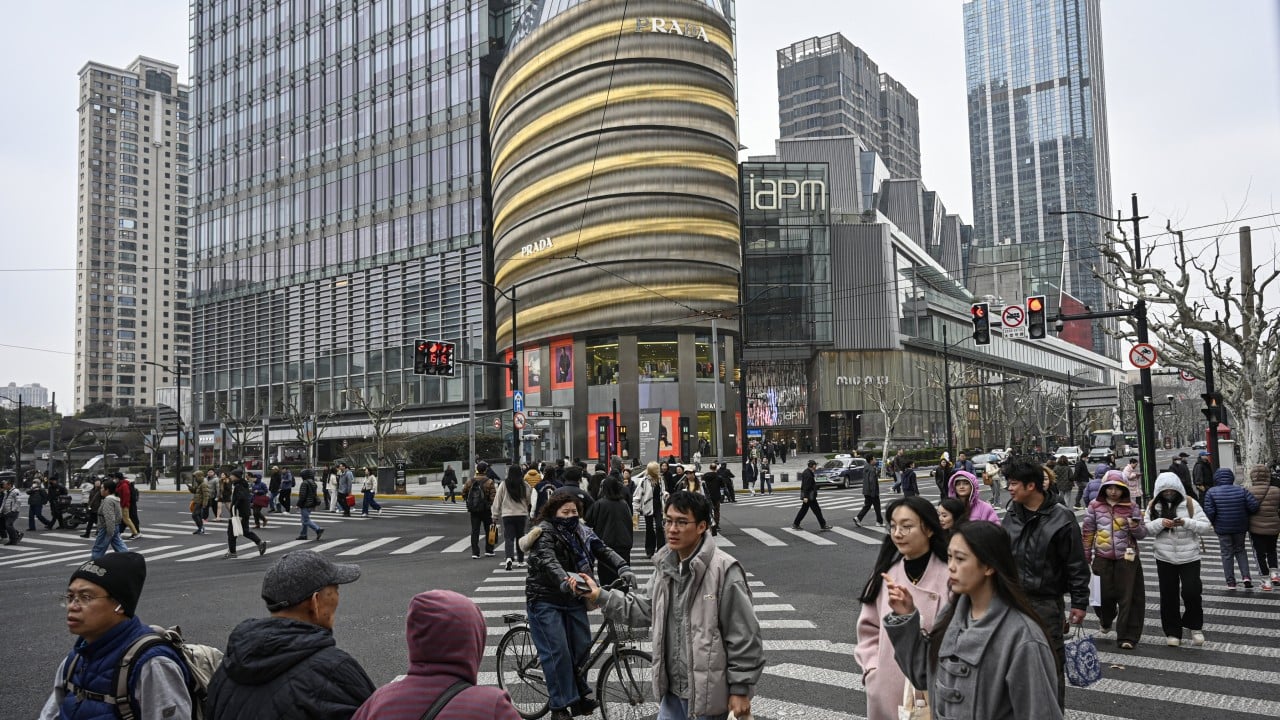
The American century is ending as Asia experiences a renaissance. While the United States remains the world's largest economy, its dominance is waning due to shifting geopolitical and cultural dynamics. Asia, particularly China and India, is emerging as the leading economic force, accounting for the fastest-growing economies in the 21st century.
This shift is driven by three forces: a return to form, where China and India were once the world's two largest economies until around 1820; Asia's debt to the West for absorbing Western ideals such as free-market economics, science, meritocracy, and a culture of peace; and a surge in Asian cultural confidence.
Western businesses must adapt to this changing landscape, understanding that modernization does not equate to Westernization. In the past, Japan, for example, aimed to "leave the ranks of Asian nations and cast our lot with civilised nations of the West." However, today, prosperity no longer necessitates shedding one's Asian identity.
Business leaders should be aware of the differences in approach between Western and Asian cultures. In the West, a signed contract secures a deal, whereas in much of Asia, building a trusted relationship is equally important.
A crucial reality for Western businesses is that Asia is modernizing on its own terms, with the Association of Southeast Asian Nations (ASEAN) being a significant player. Consisting of 11 members representing diverse religions and cultures, Asean operates by consensus, often making progress incrementally. China has been Asean's largest trading partner since 2009, with China-Asean trade growing exponentially.
India's historical connections with Southeast Asia run deep, with Indian traders and priests shaping various aspects of the region.
The three biggest economic growth sources in the near future are China, India, and ASEAN. Western businesses that quickly adapt and engage with this new "CIA" (China, India, and ASEAN) will not only avoid being left behind but will also position themselves to profit from Asia's growing economic power.
Written by urgent.news from SCMP Business's reporting — not their text. Machine-written — may contain errors; check the original before relying on it.