As 10-year Treasury yield hits 5%, debt hawks are eyeing a national debt spiral: ‘If this isn’t a wake-up call, I don’t know what will be’
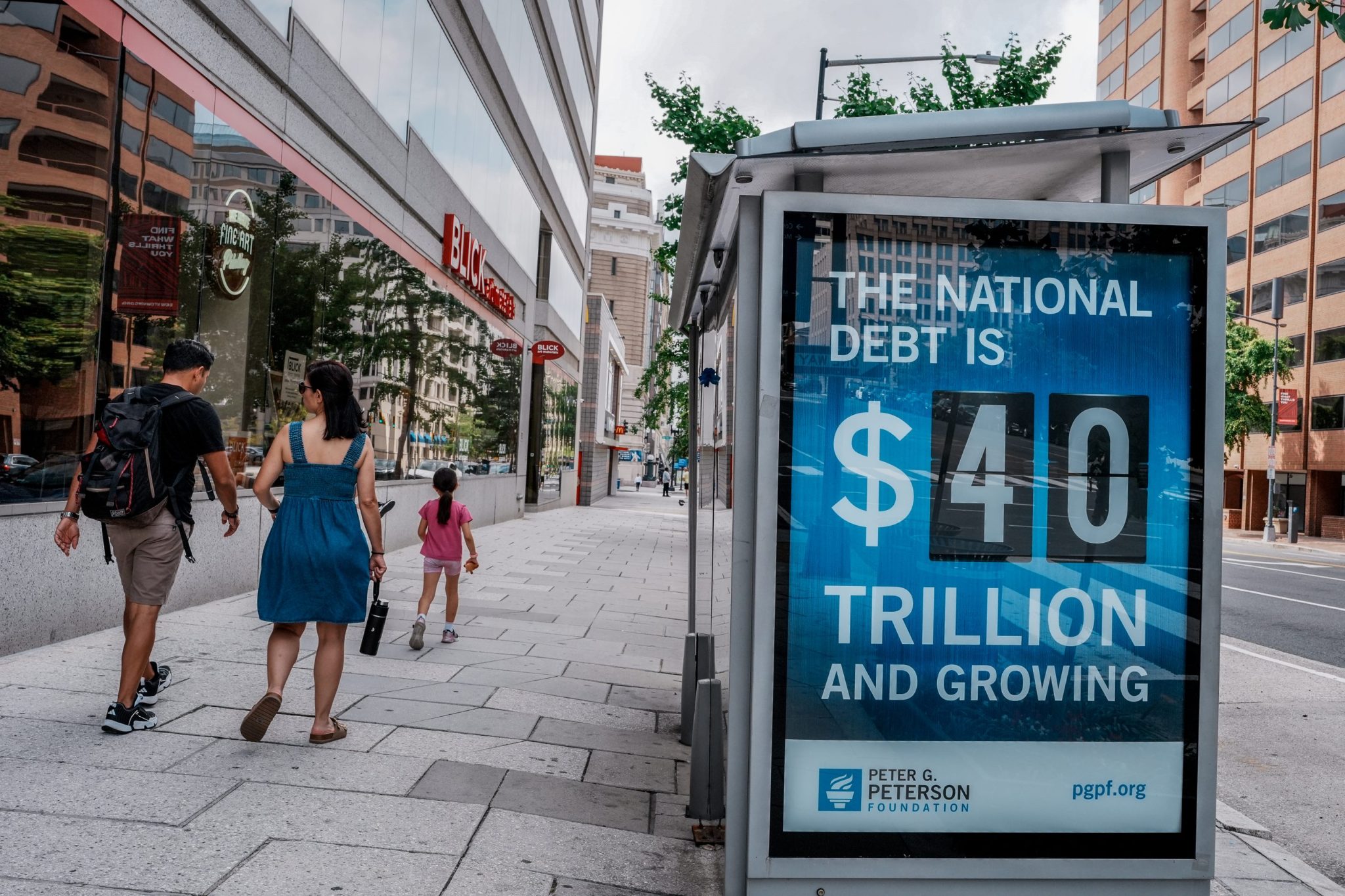
Last week, the 10-year Treasury yield reached a significant milestone: surpassing the 5% mark. This level is considered a critical indicator for investors and analysts, often signaling growing concerns about the nation's fiscal health. The 10-year yield, currently at 5.027%, has been on the rise since February. Initially, the U.S. Treasury intervened in the bond market, conducting a multi-billion-dollar buyback to bolster market liquidity.
However, after a brief decline, yields continued their upward trend ahead of the Federal Open Market Committee's meeting. Heightened geopolitical tensions in the Middle East have further exacerbated inflationary fears.
The consequences of this yield surge are multifaceted. Higher interest rates escalate borrowing costs for the national debt, potentially ushering in a debt spiral—a cycle where mounting interest payments contribute to increased debt. According to Maya MacGuineas, president of the Committee for a Responsible Federal Budget, if interest rates remain 80 basis points above projections over the next decade, the U.S. could spend $2.7 trillion annually on interest payments. This surpasses the combined spending on Medicare and Social Security retirement benefits.
High interest rates also ripple into the broader economy, burdening homebuyers with higher mortgage rates and increasing costs for various loans. For businesses, the elevated borrowing cost might dampen investment, slowing economic growth and potentially leaving the country worse off. While some argue that present yield rise may reflect growth or inflation expectations rather than fiscal concerns, the "real threat," according to MacGuineas, is a debt spiral.
She warns that this once unthinkable scenario is now a "distinct possibility." On the other hand, those optimistic about the economy suggest that productivity gains from technological advancements, like AI, could help the U.S. avoid fiscal peril. Regardless, as Treasury Secretary "House" Bessent's attempts to stabilize the market have been unsuccessful, and fiscal policy is deemed increasingly untrustworthy, the 5% yield benchmark holds political weight.
Written by urgent.news from Fortune's reporting — not their text. Machine-written — may contain errors; check the original before relying on it.
This story
This is one outlet's version. Read the fullest account.