Are Japanese temples on Mt Koya cashing in on the foreign tourism boom?
With more than 100 million yen in underreported income, questions are being raised over the morals of profiting from overseas tourists. A lot of businesses and organisations in Japan are seeking to make the most of the current boom in tourism by finding new ways to promote themselves and appeal to the foreign tourist market. […]
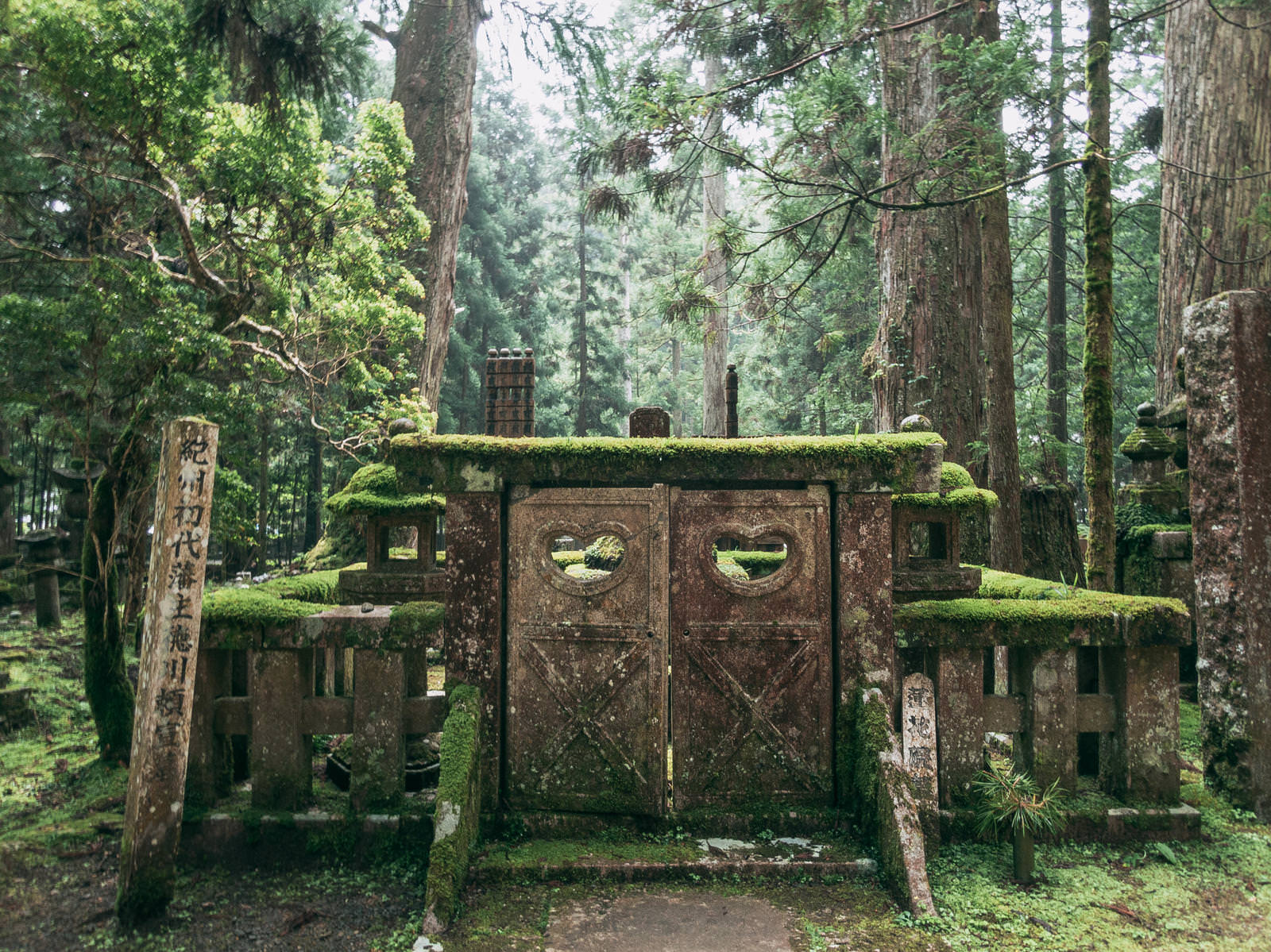
Questions are emerging about whether Japanese temples on Mt Koya are profiting from the surge in foreign tourism. This is particularly concerning given the sacred nature of the site, which is part of a UNESCO World Heritage Site. In 2025, approximately 117,500 foreign visitors stayed overnight on the mountain, marking a 10% increase from the previous year.
The tax investigation revealed that religious corporations operating shukubo on Mt Koya had underreported over 100 million yen (US$650,000) in income. Around 90 million yen of this was attributed to one temple, Sojiin. The family of the chief priest was found to have used temple lodging income for personal expenses over three years, leading to additional taxes and penalties.
Shukubo, traditionally providing lodging for monks and pilgrims, have become popular with tourists. Prices have risen significantly, with some rooms costing over 150,000 yen per night. The Koyasan Shukubo Association notes that a one-night stay with meals cost around 7,000 yen 40 years ago. The association states that modernization of facilities has led to a shift towards more luxurious accommodations, which many tourists perceive as crossing the line between offering a sustainable service and profiting from a sacred space.
Written by urgent.news from SoraNews24's reporting — not their text. Machine-written — may contain errors; check the original before relying on it.