Are Chinese Firms Handing the United States Data?
AI competition may be an unwitting weakness for Beijing.
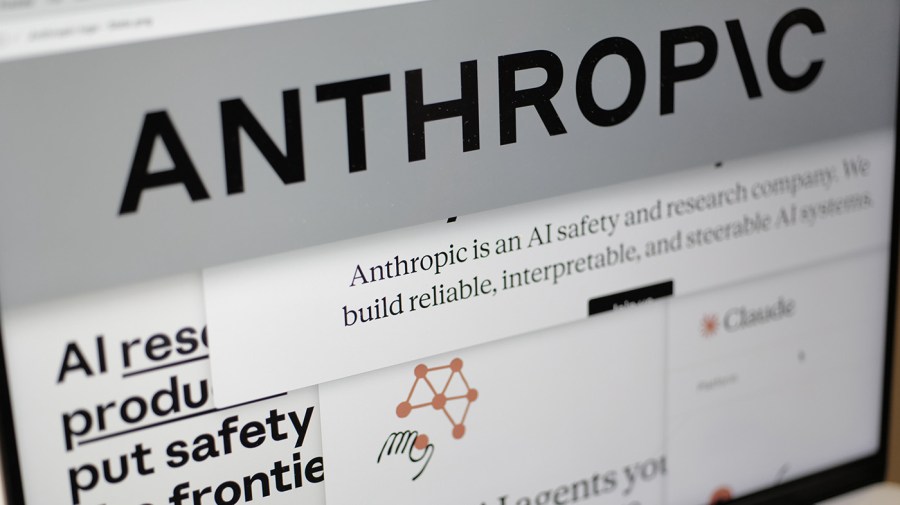
Anthropic, a U.S. artificial intelligence company, recently accused several leading Chinese AI firms of gathering data from real users without their knowledge. The firms in question were Moonshot AI and DeepSeek, among others. According to Anthropic, some of these Chinese companies were found to have routed at least 300,000 requests from real users through their models over a span of ten days.
The data sent to Claude included sensitive information such as surveillance material, internal code, credentials from engineers at major Chinese state-owned enterprises, details from police case management systems, and insights into internal AI projects at Chinese technology companies.
This leakage of classified information is of particular concern to Beijing, but the larger worry may be that Chinese AI companies, in their efforts to mimic advanced U.S. models, might also be sending significant amounts of real Chinese user data to the United States. Data generated from real tasks is considered far more valuable than the ordinary data found on the open internet.
This high-quality data includes user interactions, code, documents, project descriptions, and technical challenges faced by individuals and companies. When aggregated, this data can reveal a common bottleneck in a technological system, expose weaknesses in China's industrial and technological capabilities, and provide insights into the country's strategic intentions and developments.
In peacetime, such data has commercial and technological value, but as tensions between the two superpowers escalate, it becomes even more valuable. During a potential conflict, U.S. intelligence agencies would require detailed information about China's military capabilities, bottlenecks in production, emerging civilian companies entering wartime production, weaknesses in key industries, and research institutions focusing on specific problems.
Large volumes of AI interactions could provide this critical information, as it can reveal not only what China possesses but also what China is doing.
Beijing has implemented strict data security regulations in recent years, imposing security assessment requirements and restrictions on cross-border data transfers. However, the potential value of this data has raised a pertinent question: Did Beijing know in advance that Chinese AI companies were sending real user data to the United States? The answer to this question remains largely unexplored, given the extensive attention given to traditional classified documents.
Written by urgent.news from Foreign Policy's reporting — not their text. Machine-written — may contain errors; check the original before relying on it.