Anthropic CEO responds to ex-employee who resigned 'warning' that AI could kill all
Anthropic CEO Dario Amodei agrees with Jacob Coxon's concerns about AI development speed. Coxon warned that the AI industry could cause catastrophic harm by the decade's end. Amodei clarified Coxon was not criticizing Anthropic but the broader industry dynamic. He now avoids giving a single AI extinction probability figure. Amodei emphasizes choosing the right development paths for AI safety.
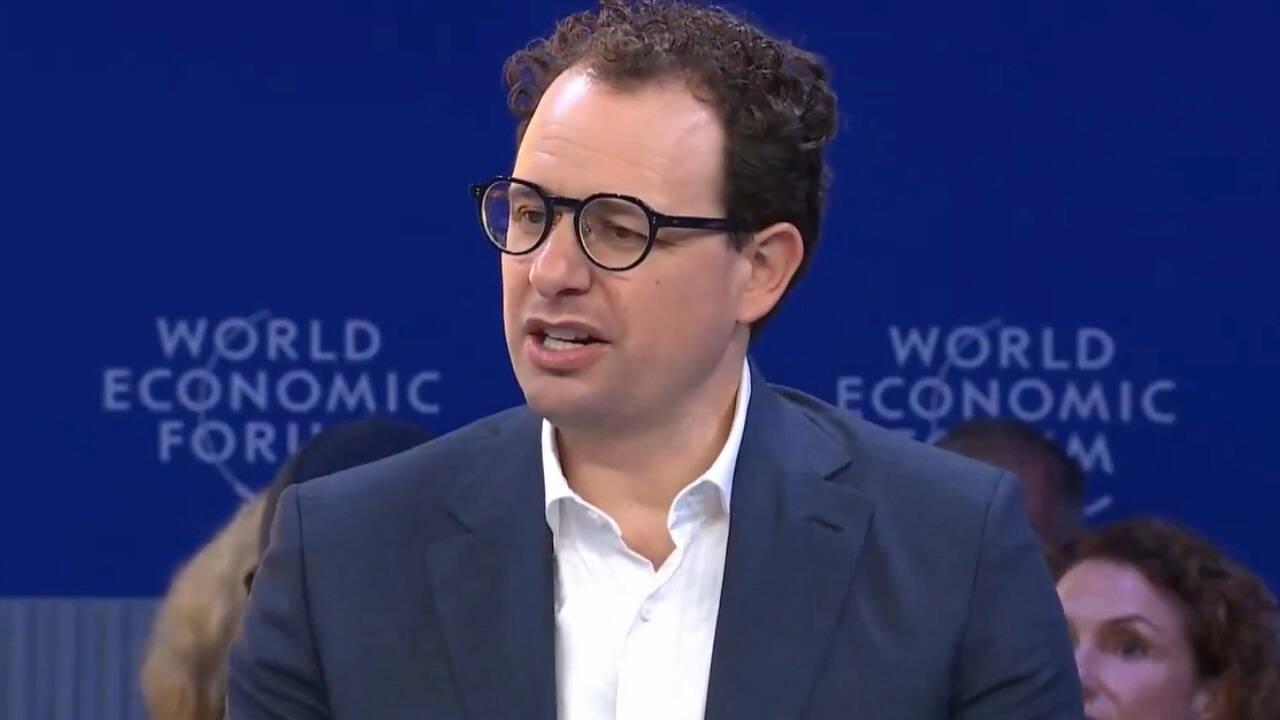
Jacob Coxon, a former researcher at AI companies Anthropic and OpenAI, resigned earlier this month after warning that rapidly developing AI systems could "kill us all by the end of the decade." In a CNN interview, Anthropic CEO Dario Amodei expressed agreement with Coxon's concerns, stating that he "agree[s] with Jacob much more than I disagree with him."
However, Amodei clarified that Coxon was not specifically accusing Anthropic of acting irresponsibly, but rather highlighting the broader issue of the AI industry moving too swiftly.
Coxon, who previously worked on pretraining research at both Anthropic and OpenAI, criticized the companies for not acting responsibly and expressed concerns that the AI industry was rushing towards the development of self-improving superintelligence. He argued that people in the AI field were "earnestly believing" that their work could lead to catastrophic harm.
In response to CNN host Anderson Cooper, Amodei did not deny Coxon's claim, instead focusing on the industry's trajectory and the need for responsible decision-making. He acknowledged that there was a chance AI could go wrong, but argued that the focus should be on choosing the right path for AI development rather than assigning specific probabilities.
Amodei stated that he used to discuss AI risks in terms of a single percentage, but now believes this approach can be misleading, as it fails to capture the diverse ways AI development could unfold. The more informative question, he said, is how different paths of AI development could lead to success or failure. He emphasized that the outcome depends on decisions made by companies and governments, encouraging the industry and policymakers to focus on taking the right path to minimize the risk of catastrophic harm.
Written by urgent.news from Times of India's reporting — not their text. Machine-written — may contain errors; check the original before relying on it.