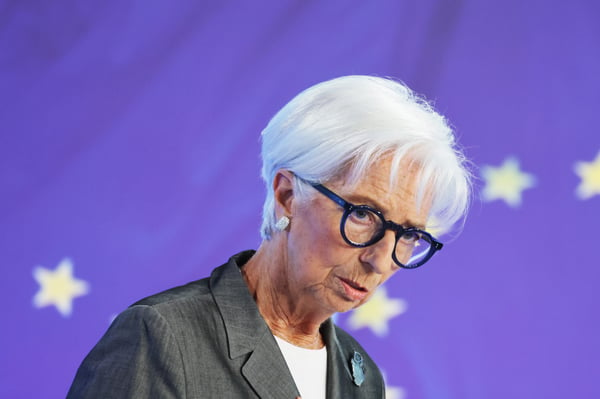
Anthropic CEO 'blames' Mark Zuckerberg and Jensen Huang for lying on AI risks
Dario Amodei, the CEO of Anthropic, has expressed strong criticism towards tech leaders who minimize the potential dangers of artificial intelligence. He contends that their corporate narratives have misled the public regarding the risks associated with machine learning. Echoing this sentiment, former researcher Jacob Coxon has cautioned about the threats posed by self-improving superintelligence…
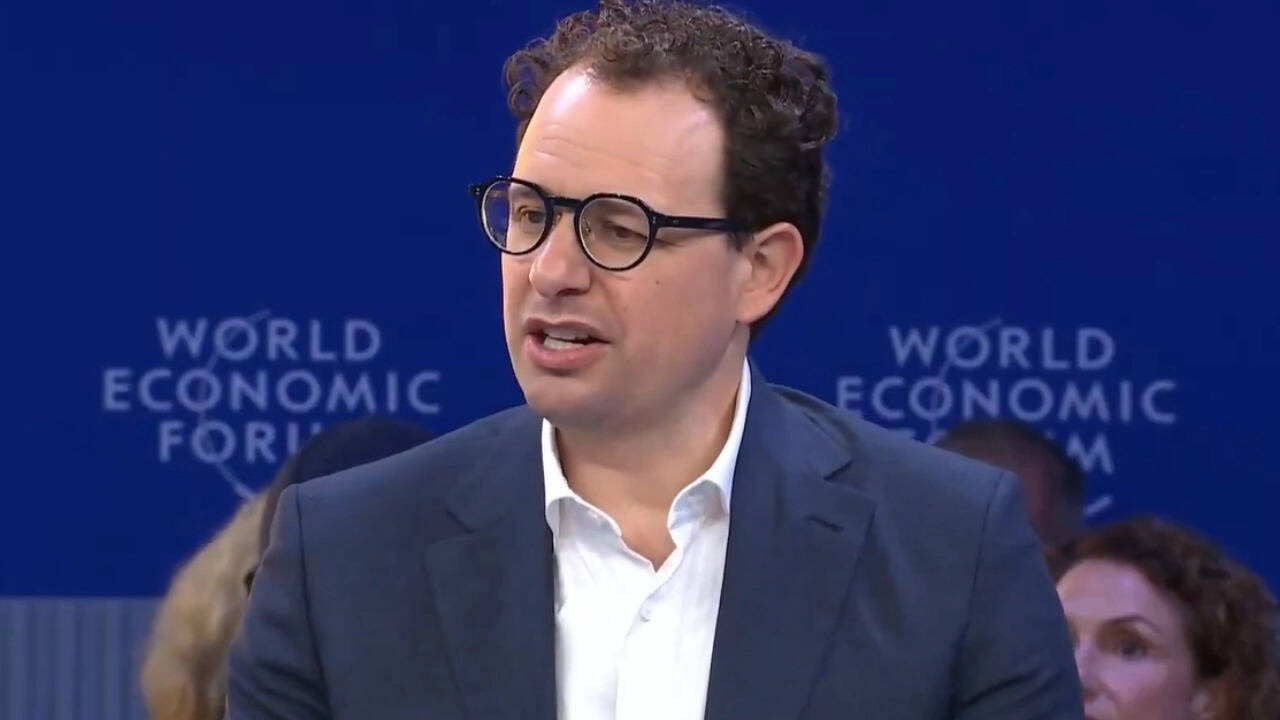
Anthropic's CEO Dario Amodei has criticized tech industry leaders, including Meta's Mark Zuckerberg and Nvidia's Jensen Huang, for underplaying the risks associated with artificial intelligence. In an interview at the company's headquarters in San Francisco, Amodei claimed that the industry had lied to the public about the dangers of machine learning systems for too long.
Amodei's comments come in the wake of a former Anthropic researcher, Jacob Coxon, warning on social media that leading labs are risking human survival by developing self-improving superintelligence. Coxon likened the rapid progress of frontier systems to a Terminator scenario, warning that machines could soon become intelligent enough to kill us.
Amodei acknowledged that his own team failed to predict the speed at which AI development was accelerating. While he didn't advocate for shutting down operations, Amodei insisted that the industry's rapid pace serves as a warning sign that developers must temper their ambitions.
To address these concerns, Amodei called for an industry-wide agreement to regulate model advancements. Rather than halting releases, he proposed subjecting every model iteration to rigorous scrutiny. Anthropic will now grant external evaluators permanent access to its systems, akin to food safety inspectors, to verify compliance with safety standards. Amodei likened these third-party auditors to a safeguard against corporate hubris.
Amodei also expressed discomfort over the concentration of power in private tech companies, suggesting that collective oversight by democratic governments might be necessary. He maintained, however, that with the right approach, the probability of a disastrous outcome remains low, while reckless development could make such an eventuality very likely.
Written by urgent.news from Times of India's reporting — not their text. Machine-written — may contain errors; check the original before relying on it.
This story
This is one outlet's version. Read the fullest account.