Airlines sector outlook: fuel shock squeezes margins despite record demand
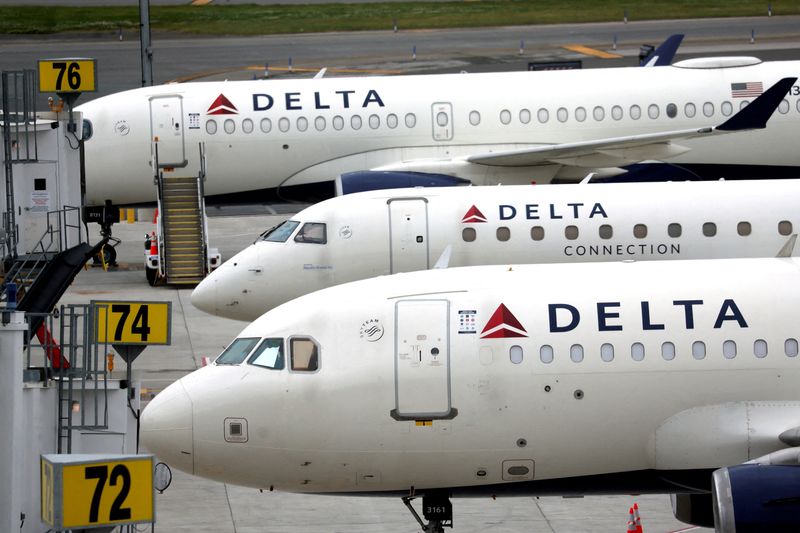
The global airlines sector faced a dilemma in 2026, as soaring passenger demand collided with a fuel cost shock that slashed profit margins in half. Iran conflict caused jet fuel prices to surge, pushing the industry's fuel bill to nearly $350 billion in 2026 from $252 billion in 2025—nearly a third of operating costs. As a result, the International Air Transport Association (IATA) lowered its 2026 global profit outlook, with net profit for North American carriers falling to $9.4 billion from $12.4 billion, and European carriers to $9.6 billion from $13.0 billion (net margin of 3.1% compared to 4.5%).
Middle East carriers faced the steepest damage, with a projected net loss of -$4.3 billion versus a profit of +$7.2 billion in 2026. However, revenues were on the rise, with a 9.4% increase to around $1.16 trillion. Despite record load factors at 84%, airlines were earning less per passenger due to fuel erosion. Aircraft delivery delays from Boeing and Airbus added to the sector's woes, forcing carriers to fly older, less fuel-efficient planes—a structural cost headwind with no near-term solution.
Market sentiment was mixed, with Wall Street showing selective optimism, favoring airlines with diverse revenue streams, strong balance sheets, and premium or corporate exposure over pure leisure-focused carriers. Wolfe Research projected that 2027 revenue per available seat mile would split, with a strong first half followed by a negative second half.
Among pure-play airline stocks, Copa Holdings (CPA) emerged as the most compelling fundamental case, trading at $125.34 as of September 15, 2026. However, its Latin American exposure and smaller scale meant it had less fuel hedging capacity than diversified U.S. carriers. For broader sector exposure, the U.S. Global Jets ETF (JETS), trading at $27.87 with a 10.4% one-year gain, offered a diversified play with a low expense ratio of 0.60%.
Analyst targets suggested a 30-47% upside across the group. However, fuel costs could persist if Iran tensions continued, and delivery delays from Boeing and Airbus were structural. With a return on invested capital of 4.3% below the industry's weighted average cost of capital (WACC) of 8.5%, the sector was technically destroying value at current fuel prices. Historical data was limited to the past 10 years.
Written by urgent.news from Investing.com's reporting — not their text. Machine-written — may contain errors; check the original before relying on it.